Subscribe to Smithsonian magazine and get a FREE tote.

Conservation

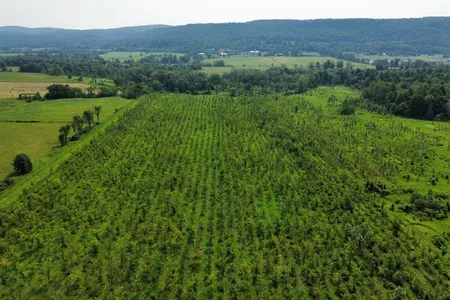
Researchers are testing 5,000 elms in Benson, Vermont, near the New York border, and 700 in Lemington, about eight miles south of Canada, deliberately infecting trees that range in age from six to 12 years old to identify the most disease-resistant survivors.

Dutch Elm Disease Virtually Wiped Out America’s Most Iconic Tree. Now, Scientists Are Engineering a Comeback for the Beloved Species

Researchers are working to restore the American elm to the natural landscape—and eventually your front yard
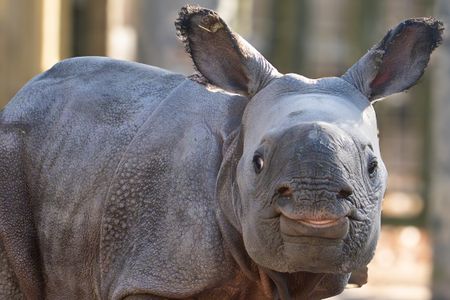
A greater one-horned rhino was born in October at Chester Zoo.

See the Rare Baby Rhinoceros Born at England’s Chester Zoo, an Adorable Boost for Its Vulnerable Species

The calf, born October 11, is in good health and exploring a secluded paddock with its mother, out of view of the public
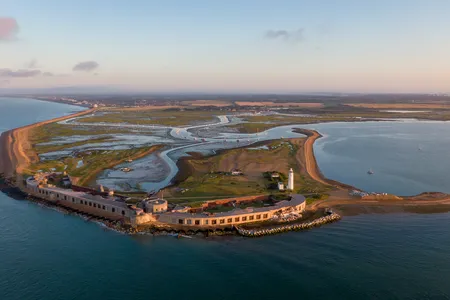
On February, 26 2021, the wall of Hurst Castle's eastern wing partially collapsed during a severe winter storm. Preservationists cite the damage as a consequence of intensifying storms and sea-level rise driven by climate change.

A 16th-Century Castle in England Is Falling Into the Ocean, Sparking a Debate Over Whether It Should Be Saved or Allowed to Disintegrate With Dignity

Hurst Castle was erected to stave off threats from armies foreign and domestic, but it may be facing a fatal blow from forces of nature itself
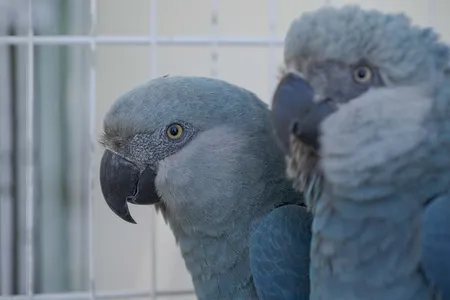
Spix’s macaws in quarantine in the Brazilian city of Petrolina after exposure to beak and feather disease virus,
or BFDV.

Brazil’s Beautiful Blue Bird Was the Star of the Animated Hit ‘Rio.’ In Real Life, Bringing the Species Back From the Brink Put It in the Middle of a Huge Drama

The Spix’s macaw disappeared from South American skies more than 30 years ago. An effort to resurrect the singular species collapsed in controversy and confusion
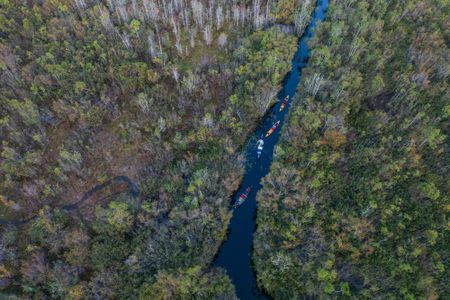
“It’s a national treasure,” says Sara Brown Aicher, a retired U.S. Fish & Wildlife Service biologist who spent 31 years at the refuge. “It is one of the last places like it.”

America’s Newest UNESCO World Heritage Site Is a Swamp—and That’s Exactly Why You Should Go

Georgia’s Okefenokee National Wildlife Refuge is one of the world’s rarest surviving wetland ecosystems. Its new global recognition reveals why protecting this landscape matters far beyond the American South
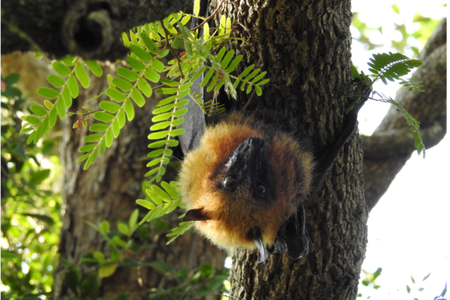
A flying fox in Madagascar

Madagascar’s Giant Bats Seem to Be Shrinking. After Measuring 121 Specimens, Scientists Suggest Hunting by Humans Is to Blame

In a new study, researchers looked at museum specimens of the island’s flying foxes, spanning 150 years of history. They found a significant decline in size—right when commercial hunting ramped up
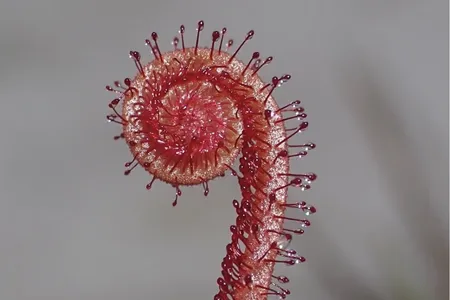
The Florida threadleaf sundew is endemic to just two counties in the state’s Panhandle, where it relies on the sandy margins of sinkhole lakes.

The World’s Newest Carnivorous Plant Is a Red Sundew That ‘Death Hugs’ Its Insect Prey. Its Survival Depends on a Rare and Disappearing Florida Habitat

Confined to hidden sinkhole lakes in the Panhandle, the Florida threadleaf sundew is both a discovery and a warning bell for a vanishing ecosystem that’s long been ignored
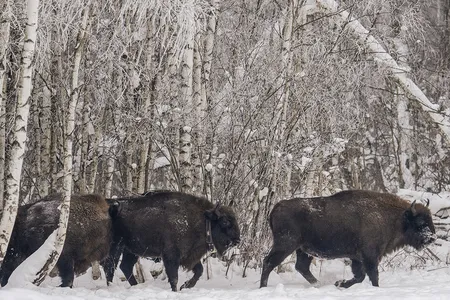
Bison gather for a recent feeding in the forest.

Bison Used to Roam Eastern Europe Before They Neared Extinction. Now Researchers in Poland Want to Create a Suitable Home Where They Can Thrive

Once nearly extinct, wisent adapted to life in the Bialowieza Forest. Human intervention kept them from disappearing, and now humans are trying to return them to their true habitat
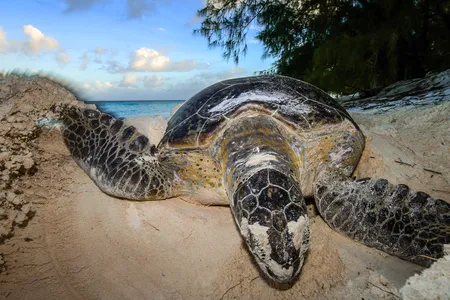
A female green turtle digs through sand to create a nest on Aldabra atoll.

Green Sea Turtles Are Making a Remarkable Comeback on the Remote Aldabra Atoll and Around the World. But Their Recovery Is Far From Complete

One year after the species was reclassified from “endangered” to “least concern,” green turtles in the western Indian Ocean exemplify that return—and the subtleties a global designation can miss
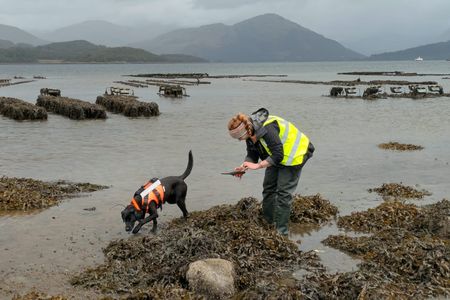
Carpet sea squirt colonies threaten fisheries and native species.

This Dog Learned to Sniff Out a Slimy Marine Invader Called ‘Sea Vomit’—a Skill That Earned Her the Animal of the Year Award

Sgiath, a 6-year-old Labrador from the Scottish Highlands, received the honor from the International Fund for Animal Welfare. She’s believed to be the first pup trained to hunt for the invasive carpet sea squirt, which is threatening marine life along the British coast and elsewhere
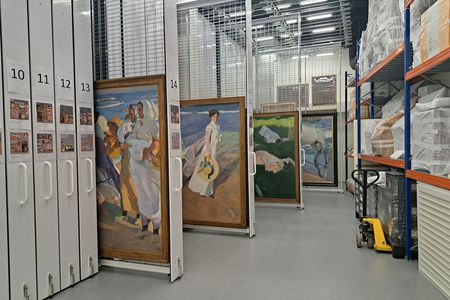
The museum's restoration includes necessary updates to conservation workshops and archive spaces.

Madrid’s Renewed and Expanded Sorolla Museum Lets the Paintings of the Spanish ‘Master of Light’ Re-emerge Into Public View

Dedicated to the works of Joaquín Sorolla y Bastida, the museum is centered around his historic home and studio. The first phase of its yearslong renovation is complete, featuring expanded exhibition spaces
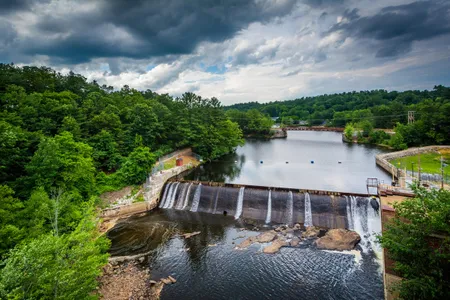
Dams block the flow of a river to hold water in a reservoir, which can be used for agriculture, recreation, household needs or industry. The flow of water through a dam can generate hydroelectric power. Aging dams are being dismantled across the country, restoring the natural flow to rivers.

Dam Removals Are Bringing Fish Back Across the Northeastern United States, Striking Down One Tiny Barrier at a Time

While the demolition of big dams in the West gets more attention, many of these often-obsolete obstructions are also coming out of northeastern streams and rivers—and herring are returning in droves
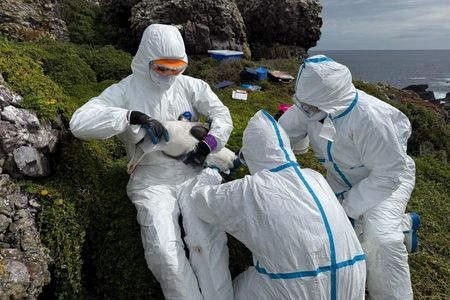
Biologists are running a pilot project with up to 100 birds on Albatross Island.

Wildlife Biologists Start Vaccinating Shy Albatrosses by Hand, Taking Aim at the Spread of Avian Flu in Tasmania

If all goes to plan, officials hope to vaccinate up to 100 of the large seabirds on Albatross Island, giving each two doses of the vaccine. Afterward, they plan to keep tabs on the birds using remote cameras and follow-up visits
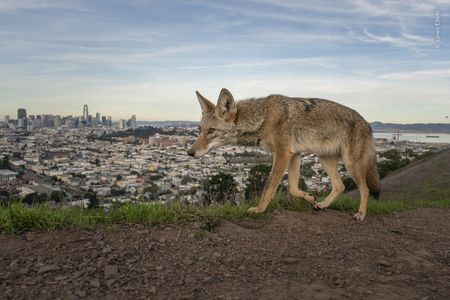
Coyotes and people coexist in San Francisco, despite an effort to eradicate the canines a century ago. This image and its portfolio won the Photojournalist Story Award.

See the Stunning Winners of the Wildlife Photographer of the Year Contest, Capturing the Splendor and Drama of Nature

These 19 recognized images highlight the diversity across our planet and the value in appreciating and protecting the natural world

The tettina was found broken into pieces in 2011.

Cool Finds

Mourners Placed an Ancient Sippy Cup in a Roman Toddler’s Grave. It May Have Been Meant to Sustain the Child on the Journey to the Afterlife

Fragments of the spouted cup, known as a “tettina,” were unearthed in England over a decade ago. It has recently been restored and put on display for the first time
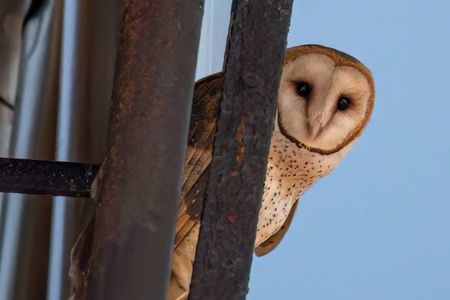
The nocturnal barn owls have drawn crowds of birders at night.

A Family of Barn Owls Has Moved Into New York City’s Upper West Side, Perhaps the First to Nest in Manhattan in Modern History

The feathered residents have attracted lots of attention, as their species is considered an extremely rare sight in the city
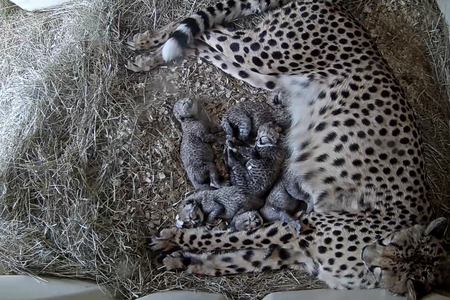
A screenshot from the live online cheetah cam feed on October 9 shows the mother, Zura, with her five cubs.

Watch Five Adorable Newborn Cheetah Cubs Grow on a Livestream From the Smithsonian’s Conservation Biology Institute

The healthy and active babies are being cared for by first-time mother Zura, and the public can keep up with their antics through an online cheetah cub cam
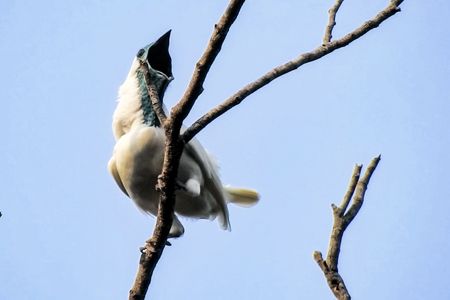
The bare-throated bellbird is among the world’s loudest birds.

These South American Birds Can Match a Jackhammer’s Ear-Splitting Volume, Making Them Some of the World’s Loudest Known Avians

The bare-throated bellbird and the red-legged seriema can produce sounds at amplitudes that exceed 120 decibels, which puts them on par with a trumpeting elephant or a chainsaw
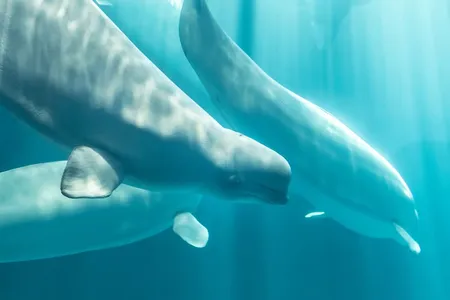
Osiris is one of three beluga whales that died at the Shedd Aquarium in Chicago. The other died at Oceanografic Valencia in Spain.

Four Beluga Whales Died Weeks After Being Rescued From a Defunct Marine Park in Canada. Were the Animals Too Sick to Be Moved?

They were among 30 whales transferred from the facility over the summer. It had faced multiple allegations of animal neglect and cruelty before closing in 2024
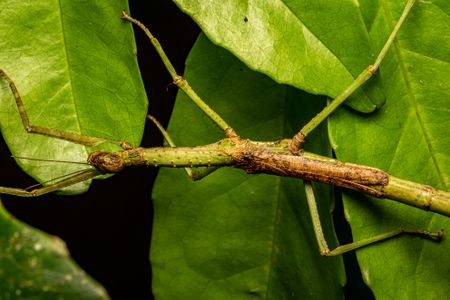
A newly identified stick insect species, Anchiale mabiensis, can be found in the Mabi Forest of Australia.

Two New Stick Insect Species Have Been Discovered in Australia—and Another One Was Hiding in Plain Sight

The new discoveries emphasize that scientists have a lot left to learn about insect diversity, even in areas with many observations

Page 1 of 75