
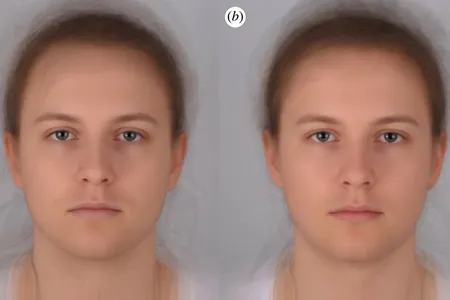
Could AI One Day Detect the Flu…Before You Even Feel Sick?
New research into the subtle facial signs of illness could one day help train artificial intelligence systems to scan for infections
This Is the Largest Known Prime Number Yet
The newly discovered prime is 23 million digits long

Big Data Traces the World’s Most Distinctive Musical Traditions
An analysis of 8,200 recordings from 137 nations shows nations in sub-Saharan Africa have the most unique rhythms and melodies
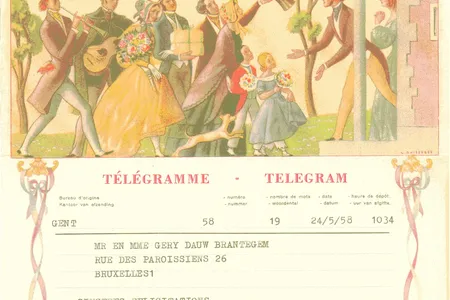
Belgium Ends Telegram Service After 171 Years
The end of Belgian telegrams isn’t the end of the service across the world, but it’s getting close

You may never get lost in a mall again with these new technologies, designed to help you navigate inside places traditional GPS-based mapping apps can’t
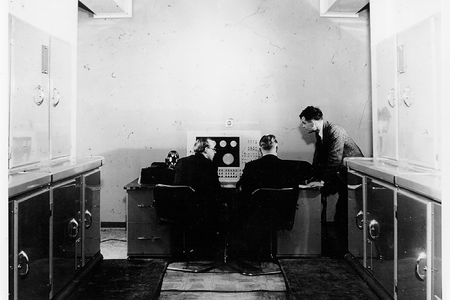
Listen to Alan Turing’s First Computer-Generated Christmas Carols
In 1951, the BBC played two carols from Turing’s computer, which have now been recreated by New Zealand researchers

This Neural Network Can (Maybe) Start a Novel Better Than You
As the end of NaNoWriMo draws near, take a look at one researcher’s effort to help find that perfect first line
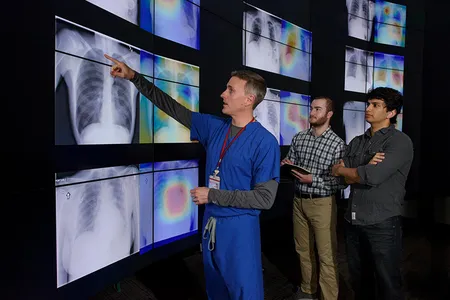
Can an Algorithm Diagnose Pneumonia?
Stanford researchers claim they can detect the lung infection more accurately than an experienced radiologist. Some radiologists aren’t so sure.
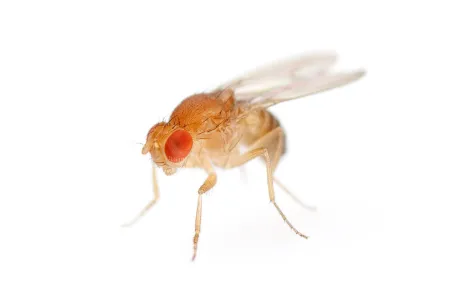
How Fruit Fly Brains Could Improve Our Search Engines
Fruit flies have a unique way of matching data, which could teach scientists to create better, faster search algorithms
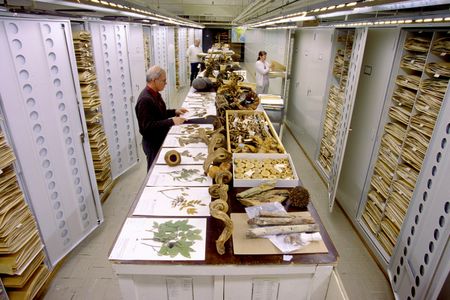
How Artificial Intelligence Could Revolutionize Archival Museum Research
A new study shows off a computer program’s specimen-sorting prowess
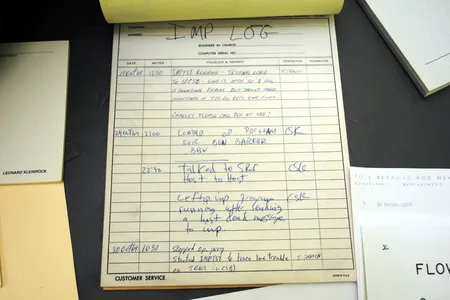
These Two Small Letters Heralded the Beginning of Online Communication
Their message is far more profound in retrospect than it was at the time
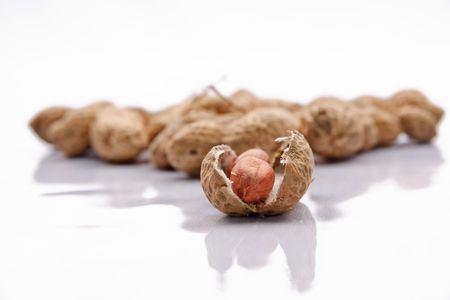
Could Video Gamers Make Our Food Supply Safer?
An effort to combat poisonous molds that contaminate crops is looking to tap the puzzle-solving skills of amateur gamers
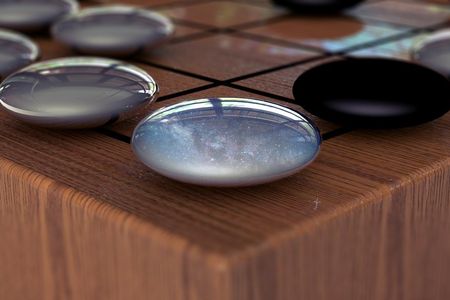
Latest AI Teaches Itself to Play Go With No Human Help
DeepMind’s AlphaGo Zero taught itself how to play Go, becoming the greatest player in history in just 40 days
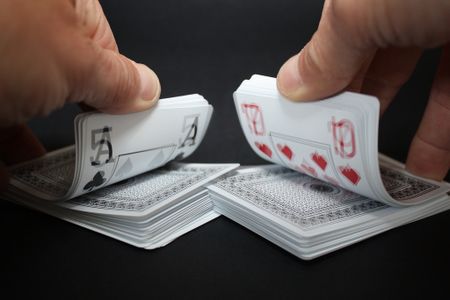
How Artificial Intelligence Is Improving Magic Tricks
Computer scientists have designed a trick that uses an algorithm to search the internet for the words most associated with images
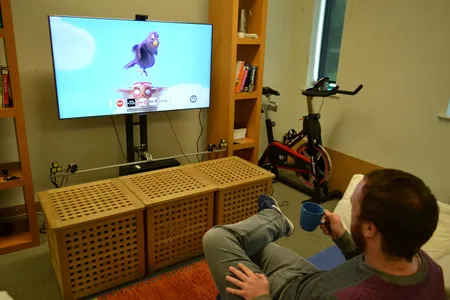
Use Your Hand (or Your Coffee Cup, or Your Cat) as a Remote Control
A new gesture recognition technology could allow users to turn almost any item into a remote for controlling televisions, tablets and more
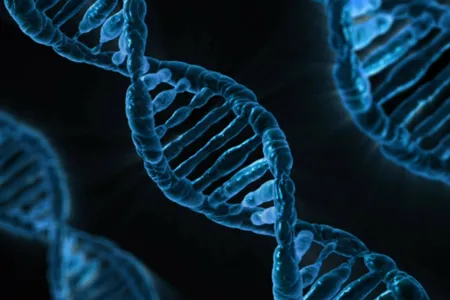
In a First, Archival-Quality Performances Are Preserved in DNA
Songs by Miles Davis and Deep Purple at the Montreux Jazz Festival will live on in the ultra-compact, long-lasting format
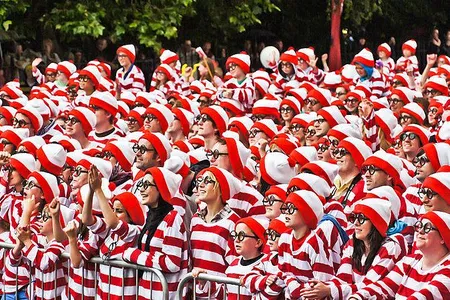
The Science Behind Our Search for Waldo
‘Where’s Waldo’ was first published on this day in 1987
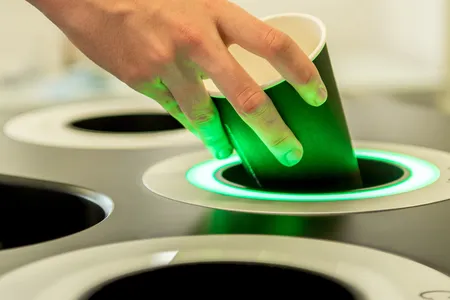
A Smart Recycling Bin Could Sort Your Waste for You
It’s sometimes difficult to know where to put different types of plastic, but computer vision could remove any confusion
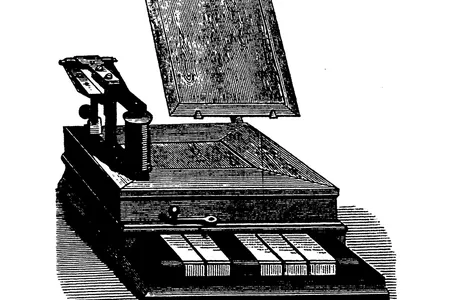
The Roots of Computer Code Lie in Telegraph Code
Émile Baudot, born a year after the first long-distance telegraph message was sent, helped advance the technology
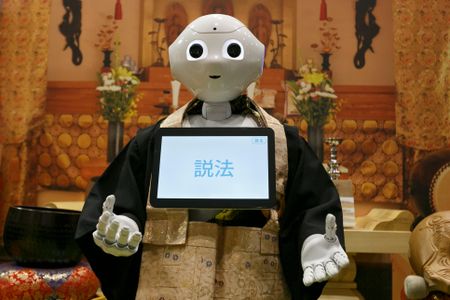
Nine Tasks Robots Can Do That May Surprise You
Machines can cook your dinner, fill your prescriptions, make your shoes and much, much more
Page 7 of 13