
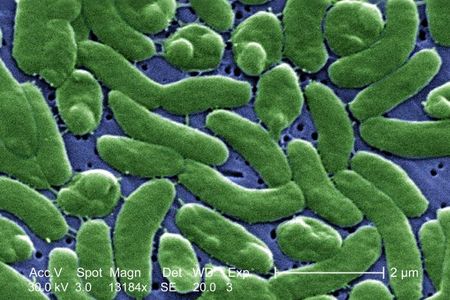
These Flesh-Eating Bacteria Are Thriving Because of Climate Change
New research finds that infections caused by Vibrio vulnificus have increased over the last 30 years and expanded to new geographic areas
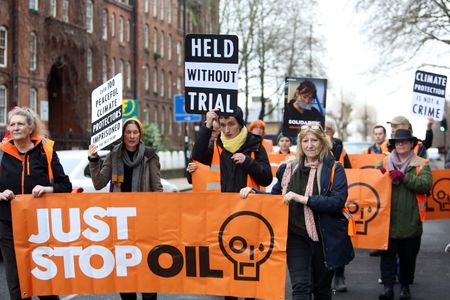
In Landmark Pledge, British Lawyers Say They Won’t Act in the Interest of Fossil Fuels
The litigators refuse to represent new coal, oil and gas developments or prosecute peaceful climate protesters
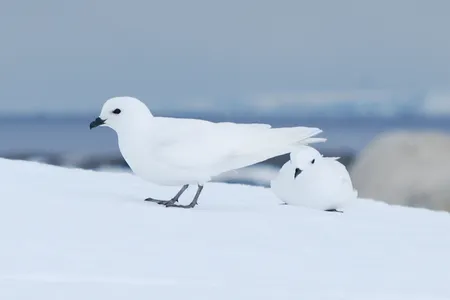
Strong Snowstorms Prevented Tens of Thousands of Antarctic Seabirds From Breeding
With their nesting sites buried under a blanket of snow, some petrels and skuas made no attempts at reproducing in December 2021 and January 2022
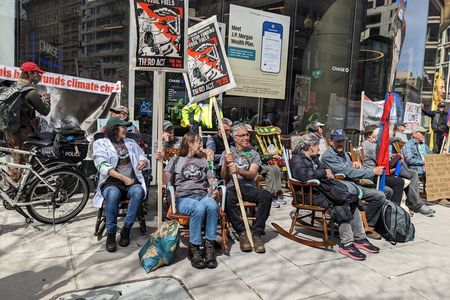
‘Rocking Chair Rebellion’ of Senior Citizens Joins Climate Protest
Thousands of retirees in 90 locations across the U.S. protested banks that finance new fossil fuel infrastructure
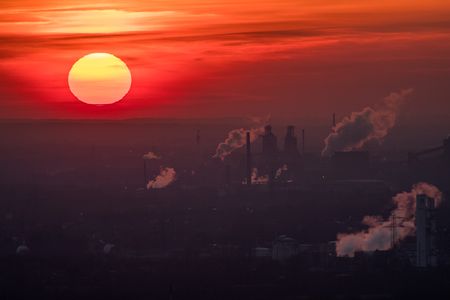
U.N. Climate Change Report Calls for Urgent Action
Countries must strive for more ambitious emissions goals over the next decade, scientists say
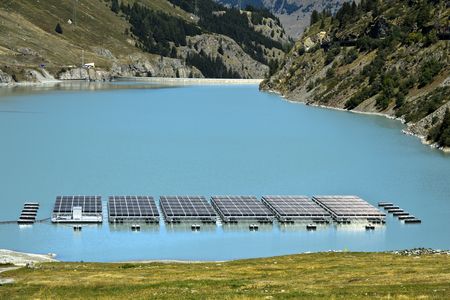
Are Floating Solar Panels the Future of Clean Energy Production?
“Floatovoltaics” could drastically raise power generation and conserve water in reservoirs, according to a new study

Drug-Resistant Fungal Infections Are on the Rise in the U.S.
A yeast called Candida auris has sickened more people over a wider area during the pandemic
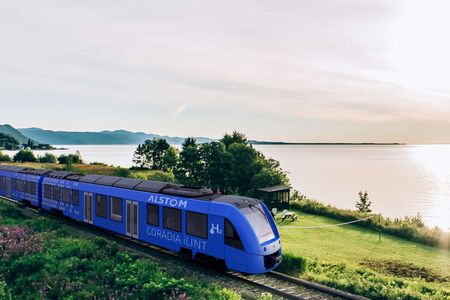
North America’s First Hydrogen-Powered Train Will Debut This Summer
While traveling a 90-minute route, the Train de Charlevoix will emit only water vapor
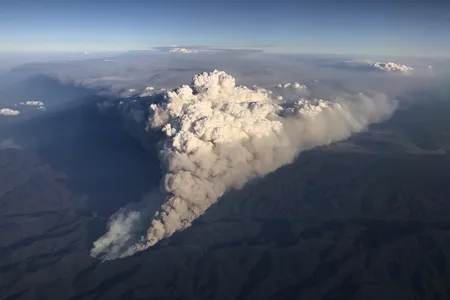
Here’s How Wildfires Can Destroy the Ozone Layer
Massive blazes like the ones in Australia three years ago deplete the crucial blanket surrounding our planet through chemical reactions in the atmosphere
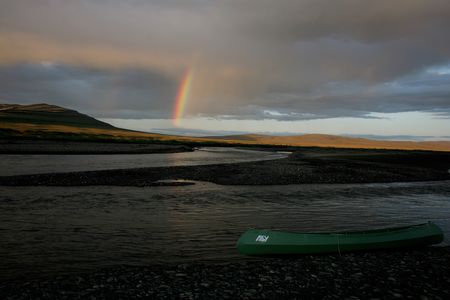
Massive Arctic Oil Drilling Project Gets the Green Light
The Biden administration approved a controversial proposal for drilling in Alaska, which could produce massive amounts of carbon emissions each year
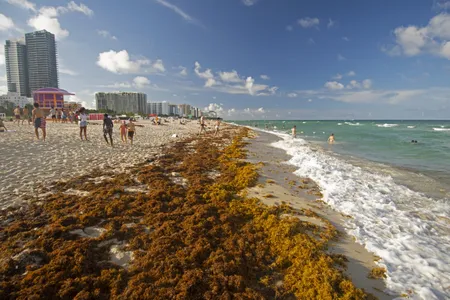
A 5,000-Mile-Wide Mass of Seaweed Is Heading for Florida and Mexico
Known as sargassum, the algae can hurt tourism as it piles up on beaches and starts to rot
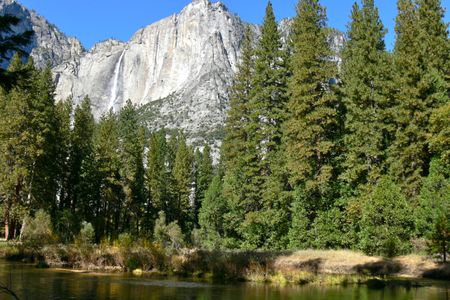
California’s ‘Zombie Forests’ Are Cheating Death—but Maybe Not for Long
A fifth of conifer forests in the state’s Sierra Nevada mountains are stranded in unsuitably warm conditions

David Chipperfield Wins Pritzker Prize, the Highest Honor in Architecture
The civic-minded architect is respectful of the past as he pushes his field forward

Historic Treaty Protects Marine Life in the ‘High Seas’
The United Nations agreement will help conserve 30 percent of the planet’s oceans by 2030
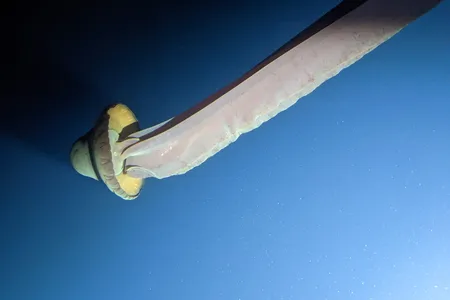
How Vacationers on Antarctic Cruises Are Filling in Scientific Gaps
From ships and submarines, citizen scientists can access remote areas ripe for new discoveries. But does the research make up for the climate impact?
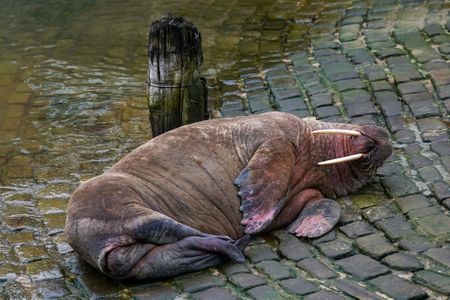
The Unusual European Journey of Thor the Walrus
It’s rare to see one of these massive marine mammals in Western Europe, but Thor spent several months delighting crowds in multiple countries
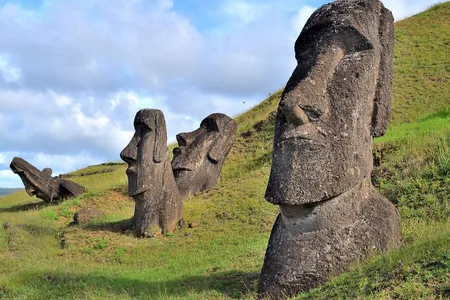
Dried Lake Reveals New Statue on Easter Island
The stone monolith is one of the famous moai sculptures scattered across the landscape
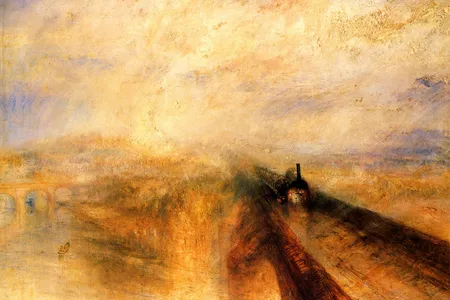
Did Air Pollution Influence Famous Impressionist Painters?
Artists like Turner and Monet painted the smog they saw in London and Paris, a new study says
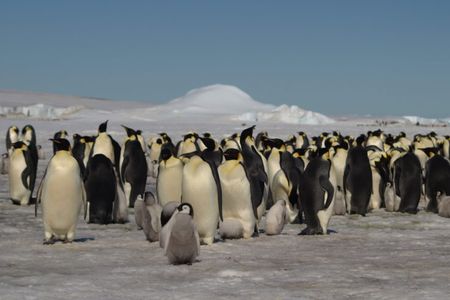
Scientists Discover an Emperor Penguin Colony From Poop Stains in Satellite Images
Researchers pinpointed the group of roughly 500 birds in West Antarctica
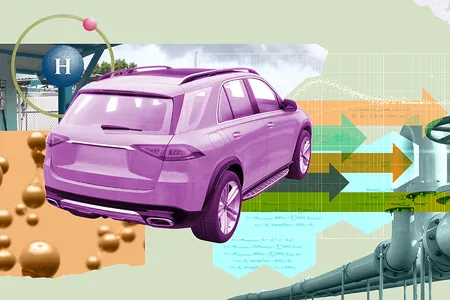
Can Green Hydrogen Help Power Latin America?
In anticipation of future demand, several projects are underway in the region to produce this clean energy source
Page 24 of 100