
Subscribe to Smithsonian magazine and get a FREE tote.

Bacteria

ARTIS-Micropia microbiologist Eline van Bloois (left) and a Rijksmuseum conservator take samples from The Night Watch.

Cool Finds

Rembrandt’s ‘Night Watch’ Is Teeming With Life. Researchers Reveal a Hidden World of Microbes All Over the Masterpiece

Samples swabbed from the 17th-century painting reveal myriad microorganisms, including one perplexing bacterium that was first discovered at a Japanese sugar refinery in 2013
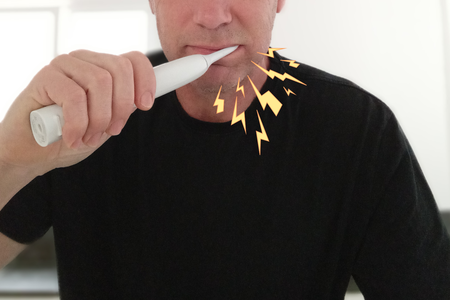
Researchers designed an innovative toothbrush that generates electricity. 

This Self-Charging Toothbrush Has Bristles That Generate Electricity to Help Kill Bacteria That Cause Cavities and Gum Disease

In a short clinical trial, participants who used the experimental toothbrush reported less plaque, gum inflammation and bleeding than those who used traditional nylon-bristled brushes. However, more research is required to assess the tool’s safety and efficacy
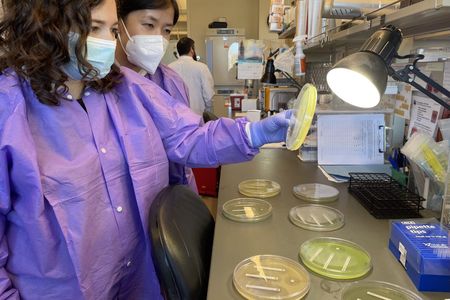
Four pathogens are considered urgent threats.  

Drug-Resistant Germs Now Kill More Than 50,000 Americans Each Year, According to a New CDC Report

The Centers for Disease Control and Prevention has identified 19 “superbugs” that currently pose a threat to human health in the United States, plus another six that are being monitored as potential threats
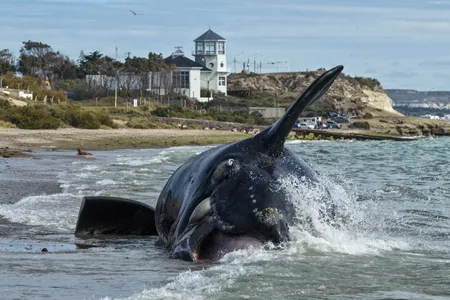
Southern right whales—babies, juveniles and adults—have been washing up dead in unusually high numbers in Argentina's Chubut province this year.

Hundreds of Baby Whales Have Died in Argentina This Year—and Scientists Are Scrambling to Understand Why

Their leading hypothesis is that the young cetaceans are dying from a bacterial infection, but experts are still trying to figure out why this year’s mortality rates are so high. Adults have also been washing up dead, possibly because of a toxic algal bloom
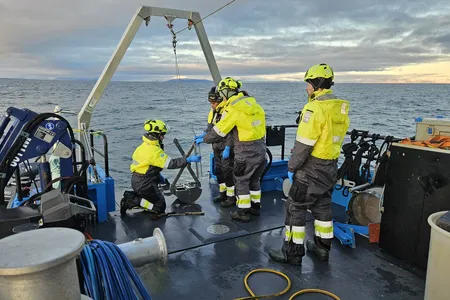
After finding cold seeps on the seafloor of the Arctic Ocean, scientists collected samples of the sediment, which sometimes rested more than 1,000 feet below the surface.

The Race for Hydrogen Fuel Has Taken These Scientists to the Arctic Seafloor. But Can They Unlock Its Secrets Before It’s Too Late?

On challenging expeditions, researchers have collected deep-sea bacteria that naturally produce hydrogen, exploring and documenting an ancient ecosystem that may soon be altered forever
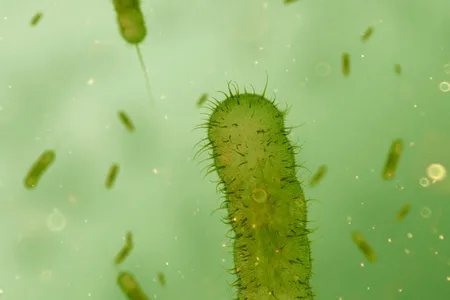
A digital illustration of typical prokaryotes—cells that do not contain a nucleus. Bacteria and archaea are the two kinds of prokaryotes on Earth, and their ancestors were the first organisms to evolve.

A New Study Points to Two Origins of Life on Earth by Tracing Early Chemical Reactions in Single-Celled Organisms

The work challenges the assumption that all life descended from one free-living cell. Instead, it suggests that two microbial lineages, the bacteria and archaea, evolved independently from a primordial, nonliving ancestor

Slow-healing wounds, especially in diabetics and burn victims, can become infected with antibiotic-resistant bacteria. Light-activated nanomaterials offer a potential new way to clear the infection and accelerate wound healing.

Scientists Are Using Nanomaterials to Heal Stubborn Wounds That Resist Antibiotic Treatment

Light-activated therapies may offer a solution to slow-healing lesions common in diabetics and burn victims

Scientists carried out their experiments in the bacterium Escherichia coli. Cells of the species are artificially colored blue in this microscope image.

Scientists Used A.I. to Redesign a Microbe’s Machinery to Function Without a Key Ingredient of Life

Although the researchers did not create an entire cell that could function without a crucial building block, the findings represent a big step in synthetic biology and provide a glimpse at how Earth’s earliest organisms may have lived

Courses of the antibiotic clindamycin taken within a year before stool sampling were associated with the largest changes in gut microbiomes.

Some Antibiotic Drugs Can Alter Your Gut Microbiome for Up to Eight Years, New Research Suggests

Just a single course of treatment can leave a lasting impression, according to a study of nearly 15,000 people in Sweden

Swimmable Cities is a global alliance of local government officials, experts and advocates working to make urban waterways clean enough to swim in.

Would You Jump Into Your Local River? Swimmable Cities May Be Within Reach as Once-Polluted Waterways Are Restored

Efforts to improve the “swimmability” of urban areas are gaining global traction, from Paris to Chicago

For their scale, these microbes are faster and more resilient than any human athlete.

If Microbes Entered the Olympics, These One-Celled Superstars Would Win Gold

They race, they spin, they shoot. Meet the organisms for which physical prowess is more than sport—it’s a matter of life and death

Treponema pallidum is a spiral-shaped bacterium that currently exists in three closely related forms, one of which causes syphilis. 

Anthropologists Recover DNA of Syphilis-Causing Bacterium Relative From 5,500-Year-Old Human Remains, the Earliest Ever Found

The findings represent the oldest complete set of genetic information from this bacterial group and shed light on its evolutionary history

Juvenile sunflower sea stars at the Sunflower Star Laboratory in Moss Landing, California. At this phase, each is less than an inch wide, but they can grow to be more than three feet across as adults.

A Deadly Pathogen Decimated Sunflower Sea Stars. Look Inside the Lab Working to Bring Them Back by Freezing and Thawing Their Larvae

For the first time, scientists have cryopreserved and revived the larvae of a sea star species. The breakthrough, made with the giant pink star, gives hope the technique could be repeated to save the imperiled predator

First-place winner: rice weevil (Sitophilus oryzae) on a grain of rice

These Beautiful Microscope Photos Capture Tiny Pests, Spores, Sensory Neurons and Sunflower Hairs

Nikon has announced the winners of its 51st annual photomicrography competition

Smoke from wildfires can cause off-putting, ashy flavors in wine.

Wildfires Are Ruining Your Favorite Wines. These Bacteria Might Be Able to Help

Microbes already growing on grape plants may help neutralize one of the compounds responsible for wildfire-exposed grapes’ off-putting flavors, new research suggests

Scientists are considering what limits to potentially place on mirror-image cell research.

Scientists Weigh the Risks of ‘Mirror Life,’ Synthetic Molecules With a Reverse Version of Life’s Building Blocks

Though mirror biology might lead to improved drugs and other innovations, scientists have warned against potentially devastating consequences of this research

Researchers studied genetic samples from 483 mammoths, including from their tusks, bones, skin and molars (shown here).

Scientists Investigate the Bacteria That Colonized Extinct Mammoths—and Uncover the Oldest Known Microbial DNA From a Host

Some of the microbes might have been benign or helpful, while others could have caused deadly diseases

An illustration of E. coli. Scientists have been racing to shrink the genetic code of this bacterium.

Scientists Rewrite the Genetic Code of E. Coli, and It’s Drastically Different From Anything Found in Nature

The synthetic bacteria contain a shorter genetic code with 57 codons rather than 64, freeing up space for further edits that might lead to new drugs or virus-resistant microbes

Sea star wasting disease, seen here, makes starfish melt into goo or sludge.

Researchers Discover the Culprit Behind a Gruesome Disease That Makes Sea Stars Lose Their Limbs and Melt

A new study points a finger at a strain of the bacterium Vibrio pectenicida, which belongs to the same genus as Vibrio cholerae, known for causing cholera in humans

The view from a research aircraft that scientists use to collect data from high in Earth’s atmosphere.

Scientists Are Just Beginning to Understand How Life Makes Clouds, and Their Discoveries May Drastically Improve Climate Science

Plants, plankton and sea spray all release elements that help the atmospheric blankets form

Page 1 of 9