
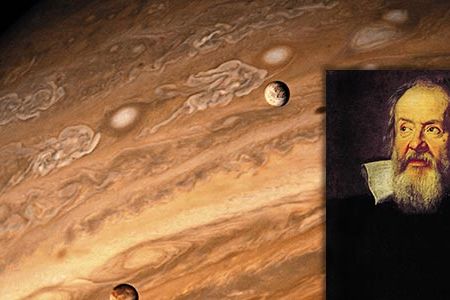
Galileo’s Revolutionary Vision Helped Usher In Modern Astronomy
The Italian scientist turned his telescope toward the stars and changed our view of the universe
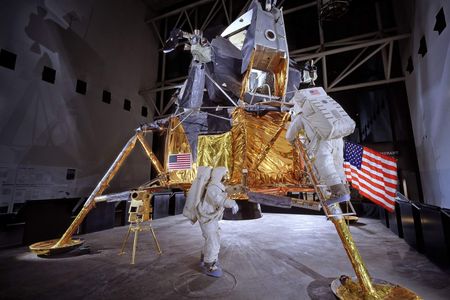
Apollo 11’s Giant Leap for Mankind
When the lunar module landed on the moon, it provided an unforgettable moment for the millions watching back on Earth
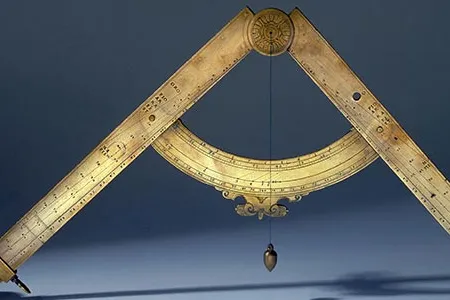
Galileo’s Instruments of Discovery
With these various instruments, Galileo Galilei was able to look into space and change our view of the universe.
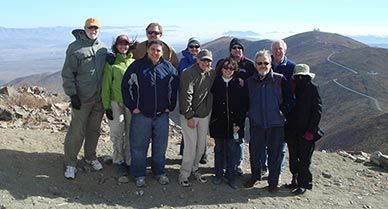
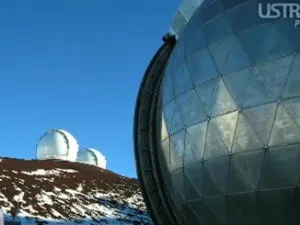
Day 4: Peak Conditions for a New Telescope
Secretary Clough scopes out the site for the Giant Magellan Telescope and bids goodbye to Las Campanas
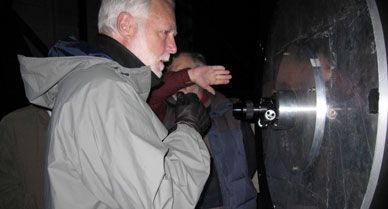
Day 3: The Excitement of Astronomy
A daytime tour of the Magellan facility and its surrounding hillside is topped off by a perfect evening of stargazing

Day 2: Stargazing in the Andes Mountains
Up high among wild burros and llamas, a Smithsonian astronomer observes and studies the millions of stars in the sky
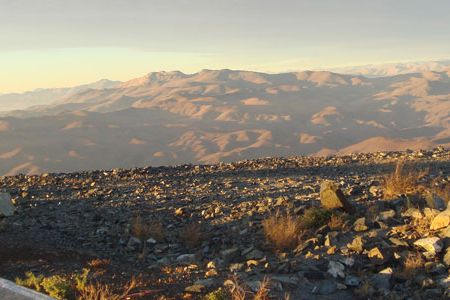
Smithsonian Secretary G. Wayne Clough explores Santiago before heading to the Las Campanas Observatory in the Chilean Andes
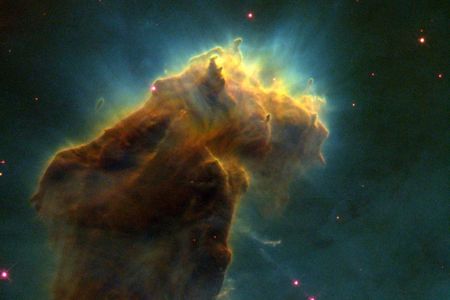
The Hubble Space Telescope’s Finest Photos
Now that the telescope has received its final upgrades, we look back on Hubble’s most memorable images from space
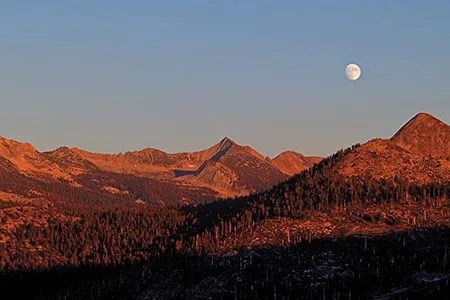
Forensic Astronomer Solves Fine Arts Puzzles
Astrophysicist Don Olson breaks down the barriers between science and art by analyzing literature and paintings from the past

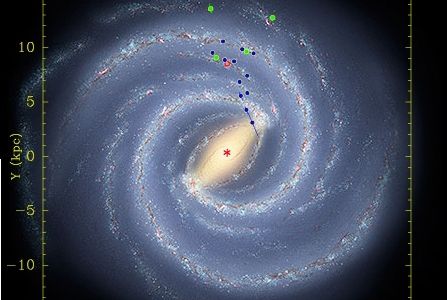
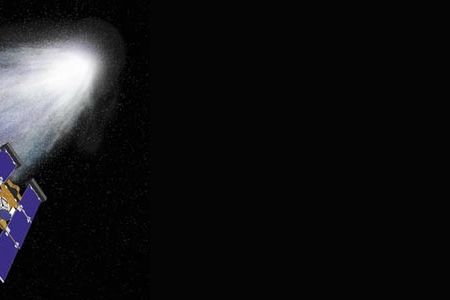
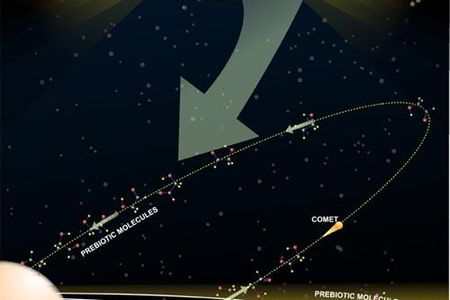
Cosmic dust may reveal some of the uncovered secrets of our universe
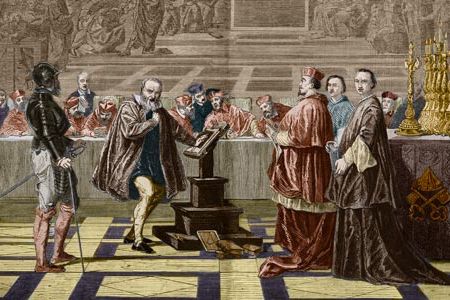
The first biography of Galileo Galilei resurfaces and offers a new theory as to why the astronomer was put on trial
Page 60 of 63