
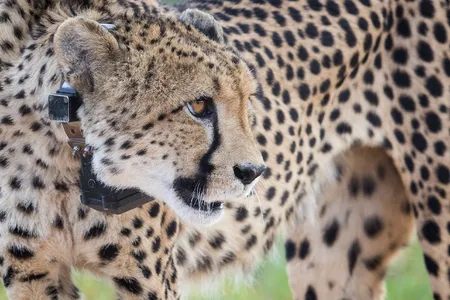
Cheetahs Arrive in India After 70 Years of Local Extinction
As part of an ambitious reintroduction plan, conservationists flew in eight of the big cats from Namibia

Beloved Sea Lion at National Zoo Dies Unexpectedly
Calli, a 17-year-old California sea lion, is remembered by zoo staff as a good mother and ambassador for her species

Nine-Year-Old Finds a Three-Foot-Long Earthworm in His Backyard
The New Zealand boy named the creature “Dead Fred”
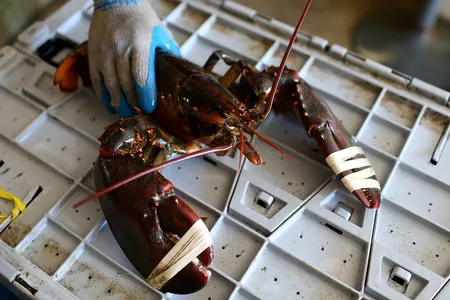
Lobsters Placed on ‘Red List,’ Angering Maine Fishing Community
Seafood Watch announced that consumers should avoid lobsters, because their traps threaten the endangered North Atlantic right whale
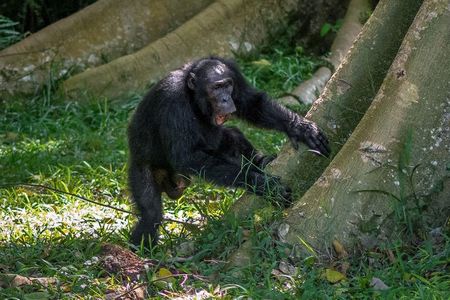
Chimpanzees Play Their Own Signature Drumbeats to Stay in Touch
New research suggests the animals broadcast their identity and location to find each other while traveling
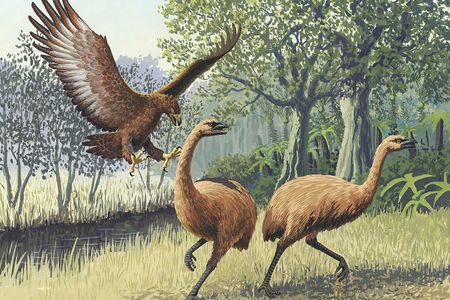
How a Giant Eagle Once Came to Dominate New Zealand
Before the formidable bird went extinct, scientists say it likely hunted the flightless moa

How Migrating Death’s-Head Hawkmoths Fly Along a Straight Path
No prior study had continuously monitored wild, nocturnal migrating insects

‘Immortal Jellyfish’ Could Spur Discoveries About Human Aging
After reaching maturity, these deep-sea creatures can revert to a juvenile stage and repeat their life cycle

How Animals Survive in a Savanna Full of Predators
Ecologists have documented a hierarchy of fear in the South African grassland, and the king of beasts is at the top
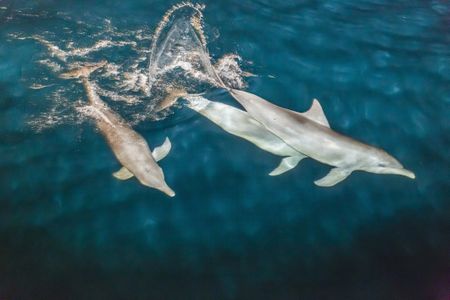
Male Dolphins Have (Lots of) Wingmen
To find a mate, male dolphins work together in complex social networks that dwarf those of any other animal, except humans, study finds
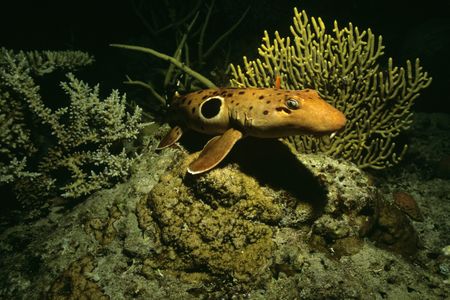
This Shark Can Walk on Land to Survive Its Extreme Habitat
Epaulette sharks could help scientists understand how animals respond to harsh conditions, including those caused by climate change
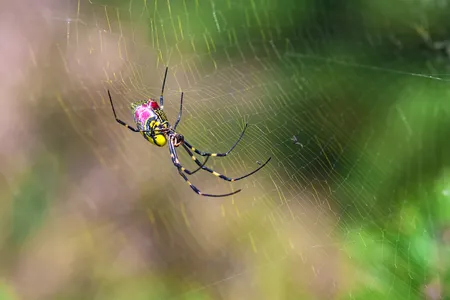
Spider Slander Runs Rampant Online
Nearly half of news stories about spider bites contain misinformation, which experts say can hurt conservation efforts
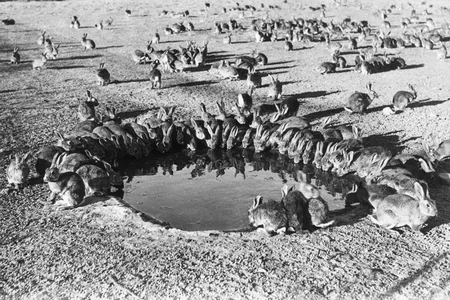
How Two Dozen Rabbits Started an Ecological Invasion in Australia
The country’s “most serious pests” can be traced to one shipment from England in 1859, study shows
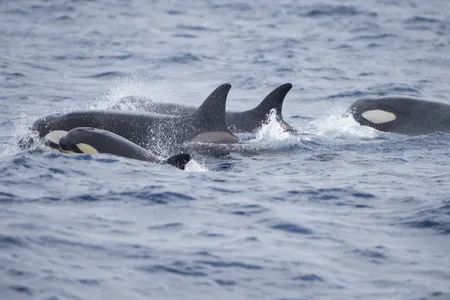
Orcas Are Breaking Rudders Off Boats in Europe
These interactions around Spain and Portugal might be a trend among juveniles, scientists say

Do Dogs Really Cry Tears of Joy When Reunited With Their Owners?
Experts are divided about a new study suggesting dogs’ tears are associated with emotion
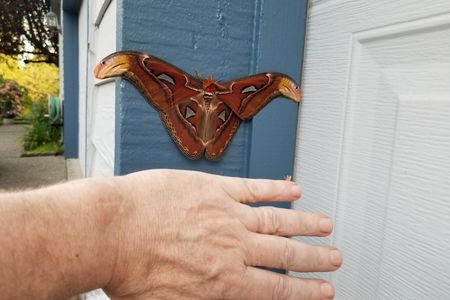
First U.S. Sighting of Massive Atlas Moth Confirmed
The insect may have escaped from an illegal cocoon-selling operation
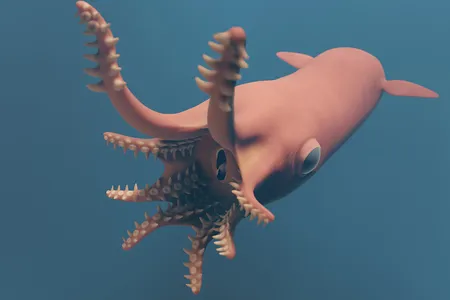
What New Tech Is Revealing About Squishy, Prehistoric Cephalopods
Researchers have adopted innovative means, from cutting-edge scans to swimming robots, to reveal more about how the creatures lived
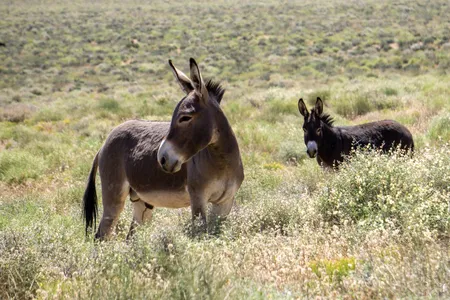
Cougars Are Killing Feral Donkeys, and That’s Good for Wetlands
Mountain lions play an important role in the Death Valley ecosystem by preying on the introduced species
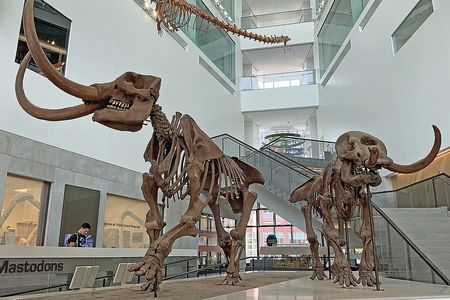
Construction Crews Stumble Upon Mastodon Skeleton in Michigan
The massive animal was likely between 10 and 20 years old when it died roughly 12,000 years ago
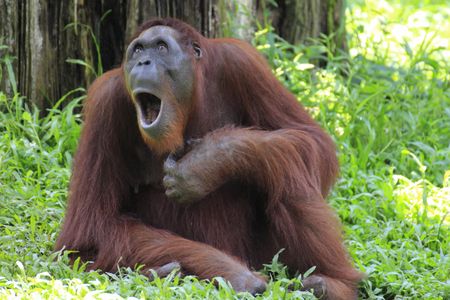
The Evolutionary Trait That May Have Led to Human Speech
“Vocal membranes” in primates make their speech grating and unpredictable, study suggests. Humans have no such thing
Page 82 of 231