
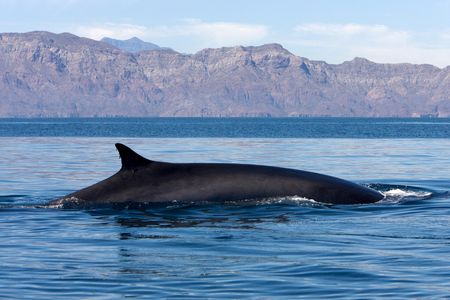
Researchers Use Whale Calls to Probe Undersea Geology
The study finds that fin whale songs are powerful enough to reverberate through the Earth’s crust, allowing scientists to study its thickness and structure
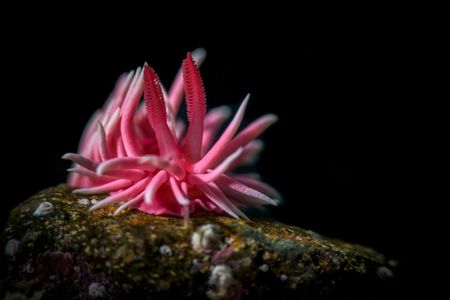
14 Fun Facts About Bright Pink Animals
From jellyfish to millipedes, the rosy hues make rare but exciting appearances in nature

What Happens When Scientists Become Allergic to Their Research
Researchers spend long periods of time around the organisms they study, and sometimes that exposure has unintended effects
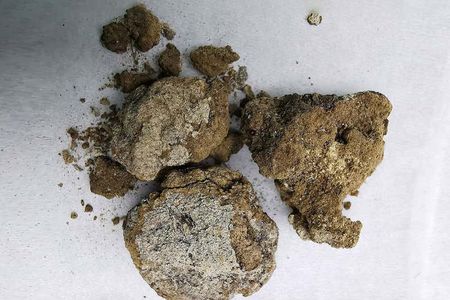
This 2,700-Year-Old Chinese Face Cream Combined Animal Fat and ‘Moonmilk’
Researchers found the ancient moisturizer in a nobleman’s tomb
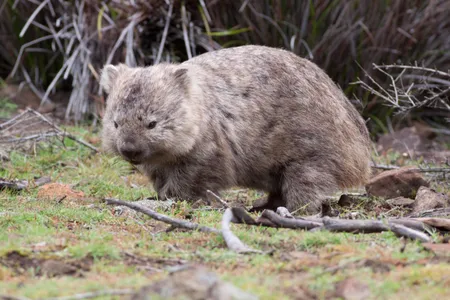
Wombats Poop Cubes, and Scientists Finally Got to the Bottom of It
The marsupial’s unique digestive tract forms square dung
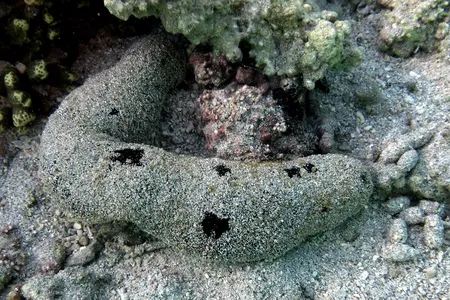
Sea Cucumber Poop Could Revitalize Coral Reefs
In one reef, three million sea cucumbers released 64,000 metric tons of nutrient-packed poo back into the ecosystem
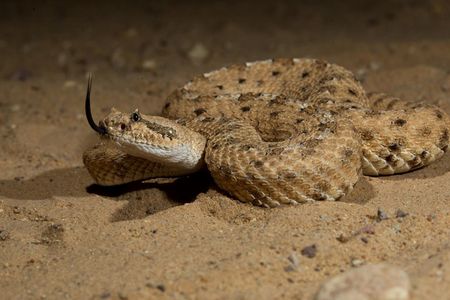
Snakeskin Reveals Secrets Behind a Sidewinder’s Twisted Wiggle
Serpent bellies seem smooth, but on a microscopic level, their species-specific scale structures may show how they adapted to their environments
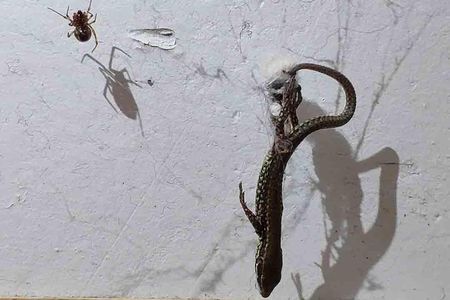
Small Spiders With Big Appetites Use a Pulley System to Catch Large Prey
New research and videos show how spiders in the Theridiidae family hoist up prey 50 times their size
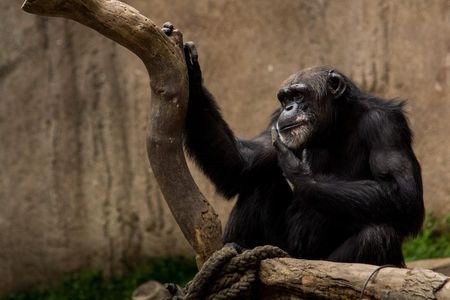
The Mysterious Cause of a Deadly Illness in Sanctuary Chimps Revealed
Researchers identified the 100 percent fatal pathogen as epizootic neurologic and gastroenteric syndrome or ENGS
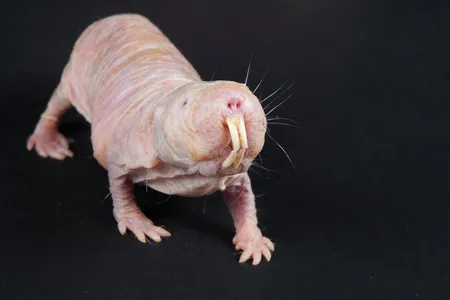
Naked Mole Rats Speak in Dialects Unique to Their Colonies
The accent is influenced by each group’s queen but can vary if the monarch is overthrown
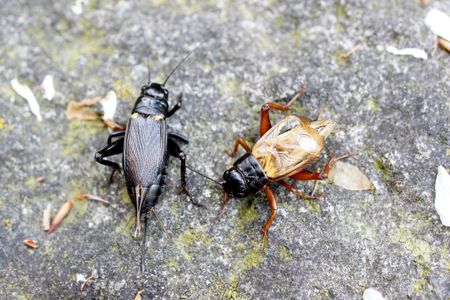
Noise Pollution Interrupts Crickets’ Sex Lives
Anthropogenic noise is affecting the female cricket’s ability to hear the male’s courting song
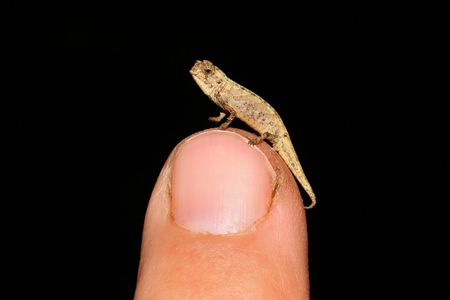
Chameleon Discovered in Madagascar May Be World’s Smallest Reptile
The male of the newly described species measured just half an inch long from his nose to the base of his tail
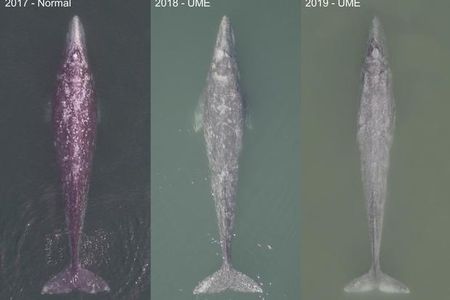
Nearly 400 Gray Whales Have Died Off the West Coast Since 2019
Scientists say the die-off, which is entering its third year, is likely due to a scarcity of food in the animals’ cold water feeding grounds
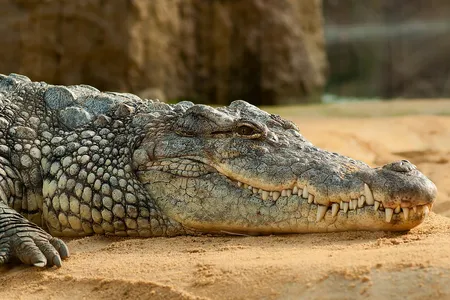
Are Crocodiles Flawless? The Reptiles Haven’t Changed in 200 Million Years
For crocs, slow and steady wins the evolutionary race
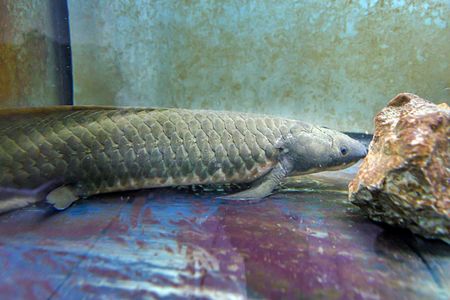
Australian Lungfish Has Biggest Genome Ever Sequenced
The air-breathing fish dethrones the Mexican axolotl for the title of largest known genome in the animal kingdom
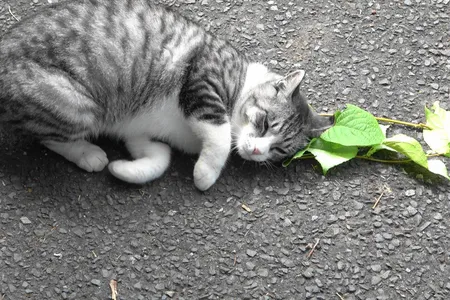
Felines May Use Catnip for More Than Just Euphoria
The plant may keep pesky mosquitos away
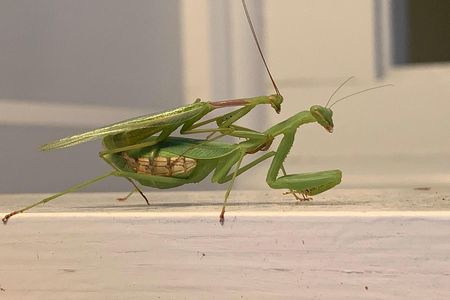
Male Mantises Wrestle to Escape Cannibalistic Females
Mating is not so romantic for these insects
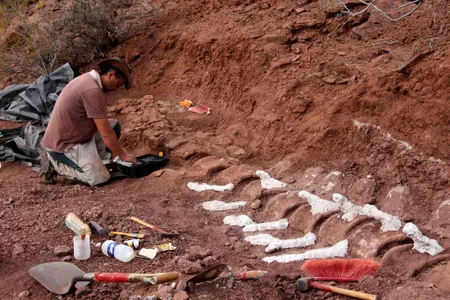
Dinosaur Unearthed in Argentina Could Be Largest Land Animal Ever
The skeleton is still far from complete but paleontologists say what they’ve found suggests the dinosaur may be more than 120 feet long

To Save the Corpse Flower, Horticulturalists Are Playing the Role of Matchmakers
Genetic diversity is needed to produce viable plants. Scientists are using animal breeding methods to conserve the titan arum
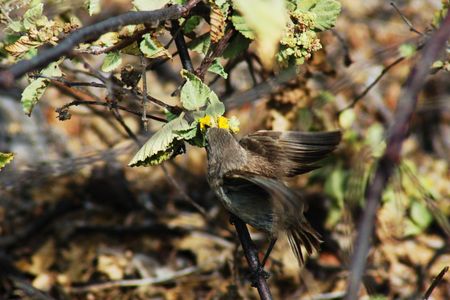
Why Some of Darwin’s Finches Evolved to Drink Blood
Scientists suggest the vampire finch evolved to drink blood to survive the volcanic archipelago’s harsh environment and scarce resources
Page 101 of 231