
Subscribe to Smithsonian magazine and get a FREE tote.

Air and Space Museum

Robert McCurdy, Untitled, Jeffrey P. Bezos, 2019, oil on canvas

Jeff Bezos Gifts Historic $200 Million to the Smithsonian

The Amazon founder’s gift—the largest since the Institution was created in 1846—will support the Air and Space Museum renovation and a new education center

The Messerschmitt Me 262 A-1a Schwalbe, meaning Swallow, held in the Smithsonian's National Air and Space Museum was captured in 1945 by a special U.S. Army Air Force team led by Col. Harold Watson. The Americans and British, who were also developing jet aircraft, used captured Swallows to enhance their own programs.

The Day Germany’s First Jet Fighter Soared Into History

Allied pilots were surprised by the aircraft’s speed and armament; but it was a case of too little too late
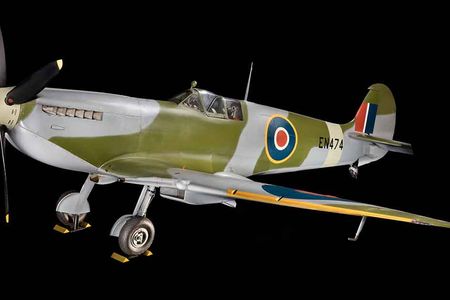
“The shape of the Spitfire's wing and all of the compound curves on the airplane made it beautiful,” says the Smithsonian's Alex Spencer, curator of British and European military aircraft at the National Air and Space Museum.

Remembering the Supermarine Spitfire, Iconic Fighter Plane of World War II

‘Spit’ pilots flew their first combat missions over Dunkirk during the Battle of France
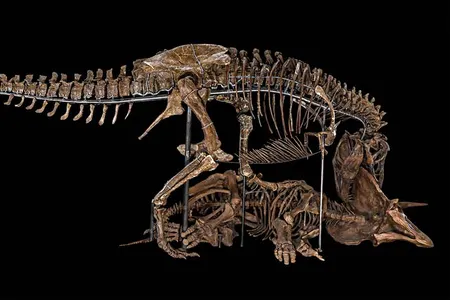
In a bloody brawl, Tyrannosaurus rex and Triceratops horridus battle to the finish in the much-loved new dinosaur hall at the National Museum of Natural History.

Smithsonian’s National Museum of Natural History Will Reopen in June

Discover tips for visiting the T-Rex, the Hope Diamond and more, when 10 Smithsonian museums reopen this summer
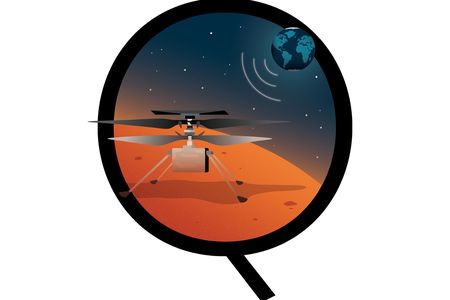

NASA's Ingenuity helicopter arrived on Mars on February 18, 2021.

Ask Smithsonian

Why Did NASA Test a Helicopter on Mars?

You’ve got question. We’ve got experts

“Despite taking place a long time ago in a galaxy far, far away, Star Wars introduced generations of fans here on Earth to outer space as a setting for adventure and exploration,” says the museum's Margaret Weitekamp.

Star Wars X-Wing Starfighter Lands at the National Air and Space Museum

Udvar-Hazy visitors can watch conservators give the film prop a careful exam before it goes on view in 2022
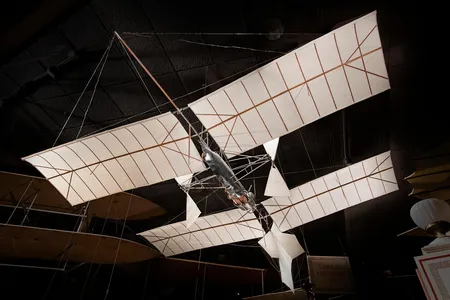
In 1891, Samuel P. Langley began experiments with large, tandem-winged models powered by small steam and gasoline engines that he called aerodromes. After several failures with designs that were too fragile and under-powered to sustain themselves, Langley had his first genuine success on May 6, 1896.

This Odd Early Flying Machine Made History but Didn’t Have the Right Stuff

Aerodrome No. 5 had to be launched by catapult on the Potomac River on May 6, 1896, but it flew unpiloted 3,300 feet

Reopening July 24, 2020, the Smithsonian's 300,000 square-foot Udvar-Hazy Center includes singular, memorable and colossal items of air and space history.

Twelve Must-Sees When the Smithsonian Reopens Udvar-Hazy Center May 5

The massive showcase facility offers plenty of space for social distance along with plenty of air and space travel history

Beginning next month, visitors will be able to meet baby panda cub Xiao Qi Ji in person.When the Zoo opens on May 21, visitors will be able to meet baby panda cub Xiao Qi Ji in person. But fair warning—he might be napping.

Smithsonian Announces the Zoo and Seven Museums Open in May

You’ll finally be able to see the baby panda in person; here’s our comprehensive list of what’s on view and tips for visiting

Some designers promote fashion lines based on kente cloth from Ghana.

When Is Kente Cloth Worn and More Questions From Our Readers

You’ve got questions. We’ve got experts
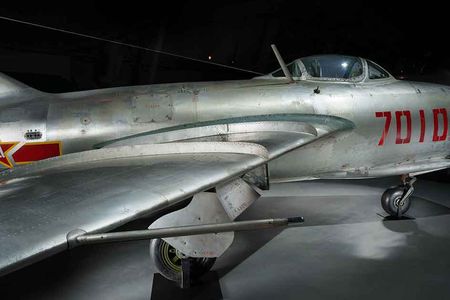
The Soviet MiG-15, a formidable aircraft, shocked the West with its ability to do hit-and-run attacks. The National Air and Space Museum displays one of these jets in the Boeing Aviation Hangar of its Udvar-Hazy Center in Chantilly, Virginia.

The Day Soviet Aircraft Attacked American Pilots

On that April ‘Black Thursday’ 70 years ago, the air war over Korea changed as the Allies scrambled to counter the superior MiG-15 jet fighter

When suburbanites want to limit the number of deer in their area, it can be easier said than done.

How Can Suburbs Control Deer Populations? And More Questions From Our Readers

You’ve got questions. We’ve got experts
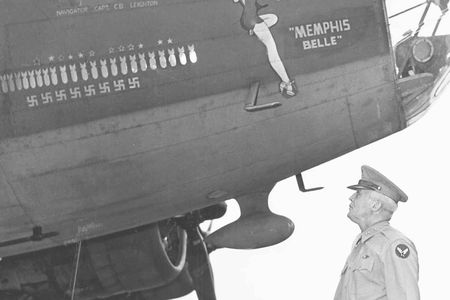
Aviation pioneer Henry “Hap” Arnold (above: with the Fly Fortress "Memphis Bell") lead the Army Air Force to victory in World War II and later establish the U.S. Air Force as the best in the world.

How Gen. Henry ‘Hap’ Arnold, the Architect of American Air Power, Overcame His Fear of Flying

Despite his phobia, the five-star general built the U.S. Air Force

Could humans be visiting Venus in the future?

Ask Smithsonian

Will We Ever Send Humans to Venus?

You’ve got questions. We’ve got experts

"We didn’t think there was a lot of wind-driven activity on Mars because the atmosphere is so thin,” says the Smithsonian's Mariah Baker. “We’ve discovered that Mars is a very active place."

Exploring Mars

Why a Smithsonian Researcher Is Tracking the Wind on Mars

When Perseverance lands, Mariah Baker will collect data that will prepare the way for crewed missions to the Red Planet
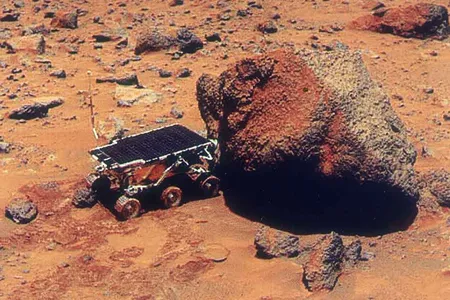
Once Pathfinder bounced to a stop, the cushioned covering deflated and Sojourner rolled out to explore the other-worldly surface like no mission before it.

Exploring Mars

Recalling the Thrill of Pathfinder’s Mission to Mars

Almost three decades ago, Americans were awed by the pitch-perfect airbag-assisted landing and the deploying of the rover Sojourner

Alan Shepard, who was both an astronaut and a golf lover, said he got the idea while training for his Apollo 14 mission. “I thought: What a neat place to whack a golf ball.”

When Astronaut Alan Shepard Hit the Golf Shot Heard ‘Round the World

“The Moon is one big sand trap,” the astronaut said after he brought the game to a new frontier
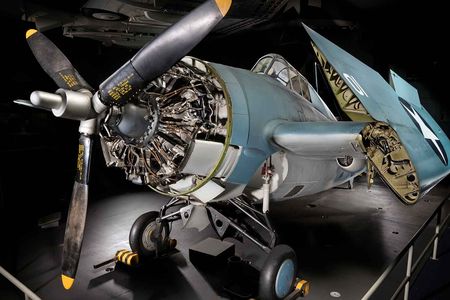
The F4F Wildcat, a carrier-based aircraft, saw service from the surprise attack at Pearl Harbor in 1941 to the Japanese surrender aboard the USS Missouri nearly four years later.

How the Rugged F4F Wildcat Held the Line During World War II

Designed by Grumman Iron Works, the tough little fighter kept America in the fight during those early dark days in the Pacific Theater

North American species like the Colorado potato beetle and the fall armyworm have become invasive elsewhere.

Ask Smithsonian

Have Any North American Species Become Invasive Elsewhere in the World?

You’ve got question. We’ve got experts
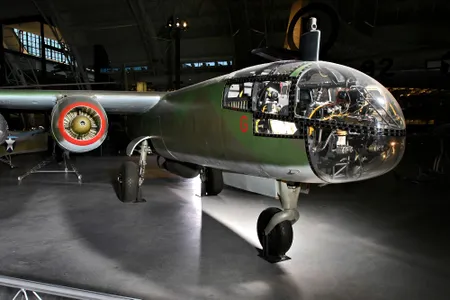
Often overshadowed by more famous jets in World War II, the Ar 234 B-2—known as the Blitz, or Lightning—had caught the Allies by surprise when the nine soared through the skies on December 24, 1944.

With Lightning Speed and Agility, Germany’s Ar 234 Blitz Jet Bomber Was a Success That Ultimately Failed

Only one is known to survive today and it is in the collections of the Smithsonian’s National Air and Space Museum

Page 7 of 15