
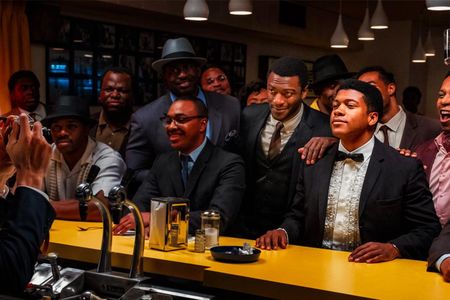
The True History Behind ‘One Night in Miami’
Regina King’s directorial debut dramatizes a 1964 meeting between Cassius Clay, Malcolm X, Sam Cooke and Jim Brown
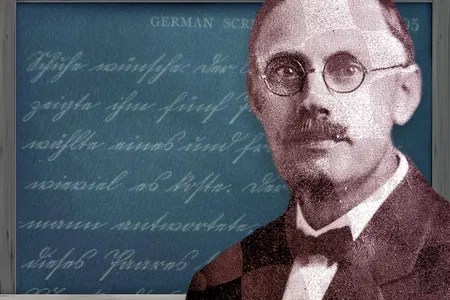
From a Small, Rural Schoolhouse, One Teacher Challenged Nativist Attacks Against Immigration
In the wake of World War I, rabid anti-German sentiment led to the arrest, later deemed unjust by the U.S. Supreme Court, of Robert Meyer
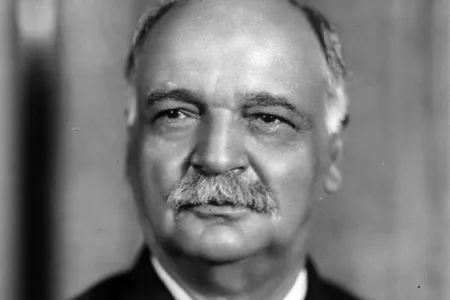
Who Was Charles Curtis, the First Vice President of Color?
A member of the Kaw Nation, Curtis served under Herbert Hoover, but he left a troubling legacy on Native American issues
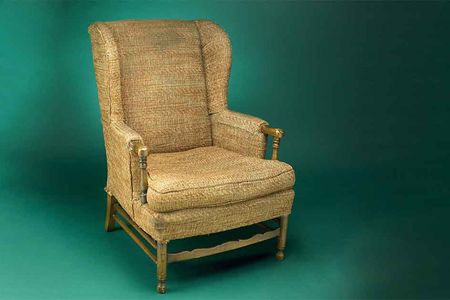
From His Tattered Chair, TV’s Archie Bunker Caricatured America’s Divides
The 1971 show aired the fraught political differences that were “All in the Family”
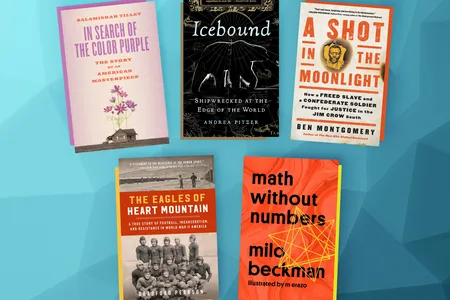
A Doomed Arctic Expedition, Number-Free Math and Other New Books to Read
These five January releases may have been lost in the news cycle
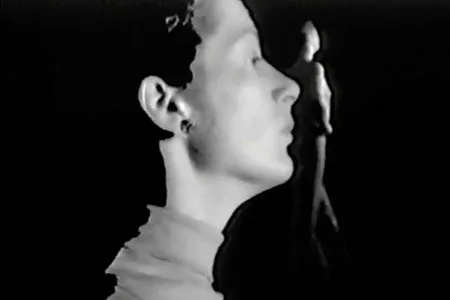
Women Artists Reflect on How They Helped Shape SoHo
A Smithsonian online event kicks off a new monthly series exploring the pioneering art films and videos made by women
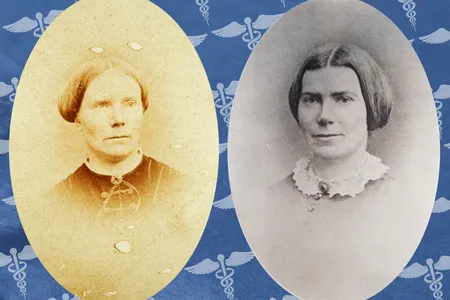
The Way Americans Remember the Blackwell Sisters Shortchanges Their Legacy
Elizabeth and Emily Blackwell deserve to have their incredible stories told in full
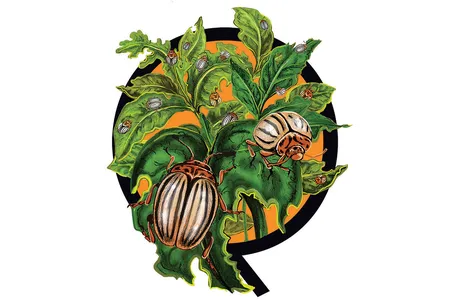
Have Any North American Species Become Invasive Elsewhere in the World?
You’ve got question. We’ve got experts

A Brief History of Peanut Butter
The bizarre sanitarium staple that became a spreadable obsession

The Lost History of Yellowstone
Debunking the myth that the great national park was a wilderness untouched by humans
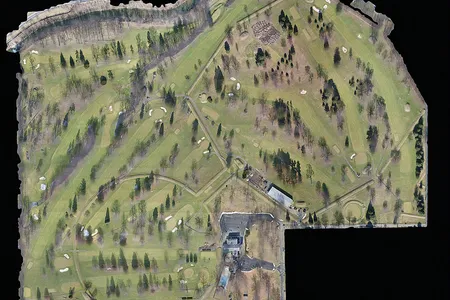
This Ohio Golf Course, Built Atop a Hopewell Earthwork, Is Now the Subject of a Lawsuit
A legal battle brews over access to some of the world’s largest human-made structures of their kind
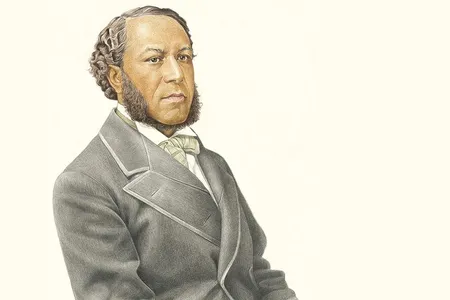
Meet Joseph Rainey, the First Black Congressman
Born enslaved, he was elected to Congress in the wake of the Civil War. But the impact of this momentous step in U.S. race relationships did not last long
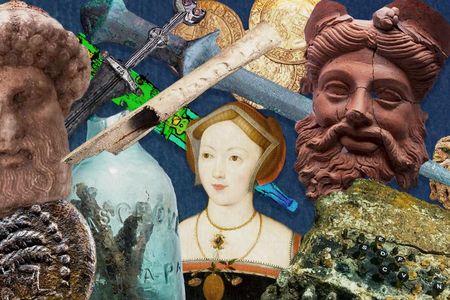
Ninety Fascinating Finds Revealed in 2020
This year’s most intriguing discoveries include an Aztec skull tower, fossilized footprints and Nazi shipwrecks
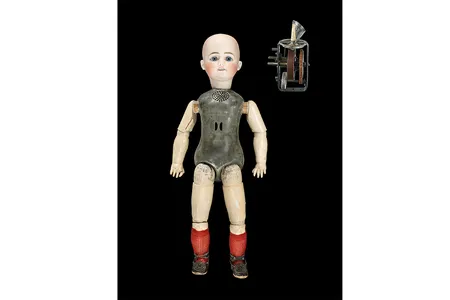
The Epic Failure of Thomas Edison’s Talking Doll
Expensive, heavy, non-functioning and a little scary looking, the doll created by America’s hero-inventor was a commercial flop

Why Just ‘Adding Context’ to Controversial Monuments May Not Change Minds
Research shows that visitors often ignore information that conflicts with what they already believe about history
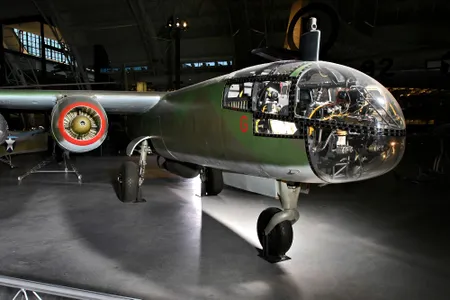
Only one is known to survive today and it is in the collections of the Smithsonian’s National Air and Space Museum
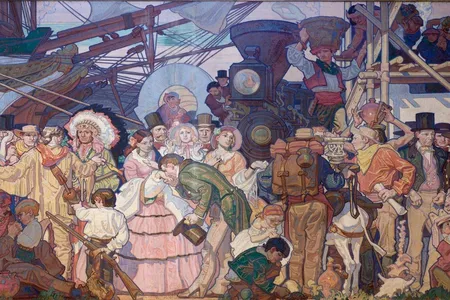
How the Belief in American Exceptionalism Has Shaped the Pandemic Response
A political scientist discusses how national identity influences how the country has dealt with the Covid-19 crisis

How Young America Came to Love Beethoven
On the 250th anniversary of the famous composer’s birth, the story of how his music first took hold across the Atlantic
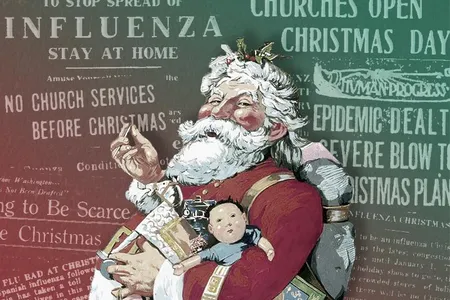
What the Pandemic Christmas of 1918 Looked Like
Concerns about the safety of gift shopping, family gatherings and church services were on Americans’ minds then, too
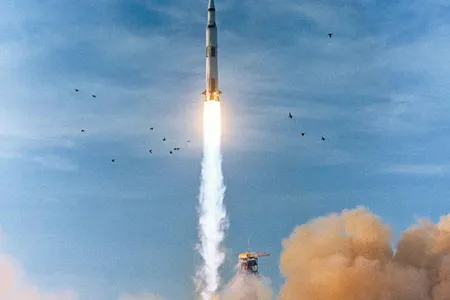
How Apollo 8 Delivered Christmas Eve Peace and Understanding to the World
In a new book, Smithsonian curator Teasel Muir-Harmony examines the geopolitics during NASA’s space flight program
Page 42 of 163