
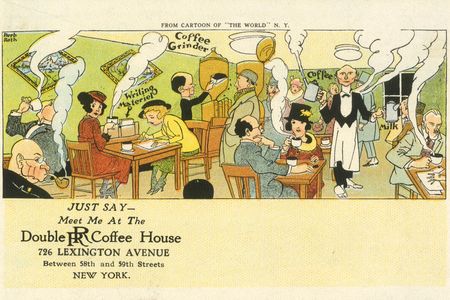
The Roosevelt Family Built a New York Coffee Chain 50 Years Before Starbucks
Teddy Roosevelt’s children brought fresh-roasted beans and European coffeehouse culture to Manhattan
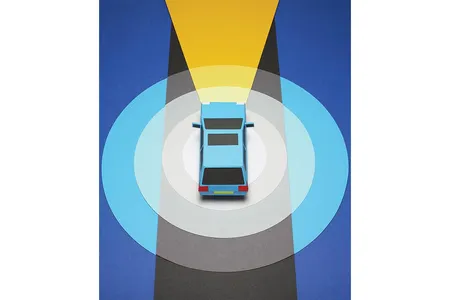
When Pedestrians Ruled the Streets
The driverless car may take a while to catch on—just as the automobile did a century ago

It Could Have Been Reginald the Red-Nosed Reindeer
Inside the very shiny life of a marketing gimmick from 1939
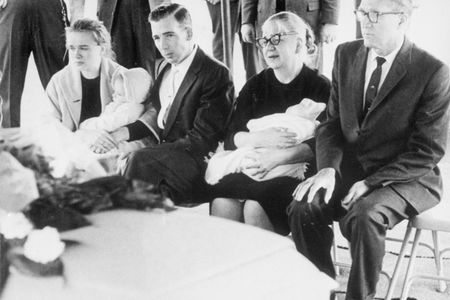
When Lee Harvey Oswald Shot the President, His Mother Tried to Take Center Stage
Marguerite Oswald had a series of bizarre reactions to her son’s transgression, forever making her a famous mother to history
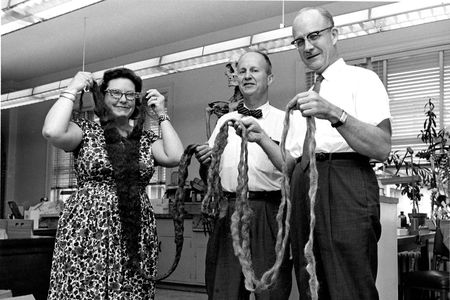
The World’s Longest Beard Is One Of The Smithsonian’s Strangest Artifacts
Kept in storage at the National Museum of Natural History, the world’s longest beard measures over 17 feet in length
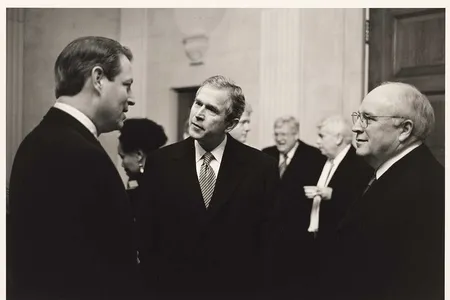
How the Office of the Vice Presidency Evolved from Nothing to Something
Vice President John Adams once said “In this I am nothing, But I may be everything.” A new book tells how the office has moved from irrelevance to power
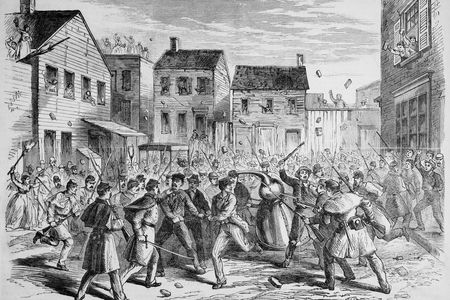
The Whiskey Wars That Left Brooklyn in Ruins
Unwilling to pay their taxes, distillers in New York City faced an army willing to go to the extreme to enforce the law

The Real Johnny Appleseed Brought Apples—and Booze—to the American Frontier
The apples John Chapman brought to the frontier were very different than today’s apples—and they weren’t meant to be eaten
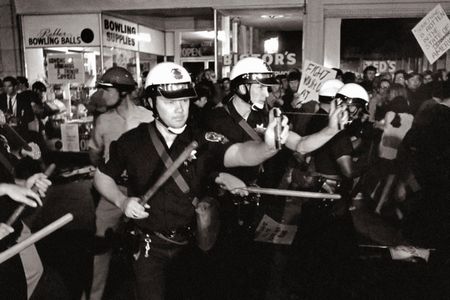
The Forgotten History of Mace, Designed by a 29-Year-Old and Reinvented as a Police Weapon
When riots shook America, mace became a tool of crowd control instead of private protection
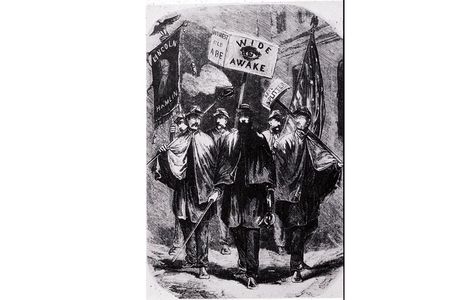
Whigs Swigged Cider and Other Voter Indicators of the Past
Throughout most of American history, what someone wore indicated their political affiliations as loudly as a Prius or a Hummer might today
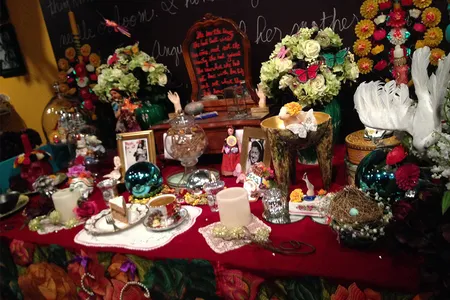
An Awe-Inspiring Altar Remembers One Latino Artist’s Guiding Spirit
At the American History Museum, an installation reimagines the life story of a Latina artist and writer
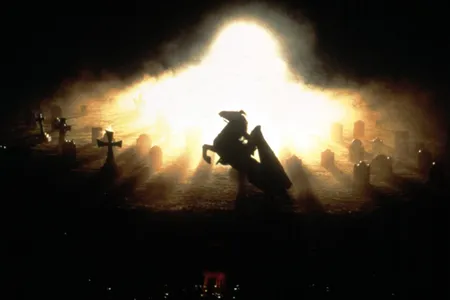
What “The Legend of Sleepy Hollow” Tells Us About Contagion, Fear and Epidemics
Washington Irving fled New York because of a yellow fever epidemic. Twenty-two years later, his classic story spoke to the chaos of his youth
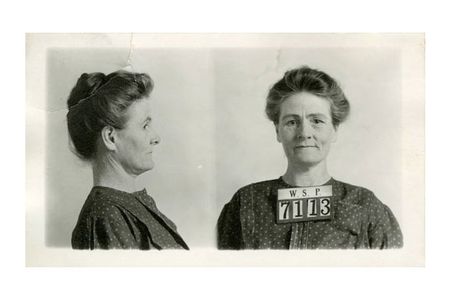
The Doctor Who Starved Her Patients to Death
Linda Hazzard killed as many as a dozen people in the early 20th century, and they paid willingly for it
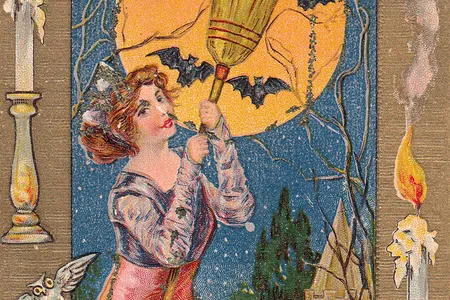
Women of the Early 1900s Rallied Behind Beautiful, Wartless Witches
Women looking to work, vote and marry whomever they wanted turned the Halloween icon into a powerful symbol
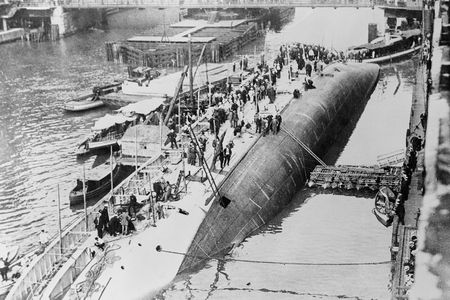
Chicago’s working poor were expecting a day in luxury. They instead faced a horrific calamity on Lake Michigan
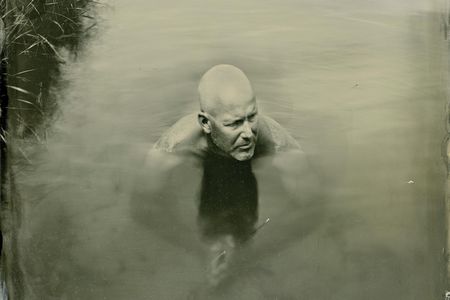
Coming to Terms With One of America’s Greatest Natural Disasters
Documentary filmmaker Bill Morrison plunges us into the Great Flood of 1927
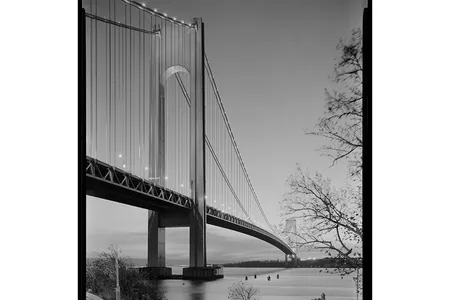
The History of the Verrazano-Narrows Bridge, 50 Years After Its Construction
Built in 1964, the span still stands as Americas’ largest suspension bridge
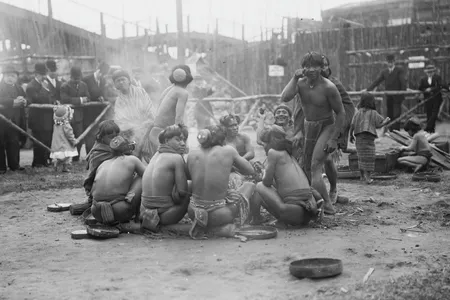
The Igorrote Tribe Traveled the World for Show And Made These Two Men Rich
Truman Hunt and Richard Schneidewind were locked in a fierce competition, but by the end, the tribespeople were left poor, hungry and yearning for home
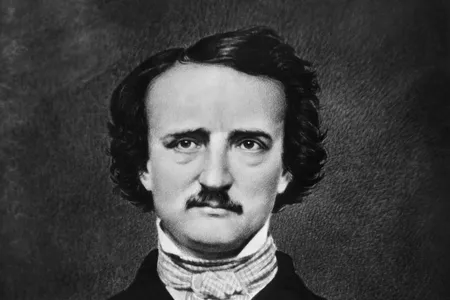
The (Still) Mysterious Death of Edgar Allan Poe
Was the famous author killed from a beating? From carbon monoxide poisoning? From alcohol withdrawal? Here are the top nine theories

Peering into the Secret Diaries of American Artists
A new Archives of American Art exhibition looks at how artists documented their lives before social media
Page 115 of 163