
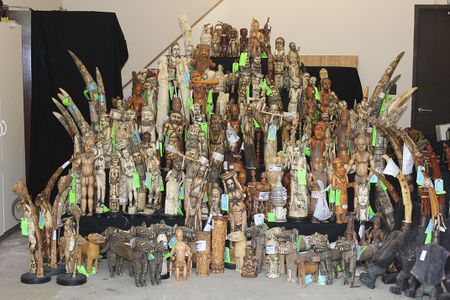
Where Do Important Ivory Artifacts Fit in the Race to Save Elephants from Poaching?
The fight against poaching and trafficking came to a head in Times Square last week with the destruction of a one-ton cache of illegal ivory
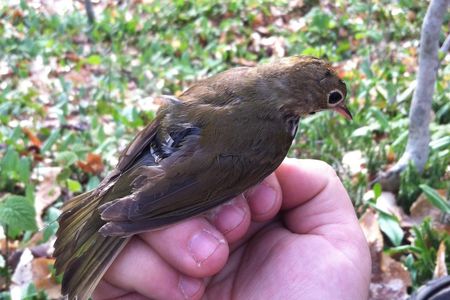
The Hottest New Accessory for Songbirds: Tiny GPS-Enabled Backpacks
Peter Marra and Michael Hallworth of the Smithsonian Migratory Bird Center test a groundbreaking device that tracks birds’ migrations

How Radio DJ Hoppy Adams Powered his 50,000-Watt Annapolis Station into a Mighty Influence
In post-war America, as advertisers discovered African American audiences, one local disc jockey drew top recording stars and a huge following
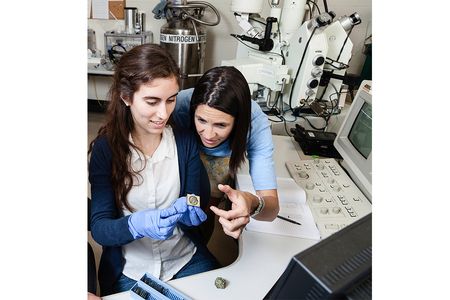
Hey Scientist, Who Are You Mentoring this Summer?
The director of education at the National Museum of Natural History delivers a clarion call to all scientists: Be a Mentor. Raise Up the Next Generation
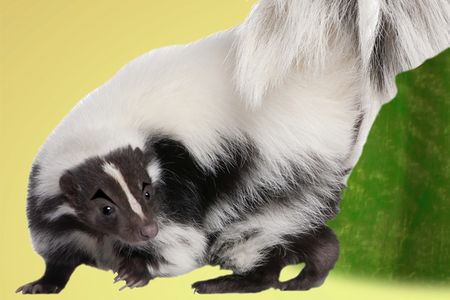
Ask Smithsonian: What Makes Skunk Spray Smell So Terrible?
When the omnivorous cat-size mammals take aim, the malodorous spray can hit with pin-point accuracy up to 20 feet away
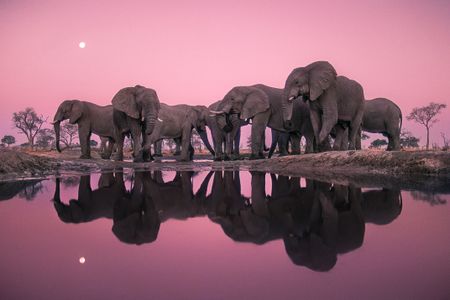
Wildlife Photographer Frans Lanting on the Difference Between Taking Pictures and Making Photographs
The National Geographic photographer has been described as having the “mind of a scientist, the heart of a hunter, and the eyes of a poet”
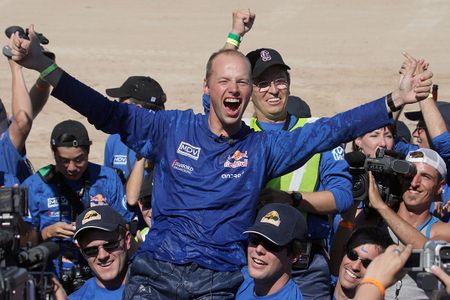
Does the Future Hold the Prospect of Outsourcing the Human Brain?
Bold thinker Sebastian Thrun is receiving a Smithsonian Award this week, so he regaled us with some of his ideas for changing the world
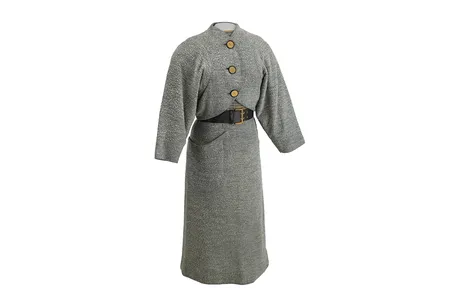
What a 1950s Fashion Maven Might Teach Us About What To Wear
When it was time to suit up for work, politics or social engagements, Claire McCardell’s fans embraced her chic, but comfortable style
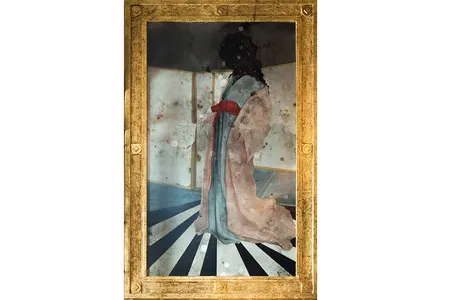
Whistler’s Peacock Room is Reimagined in a State of Oozing and Broken Decay
In Filthy Lucre, a new installation at the Sackler Gallery, artist Darren Waterston deconstructs Whistler’s masterpiece
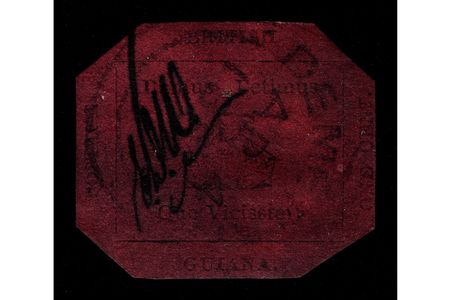
The Remarkable Story of the World’s Rarest Stamp
The rarely seen, one-of-a-kind 1856 British Guiana One-Cent Magenta, which recently sold for a whopping $9.5 million, gets its public debut
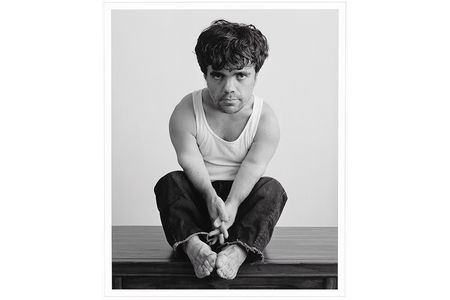
Who Crafts the Image in Celebrity Portraiture?
Is it real or is it celebrity branding? A portrait exhibition of iconic celebs considers the question of who holds the upper hand—the artist or the star
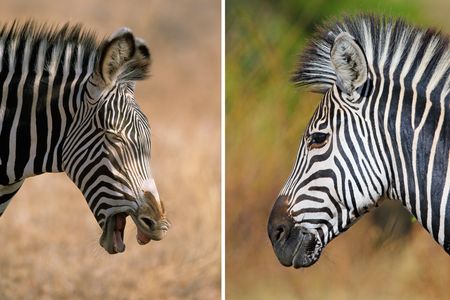
Big African Animals Are Pickier Eaters Than We Imagined
To the surprise of ecologists, plant-eaters manage to coexist on the savanna by each choosing different favorite foods
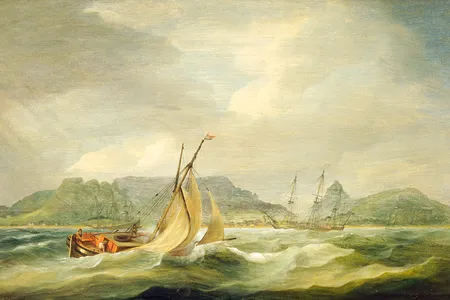
Smithsonian to Receive Artifacts From Sunken 18th-Century Slave Ship
In 1794, the Portuguese slave ship São José wrecked with 400 slaves aboard; iron ballast and a wooden pulley from that ship will come to Washington, D.C.
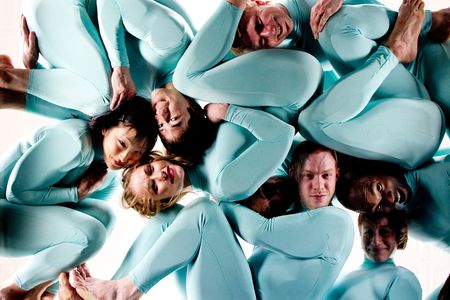
At the Intersection of Dance and Portraiture, Vulnerability and Intimacy Prevail
Dance troupe Pilobolus and video portrait artist Bo Gehring teamed up to defy boundaries

To Make Lobster Fisheries More Sustainable, Scientists Attempt to Decode Crustacean DNA
As the battle escalates to combat illegal fishing, Smithsonian scientists offer up a possible genetic tool

Ask Smithsonian: What Happens When You Get a Concussion?
It’s scary what we don’t know about the lasting effects after a knock to the noggin
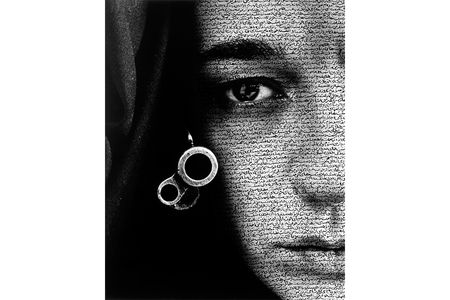
Iranian Exile Shirin Neshat’s New Exhibition Expresses the Power of Art to Shape Political Discourse
An exhibition of the artist’s work at the Hirshhorn is an allegorical narrative framed against historical and political realities
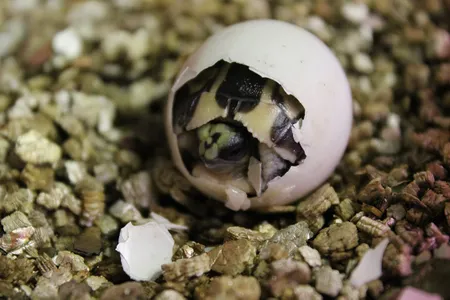
UPDATE: Second Critically Endangered Tortoise Hatches from a Cracked Egg
To get the critically endangered Madagascar spider tortoises to breed successfully took both tenacity and a whole lot of luck

How the Summer of Atomic Bomb Testing Turned the Bikini Into a Phenomenon
The scanty suit’s explosive start is intimately tied to the Cold War and the nuclear arms race
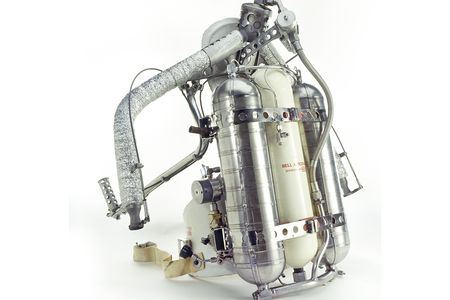
The Ill-Fated History of the Jet Pack
The space-age invention still takes our imaginations on our wild ride
Page 122 of 261