
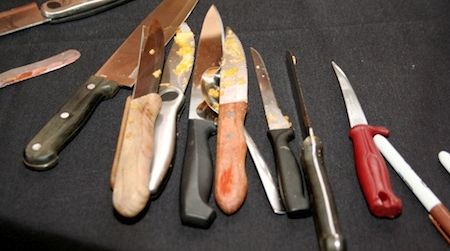
Scientists Use Cadaver Hands to Study the Dangers of Pumpkin Carving
A rigorous experiment compared pumpkin-carving tools to determine the safest way to carve a pumpkin
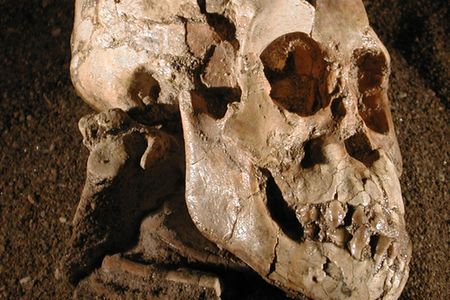
Fossilized Shoulder Reveals Early Hominids Climbed Trees
The shoulder blades of a 3.3-million-year-old Australopithecus afarensis child suggest the species spent at least some time in the treetops
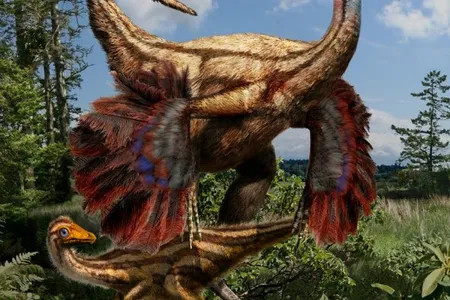
Feathery Ostrich Mimics Enfluffle the Dinosaur Family Tree
A trio of feathered dinosaurs tests a longstanding hypothesis and hint that there may be more feathered dinosaur fossils than anyone ever expected
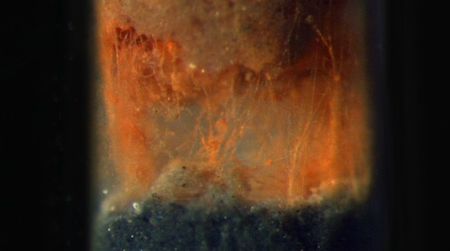
Live Wires: Newly Discovered Seafloor Bacteria Conduct Electricity
Scientists have found ultrathin multicellular bacteria that create electrical circuits several centimeters long
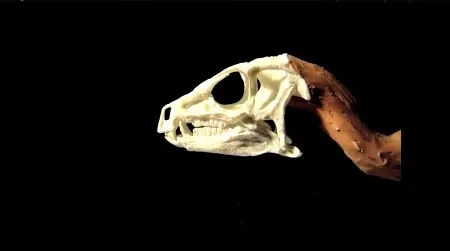
Paleontologists have known about Heterodontosaurus for decades, but a new restoration of the dinosaur shows just how freaky it was
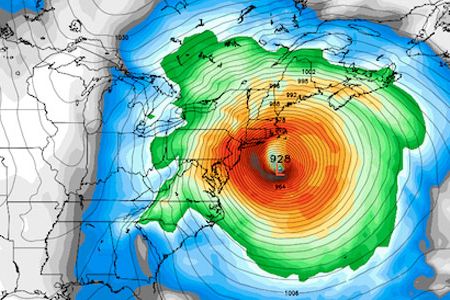
Tropical Storm Sandy Could Bring Extreme Weather to the East Coast for Halloween
A nascent hurricane in the Caribbean could bring flooding and high winds to the East Coast—or could take a turn and head out to sea

New Evidence That Grandmothers Were Crucial for Human Evolution
A computer simulation supports the idea that grandmothers helped our species evolve social skills and longer lives

This year’s SVP conference in Raleigh, North Carolina showcased a wealth of new dinosaur science
The Mystery of Human Blood Types
The ABO blood group evolved at least 20 million years ago, but scientists still don’t understand the purpose of blood types
The war on cancer has been going on for more than 40 years. Here are 10 small—and maybe not so small—victories scientists have had this year
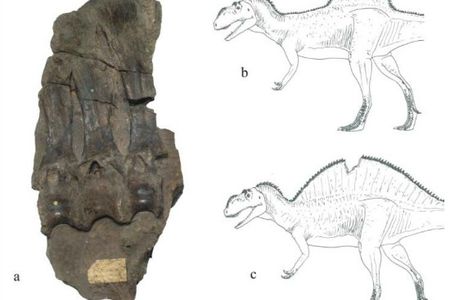
For over a century and a half, paleontologists have been confounded by the sail-backed carnivore Becklespinax. What did this dinosaur really look like?
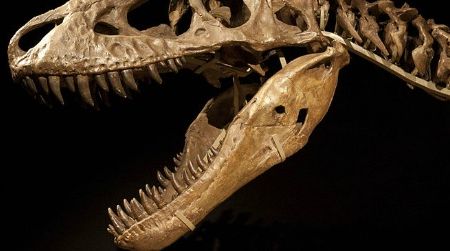
Tarbosaurus the Tip of the Black Market Iceberg
Earlier this week, federal officials arrested a man charged with selling numerous illegal dinosaur specimens
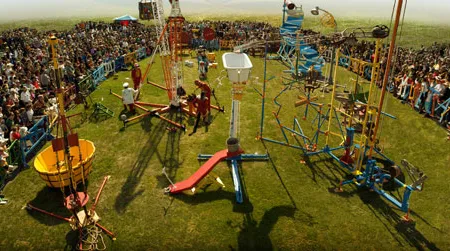
Teaching Physics with a Massive Game of Mouse Trap
Mark Perez and his troupe of performers tour the country, using a life-sized version of the popular game to explain simple machines
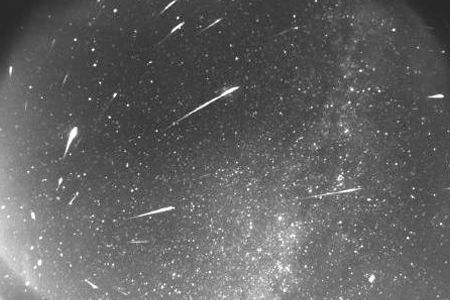
The Orionid Meteor Shower Will Light Up the Skies This Weekend
Debris shed by the legendary Halley’s comet could make for an impressive meteor show
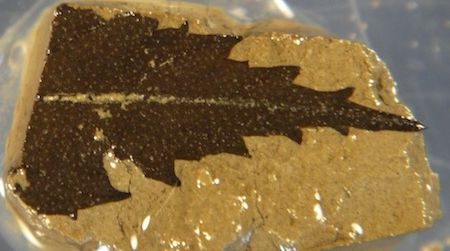
A New Leap Forward for Radiocarbon Dating
Sediments and ancient leaves recovered from the bottom of a Japanese lake will help scientists around the world more precisely date ancient objects
It sounds funny, but when Google created a huge computer network that was able to identify cats from YouTube videos, it was a big leap forward for artificial intelligence.
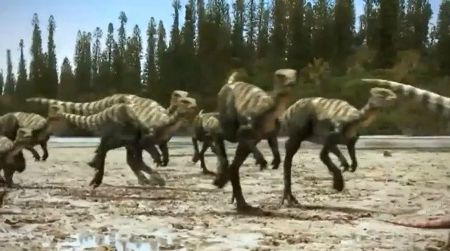
Dinosaur Stampede, the Musical
What caused Australia’s dinosaur stampede? A short musical performance suggests an answer
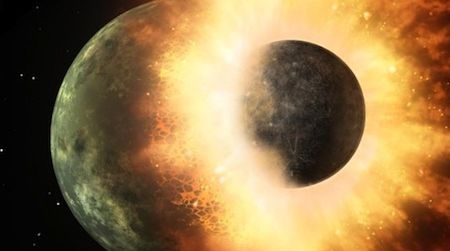
A new type of evidence found in lunar rocks indicates that an enormous collision between a young Earth and a Mars-sized object formed the moon

These frightening creatures defend themselves with slime and chow down on animal carcasses
Page 270 of 441