Subscribe to Smithsonian magazine and get a FREE tote.

Science / Our Planet

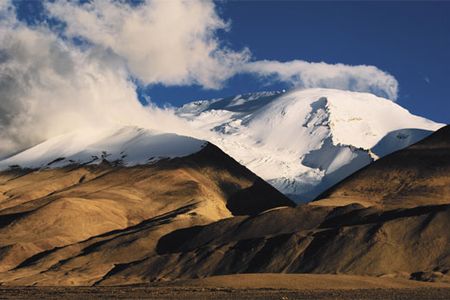
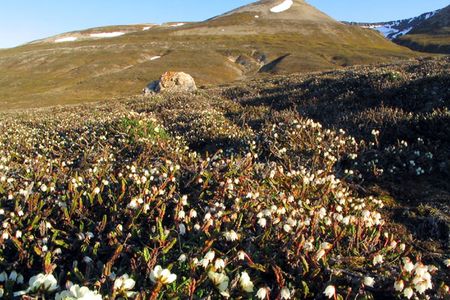
Scouting the area near Naimona'nyi (the peak above), Thompson and co-workers identified nearly 60 glaciers, many of them pitted by water-filled holes, a sure sign of melting.

Chronicling the Ice

Long before global warming became a cause célà¨bre, Lonnie Thompson was extracting climate secrets from ancient glaciers
Samper: "An ability to bring people together."

Biologist at the Helm

Meet Cristián Samper, Acting Secretary
None

The Chopping Block

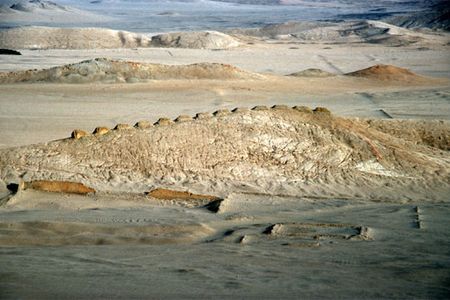
A view of the Thirteen Towers of Chankillo, in Peru.

Return of the Sun Cult

In Peru, scientists discover the oldest solar observatory in the Americas

One clue that the Buena Vista site was aligned with the seasons comes from a menacing statue (Ojeda is in the background) that faces the winter solstice sunset.

The New World’s Oldest Calendar

Research at a 4,200-year-old temple in Peru yields clues to an ancient people who may have clocked the heavens

None

Organization Man

Carl Linnaeus, born 300 years ago, brought order to nature’s blooming, buzzing confusion
None

EcoCenter: Greener Living

Smithsonian.com takes a look at common and easy ways to go green

Covering the Earth

A collection of Smithsonian’s recent environmental stories
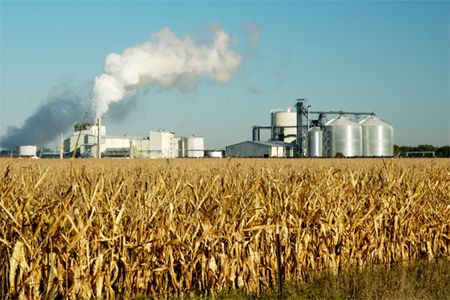
The amount of jobs and money funneling into the American Midwest could be an economic boon, says Chris Somerville. "We've gone from a couple to 150 corn-grain ethanol plants in 3 years."

The World After Oil

As the planet warms up, eco-friendly fuels can’t get here fast enough
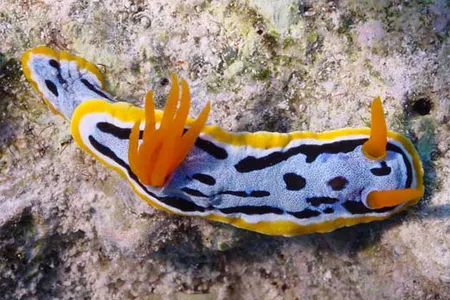
Nudibranchs (seaslugs) are favorite with amateur divers. The advent of SCUBA diving and digital photography has revolutionized how we document and describe these soft-bodied, shell-less gastropods.

Species Explosion

What happens when you mix evolution with climate change?

Page 94 of 103