

Will the Next Great Scientific Discovery Be Made by Amateurs?
There are more options than ever to get involved, and your input can help solve big problems in science
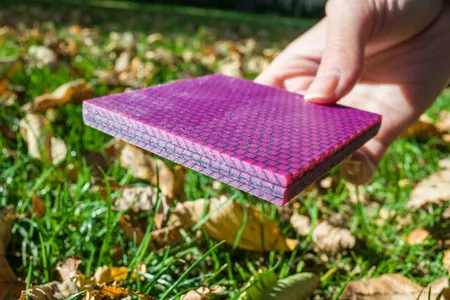
This Conch-Shell Inspired Material Could Make Helmets and Body Armor Safer
Scientists from MIT are using structures that evolved over millions of years to strengthen protective gear

iForest at The Wild Center combines an immersive sound experience with the lush beauty of the Adirondacks
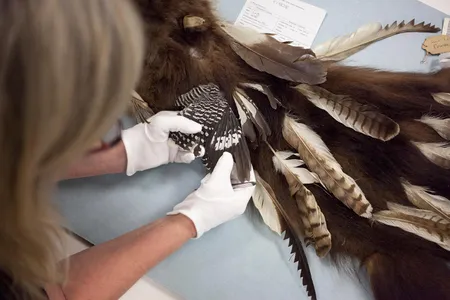
Telling the Story of 19th-Century Native American Treasures Through Bird Feathers
Famed explorer John Wesley Powell’s archive of his 19th century travels is newly examined
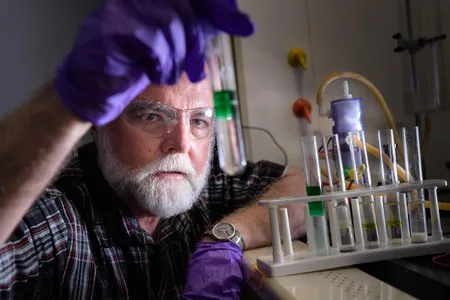
Pour to Recharge Your Electric Vehicle
Purdue University scientists have created a liquid-based battery that could one day be recharged at a gas station pump in just minutes
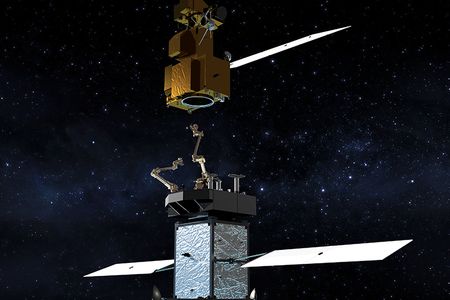
NASA Is Sending a Robotic Fueling Station to Space
How do you save a billion-dollar satellite? Send another robot up there after it

Researchers Give Skin Cells a Tan—Without the Sun
Without damaging UV rays, the artificial tan could give that golden glow while protecting against skin cancer.

An Ohio City is Turning an Unused Highway Into a Pop-Up Forest
Akron, Ohio hopes to fight urban inequality by removing a divisive highway. Other cities across America are looking into doing the same.
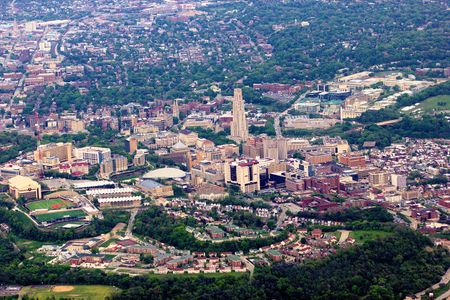
Pittsburgh Has Surged Post-Steel, but Many in Rusting Region Still Struggle
A historian notes how Pittsburgh’s tech-driven boom hasn’t reached everyone in western Pennsylvania

Will These Flexible Skin Patches Replace Wires in Hospitals?
Researchers at Northwestern University have developed “epidermal electronics,” thin flexible patches capable of monitoring vital signs and more.
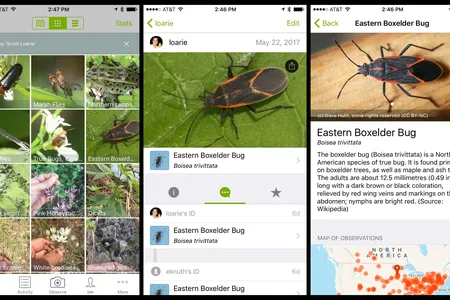
AI Plant and Animal Identification Helps Us All Be Citizen Scientists
Apps that use artificial intelligence to allow users to ID unknown specimens are making science more accessible to everyone.
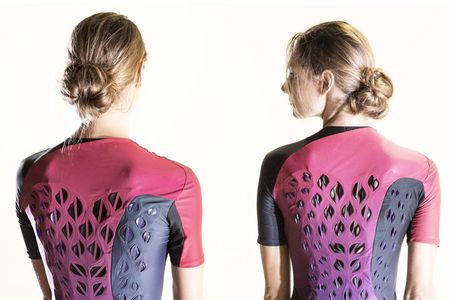
This Biofabric From MIT Uses Bacteria to Automatically Ventilate Workout Clothes
Would you wear microbes on your back?
A Brief History of the GIF, From Early Internet Innovation to Ubiquitous Relic
How an image format changed the way we communicate
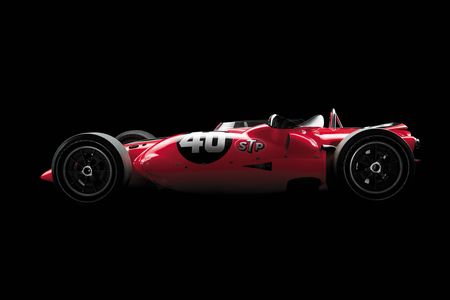
When a Jet-Powered Car Raced in the Indianapolis 500
The racecar tore up the track and dazzled fans at the legendary competition—and then vanished

Just a Few Self-Driving Cars Could Fix Phantom Traffic Jams
A new study suggests they can help get rid of stop-and-go traffic on highways.

Tweaking the Tiny Electrical Charges Inside Cells Can Fight Infection
It works in tadpoles. Could it work in humans?
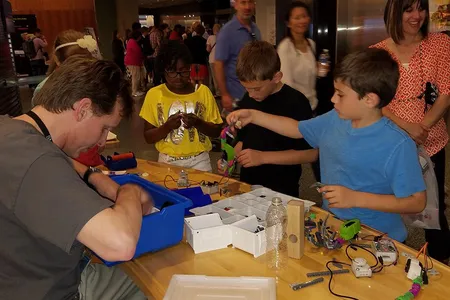
The Next Generation of Military Prosthetics Is Breaking New Ground
At the Smithsonian’s Military Invention Day, visitors experienced how military innovation is helping society

Why Your Next Favorite Fictional Protagonist Might Be on the Autism Spectrum
Fiction can reframe misunderstood mental conditions like autism

Bjarke Ingels Makes the Impossible Concrete
The star architect is mapping out a new daring plan for the Smithsonian

Can Human Mortality Really Be Hacked?
Backed by the digital fortunes of Silicon Valley, biotech companies are brazenly setting out to “cure” aging
Page 71 of 151