

10 Vintage Menus That Are a Feast for the Eyes, If Not the Stomach
From the late-19th century to the 1970s, restaurants had one surefire way of standing out
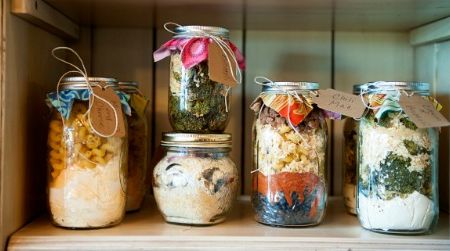
Meals in a Jar: From Pancakes to Baby Back Ribs, Just Add Water
Ready-made meals, good for months on a pantry shelf, work for busy nights, camping trips and power outages
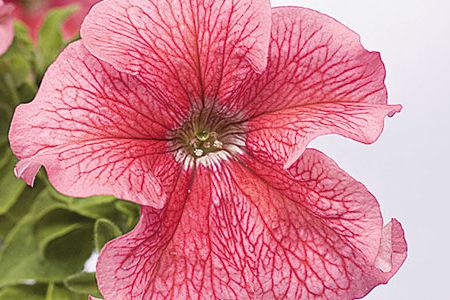
Cracking the Code of the Human Genome
The Story of How An Artist Created a Genetic Hybrid of Himself and a Petunia
Is it art? Or science? With DNA, Eduardo Kac pushes the limits of creativity and ethics
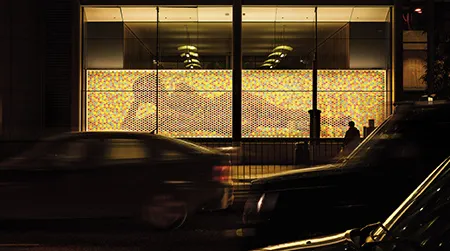
With Biodesign, Life is Not Only the Subject of Art, But the Medium Too
Artists are borrowing from biology to create dazzling “biodesigns” that challenge our aesthetics—and our place in nature

Micro Apartments Are the Future of Urban Living
To combat the housing crisis in major American cities, architects are designing smaller, more efficient apartments that will change the way urbanites live
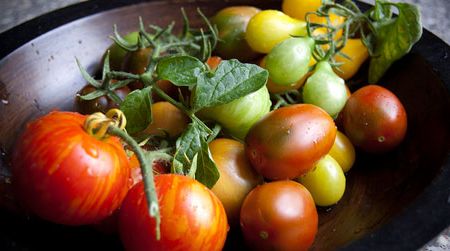
Can Chemistry Make Healthy Foods More Appealing?
Making healthy foods like tomatoes more palatable may increase our desire to eat these foods while decreasing our gravitation towards sugary snacks
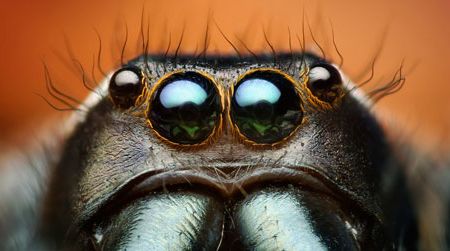
Locking Eyes With Spiders and Insects
Macrophotographer Thomas Shahan takes portraits of spiders and insects in the hopes of turning your revulsion of the creatures into reverence

Birds and Bards: Beautiful Japanese Images from the Edo Period
Everything from parrots to gossipy novels influenced art in Japan between 1603 to 1868
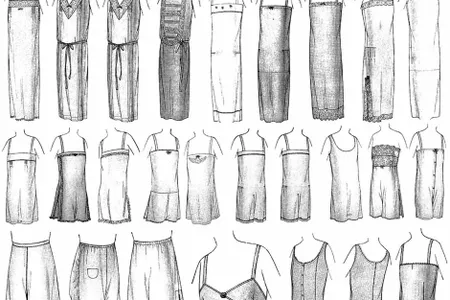
The History of the Flapper, Part 3: The Rectangular Silhouette
Finally, women could breathe deeply when the waist-nipping corset went out of style
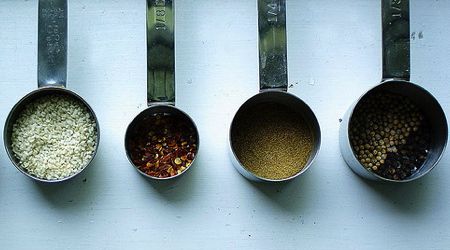
No Salt, No Problem: One Woman’s Life-or-Death Quest to Make “Bland” Food Delicious
The more salt we eat, the more we crave. This new approach to less-salty cooking might help you step off the treadmill

How Does McCormick Pick the Top Flavors of the Year?
Ten years ago, the spice company identified chipotle as a taste on the rise. They’re back at it again with new predictions for 2013
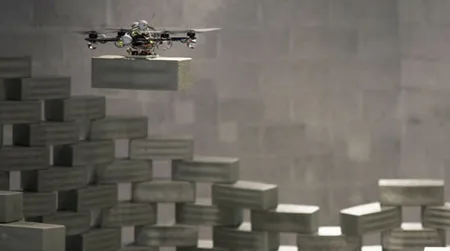
The Drones of the Future May Build Skyscrapers
Innovative architects are experimenting with small unmanned aerial vehicles to prove that drones can do more than cause destruction

“Freakish Absurdities:” A Century Ago, An Art Show Shocked the Country
The Armory Show provoked reactions of love and hate; today it is recognized as changing American art forever
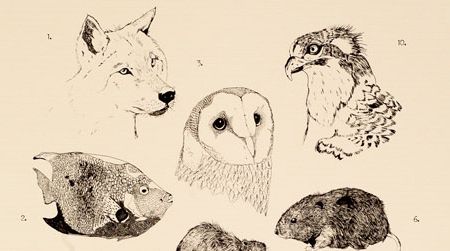
A Valentine for Sci-Art Lovers
A clever print by designer Jacqueline Schmidt pays homage to 12 different species with one thing in common—they mate for life
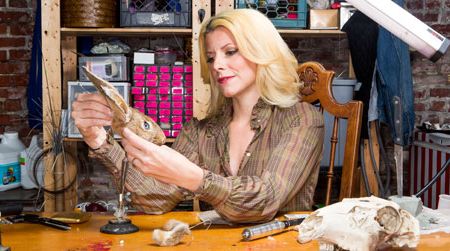
Outrageous Taxidermy, the Subject of a New Show on AMC
Former Smithsonian taxidermist Paul Rhymer is a judge on “Immortalized,” a TV competition that pits up-and-comers against superstars in the field

The Origins of Wearing Your Heart on Your Sleeve
Valentine’s Day can be an occasion for quirky expressions of love

Don’t understand love? Not to worry. Scientists continue to study away to try to make sense of it for the rest of us
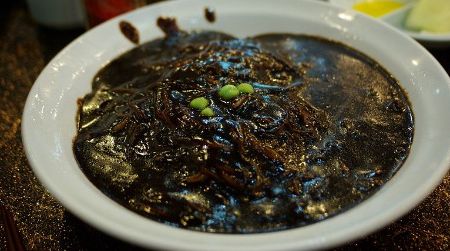
Korea’s Black Day: When Sad, Single People Get Together And Eat Black Food
Each year on April 14, singles in South Korea drown their sorrows in a bowl of black noodles

Unmanned Drones Have Been Around Since World War I
They have recently been the subject of a lot of scrutiny, but the American military first began developing similar aerial vehicles during World War I
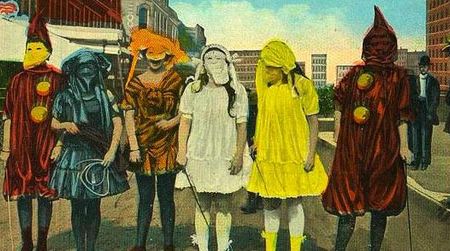
The Masked Merriment of Mardi Gras
For centuries, the day’s revelry has featured the liberated feeling of hiding in plain view
Page 209 of 364