

Bees Can Learn to Play “Soccer.” Score One for Insect Intelligence
Small as they are, bumblebee brains are surprisingly capable of mastering novel, complex tasks

Lights, Camera…Cocktails! Five Historic Bars From Hollywood’s Golden Age
Toast the Oscars at one of these Old Holywood watering holes
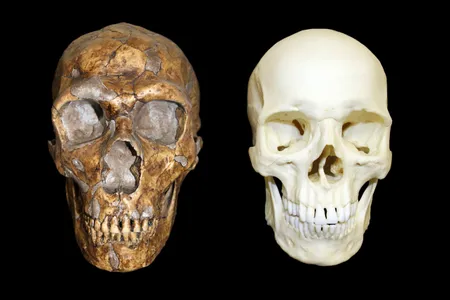
How Ancient Neanderthal DNA Still Influences Our Genes Today
Far from being silent remnants, Neanderthal genes play a profound role in how modern human genes are expressed

The First Jazz Recording Was Made by a Group of White Guys?
A century ago, a recording of the startlingly novel “Livery Stable Blues” helped launch a new genre

Why Mind Wandering Can Be So Miserable, According to Happiness Experts
We still don’t know why our minds seem so determined to exit the present moment, but researchers have a few ideas

The Historic Innovation of Land Mines—And Why We’ve Struggled to Get Rid of Them
A number of researchers are developing tools to defuse or detonate land mines without harming civilians
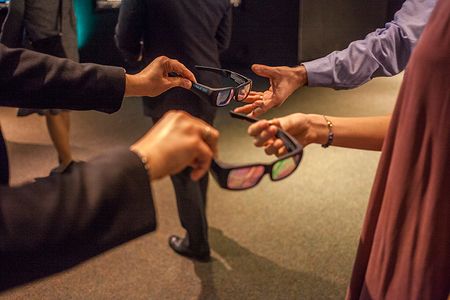
The New IMAX Film “Dream Big” Roots for the Underdogs in the Engineering World
Director Greg MacGillivray’s latest documentary premieres at the National Air and Space Museum
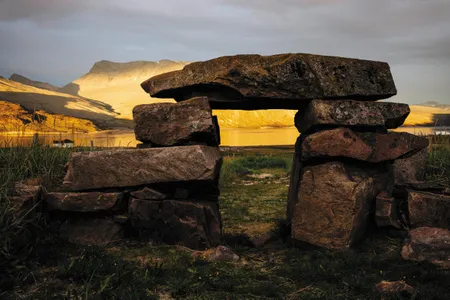
Why Did Greenland’s Vikings Vanish?
Newly discovered evidence is upending our understanding of how early settlers made a life on the island — and why they suddenly disappeared

A Child From 17th-Century Europe Might Have Rewritten the History of Smallpox
The deadly scourge goes back for centuries, but how many?
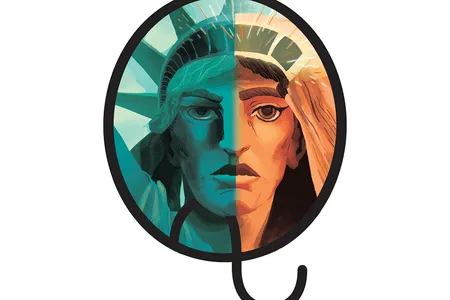
Why Is Pennsylvania Ave D.C.’s Main Thoroughfare and More Questions From Our Readers
Your questions answered by our experts

Fulcrum BioEnergy wants to divert trash from landfills and create cheap green energy

Why Abraham Lincoln Was Revered in Mexico
As a young Congressman and later as the nation’s leader, the first Republican president proved to be a true friend to America’s neighbor to the south

When Hollywood Glamour Was Sold at the Local Department Store
During the 1930s, the world’s most fashionable looks came not from Paris, but from La-La Land

Fifteen Perfect Spots to Watch the Total Solar Eclipse as it Crosses the U.S. This Summer
One of the most exciting astronomical event in U.S. history is happening in August

E.O. Wilson Urges Tomorrow’s Scientists to Seek Earth’s Undiscovered Riches
In a Smithsonian talk, the eminent biologist argued for more protected areas and greater efforts to map the diversity of life
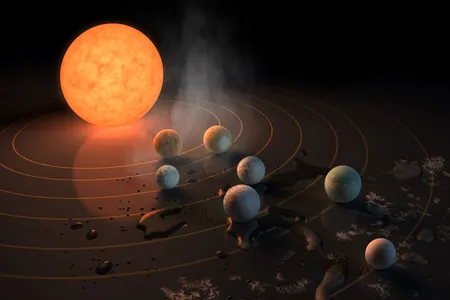
Scientists Spot Seven Earth-Sized Planets Orbiting a Nearby Star
This newly discovered solar system presents the best opportunity yet to study potentially habitable worlds, NASA scientists report
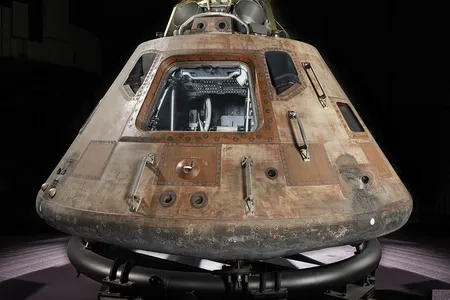
Apollo 11 Command Module Makes Another Journey
The command module “Columbia” will visit four U.S. museums, leaving DC for the first time in 46 years.
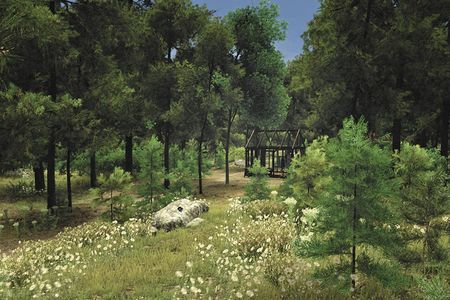
Can a Video Game Capture the Magic of Walden?
Henry David Thoreau’s famed retreat gets pixelated
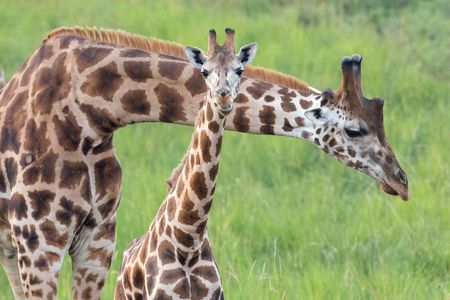
To Save Giraffes, We May Need to Put Our Necks Out
With populations plummeting, researchers race to understand a beloved but enigmatic animal
Page 391 of 1285