Subscribe to Smithsonian magazine and get a FREE tote.

Teeth

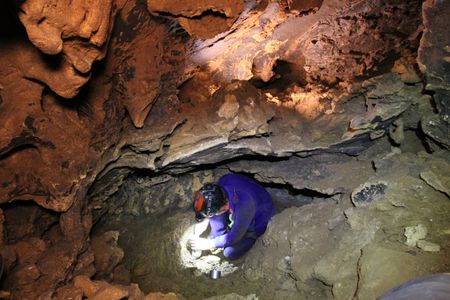
Scientists discovered the teeth in two limestone caves, called Baxian and Naxian, in southern China.

Cool Finds

Teeth Discovered in Two Chinese Caves Are Rewriting the Story of Homo Erectus, an Ancient Human Ancestor That May Have Been More Capable Than We Thought

One new study suggests that the species persisted in mainland Asia for 216,000 years longer than previously thought. Another says Homo erectus was capable of living in a tropical rainforest, a discovery that turns a common extinction theory “on its head,” according to one researcher
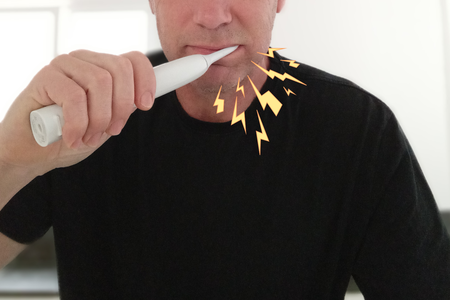
Researchers designed an innovative toothbrush that generates electricity. 

This Self-Charging Toothbrush Has Bristles That Generate Electricity to Help Kill Bacteria That Cause Cavities and Gum Disease

In a short clinical trial, participants who used the experimental toothbrush reported less plaque, gum inflammation and bleeding than those who used traditional nylon-bristled brushes. However, more research is required to assess the tool’s safety and efficacy
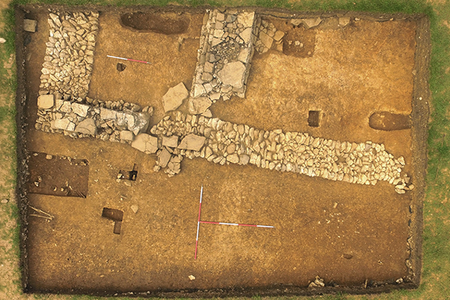
Researchers examined three cemeteries across the Peak District.

Cool Finds

To Understand Social Divides in Medieval England, Archaeologists Examined Tooth Enamel From Lead Mining Communities

Some residents of the Peaks District in the 13th century may have experienced worse lead pollution than city-dwellers during the Industrial Revolution. Female skeletons showed higher lead levels and earlier ages of death
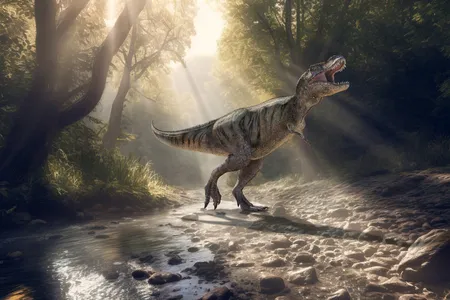
Tyrannosaurus rex’s image has seen major adjustments over the past century.

Five Discoveries That Changed Our Understanding of T. Rex Forever, From Warm Blood to Lips

Paleontologists are still unraveling the secrets of the world’s most famous dinosaur, such as its outward appearance or the way that it hunted. With each new finding, our view of the “tyrant lizard king” has gotten a little clearer—and sometimes has radically shifted

A geologist first spotted the tooth while conducting a survey for conservation purposes. 

Cool Finds

A Geologist in California Found Something Strange Sticking Out of a Creek. A Reverse Image Search Told Her It Was an Ancient Mastodon Tooth

Pacific mastodons roamed parts of North America before disappearing along with other Ice Age megafauna around 11,700 years ago

The maxilla and molars of an individual who lived between 16,000 and 25,000 years ago

New Research

Archaeologists Discover the World’s Oldest Evidence of Habitual Drug Use in the Teeth of a Hunter-Gatherer Who Lived Up to 25,000 Years Ago

This individual may have regularly sucked on betel nuts, known for their mind-altering properties, leading to worsening dental disease. Researchers say the discovery sheds light on addiction in prehistoric environments
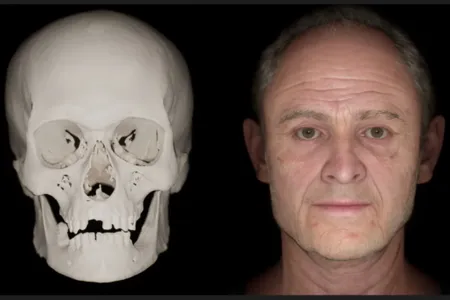
The digital facial depiction was created by the Face Lab at Liverpool John Moores University.

New Research

See the Digitally Reconstructed Face of an Ancient Man Who Witnessed England’s Greatest Upheaval

The so-called “Conquest Man” was buried in England in 1079, just over a decade into the reign of William the Conqueror. Researchers recently analyzed the skeleton’s DNA and teeth to learn more about him

The procedure was likely extremely painful. But, afterward, the Neanderthal continued chewing with the tooth, which suggests they felt some relief.

New Research

Neanderthals Got Cavities, Too—and New Research Suggests They Drilled Into Their Teeth to Treat Them, Just Like Modern Dentists

Researchers unearthed a 59,000-year-old Neanderthal molar that shows signs of dental surgery, a discovery that pushes back the earliest evidence of dental work by roughly 45,000 years

The 20-karat gold wire was installed some time before the man died.

New Research

Why Did This Wealthy Scotsman Pay a Jeweler to Wrap His Teeth in Gold Wire Hundreds of Years Ago?

What an early example of a dental bridge reveals about health, wealth and social values in the late medieval and early modern world

Rats and other rodents have front teeth that grow continuously, so they gnaw to keep them healthy and in shape. 

Rodents Don’t Gnaw Just to Trim Their Teeth—It Also Feels Good, According to a New Study

The findings could help humans who grind their teeth or clench their jaws

Based on Andrewsarchus’ skull size and the skull-to-body-size ratios of other hoofed predators called mesonychids, scientists estimated in 1924 that the beast was more than 12 feet long and about 6 feet tall. Reassessments of Andrewsarchus’ evolutionary tree, however, suggest this estimate is inaccurate.

This Giant Carnivore Ran on Hooves. Scientists Are Investigating Its Massive Skull and Crushing Teeth to Decipher the Beast’s True Nature

For more than a century, paleontologists have been piecing together how the mysterious predator Andrewsarchus is related to other mammals, like the extinct “hell pigs” and “wolves with hooves”

An artistic representation of T. heberti snacking on some greens.

Cool Finds

A Football-Size Creature That Lived 307 Million Years Ago May Have Been One of the First Land Vertebrates to Eat Plants

“Hebert’s tyrant digger” had teeth built for grinding tough veggies, a new study suggests

Megalodons were massive predators that ruled the world's oceans.

Megalodons Went Extinct Millions of Years Ago. The Prehistoric Predator Could Become Maryland’s Official State Shark

Teeth belonging to the fearsome creatures have been discovered throughout the state. Now, they’re up for consideration by the state legislature

Strange fossils reveal that predatory fish with a wide array of dental setups once stalked prehistoric waters.

Sharklike Fish With Weird, Buzz-Saw Jaws Sliced Through the Seas, Then Vanished. Now, Paleontologists Are Unraveling Their Secrets

These “total monsters of fishes” are extinct today, though new clues about their lives come from CT scans and their closest living relatives: the big-eyed ratfish of the deep sea

In 2025, researchers watched an interstellar comet, learned about human origins and traced the spread of measles.

The Ten Most Significant Science Stories of 2025, From Medical Breakthroughs to an Interstellar Visitor

All year long, these moments captivated the public, demonstrated dangerous trends, and pushed research and innovation forward

Researchers studied ancient tooth fossils and found that a gene mutation in modern humans (right) better protected them against lead and gave them an advantage over Neanderthals (left). 

Our Human Ancestors Were Exposed to Lead, and New Research Suggests It May Have Shaped Human Evolution

Lead exposure may have spelled evolutionary success for humans—and extinction for our ancient cousins—but other scientists are casting doubt on the headline-making study

A juvenile spotted ratfish. These deep-sea fish are named for their long, rat-like tails.

This Deep-Sea Fish Has Teeth on Its Forehead—and It Uses Them for Sex

Researchers suggest the rows of pointed structures on the heads of spotted ratfish are true teeth, offering the first known example of teeth located outside the jaw

Stonehenge at sunset. Construction of the iconic stone circle began around 3000 B.C.E. and continued in several phases.

A Neolithic Cow’s Tooth Helps Point to the Mysterious Origins of Stonehenge’s Iconic Stones

Isotope analysis of a molar from a cow’s jawbone found buried at the monument provides details of the life story of the animal—and how it may relate to the construction of Stonehenge

Novaculadon mirabilis is characterized by its razor-sharp teeth.

A Student Spotted a Jawbone at a Beach. It Turned Out to Be a New, Mouse-Sized Mammal That Lived Among Dinosaurs

The species was named for its pointy teeth and could shed light on early mammal adaptations

An illustration of a mother and calf Janjucetus dullardi, a newly discovered tiny whale species with a sharp bite

Cool Finds

Newly Discovered Prehistoric Whale Is ‘Deceptively Cute’—It’s Tiny but Has a Mouth Full of Razor-Sharp Teeth

Found on the southern coast of Australia, the species could fill gaps in scientists’ understanding of baleen whale evolution

Page 1 of 6