
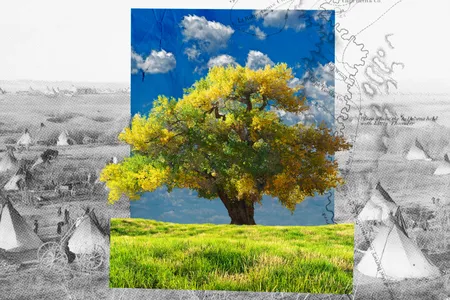
A Chance for Healing, 170 Years After a Lakota Massacre
Dozens of personal belongings from the Rosebud Sioux tribe find their way home after spending decades in the Smithsonian collections
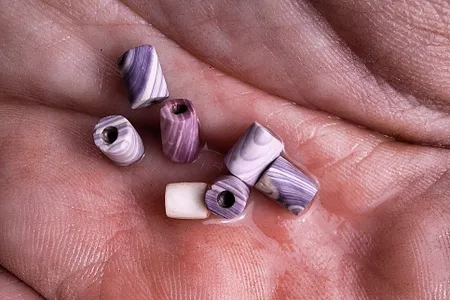
Archaeologists Unearth Seven Rare Wampum Beads at 17th-Century English Settlement in Canada
Indigenous groups created the small beads from mollusk shells. They’re the first artifacts of their kind ever found at the Colony of Avalon in Newfoundland
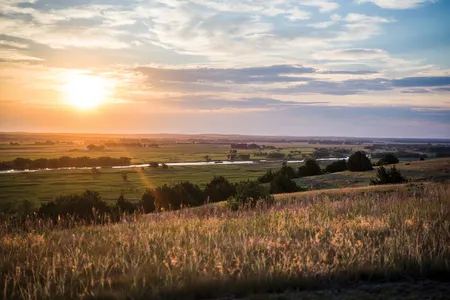
In the conclusion of a long-awaited turn of events, the Great Plains tribe has now reclaimed cherished items stolen from their ancestors by the U.S. Army
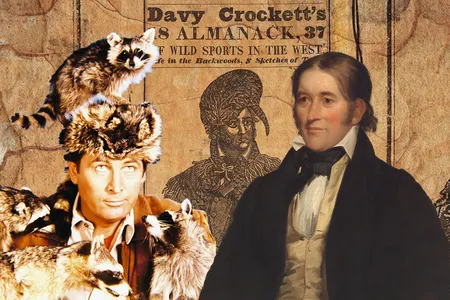
How Davy Crockett, the Rugged Frontiersman Killed at the Alamo, Became an Unlikely American Hero
During his lifetime, Crockett—who went by David, not Davy—shaped his own myth. In the 20th century, his legacy got a boost from none other than Walt Disney
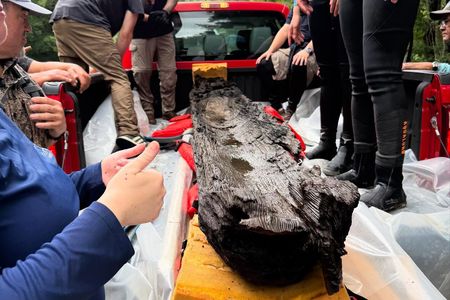
This Dugout Canoe Made From a 12-Foot-Long Log Was Found Bobbing in a North Carolina River
The newly discovered vessel is one of 79 known dugout canoes that have been unearthed throughout the state
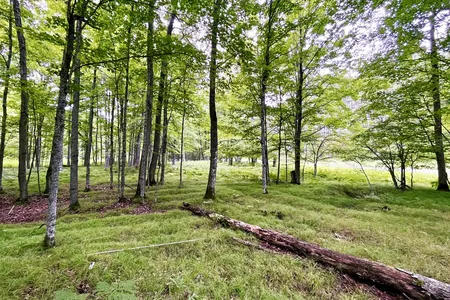
The ancestors of the Menominee Indian Tribe of Wisconsin built earthen mounds to grow crops. The site could be the largest preserved archaeological field system in the eastern United States
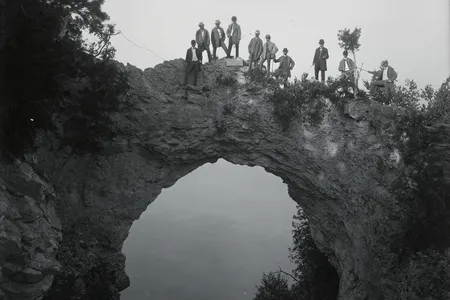
Much of Mackinac Island was designated as a national park in 1875, but it proved to be too expensive for the government to maintain, so it was transferred to the State of Michigan in 1895
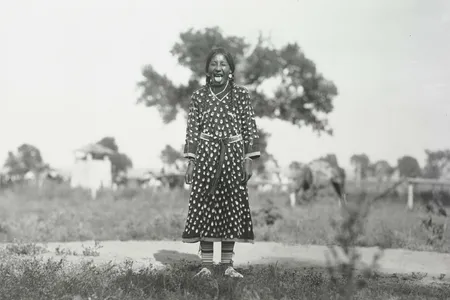
See the Stunning Archival Photographs That Tell the Stories of Everyday Native Life and Communities
The Archive Center at the National Museum of the American Indian presents a new exhibition that can help “interrupt the romanticized, stereotypical images often shared of Native peoples throughout history”
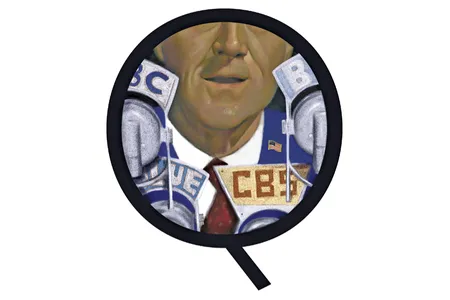
What Happened to FDR’s Fireside Chats? And More Questions From Our Readers
You’ve got questions. We’ve got experts
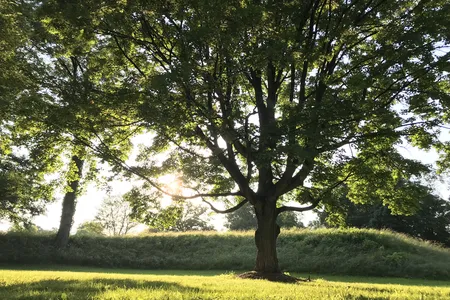
An earthen enclosure called the Octagon is drawing much-deserved attention to the state’s history-filled mounds built some 2,000 years ago by the Hopewell culture
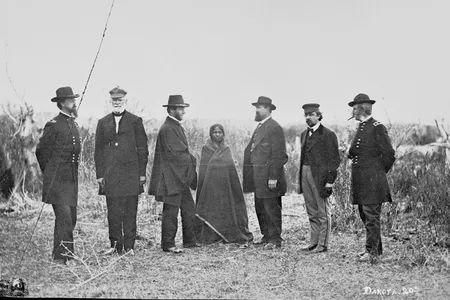
In 1868, Sophie Mousseau was photographed at Fort Laramie alongside six white Army officers. But her identity—and her life story—remained unknown for more than a century

The Maryland Department of Transportation launched an interactive virtual museum, showcasing finds from where Ben Ross lived after emancipation

See Lily Gladstone’s Stunning Oscar Gowns Designed by an Indigenous Artist
The two gowns were a collaboration between Gucci and a porcupine quillwork artist. Both are now on display at the Smithsonian’s National Museum of the American Indian
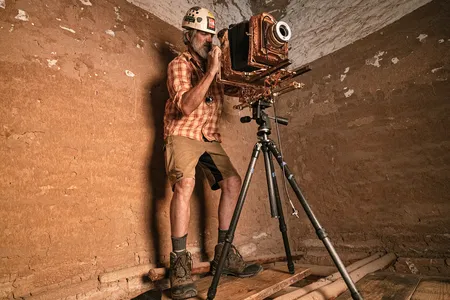
How Canyon de Chelly Brought a Photographer Back to Life
Wayne Martin Belger set out to make indelible photos of a mystical site on the Navajo Nation. First he needed to relearn how to walk
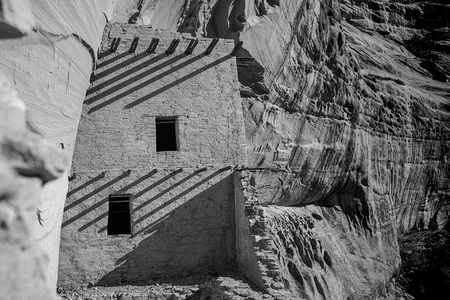
In the Arizona desert, researchers are learning so much more about the peoples who have inhabited this land since antiquity
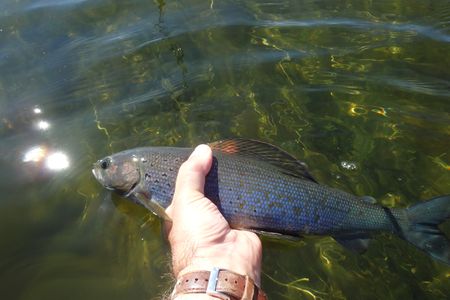
These Shimmery Fish Disappeared From Michigan Nearly a Century Ago. Can They Make a Comeback?
Great Lakes tribes and state biologists are working together to reintroduce Arctic grayling to northern Michigan’s waterways

Archaeologists Unearth Rare 1,000-Year-Old Food Storage Pit in Alaska
Initial findings suggest the cache was used to preserve moose and caribou meat in the harsh climate of southeastern Alaska
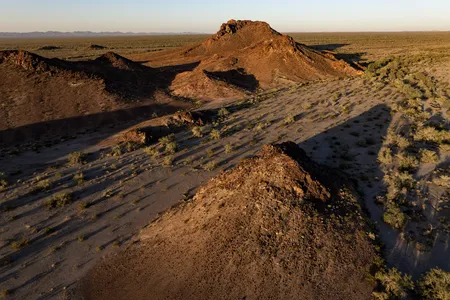
Biden Establishes Two New National Monuments in California
The Chuckwalla National Monument and the Sáttítla Highlands National Monument will protect more than 848,000 acres of public lands
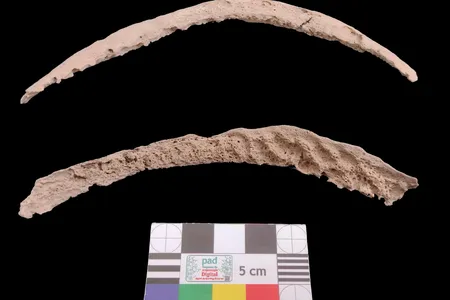
Researchers found evidence that early versions of syphilis-causing bacteria existed in the Americas long before the arrival of Columbus
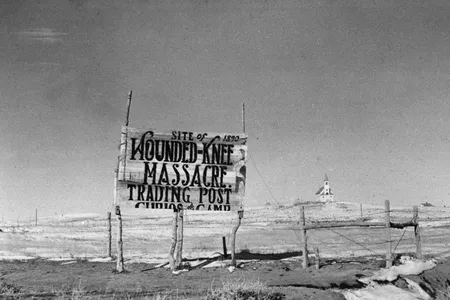
On This Day in 1890, the U.S. Army Killed Nearly 300 Lakota People in the Wounded Knee Massacre
The mass murder made sensational news at the time, but getting to the heart of the matter took a much deeper view of American history
Page 2 of 21