
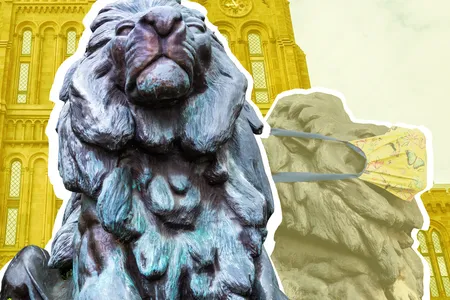
Smithsonian Tells Museum and Zoo Visitors Masks Are Now Optional
Face coverings mandate is lifted this Friday, as more museums resume daily visiting hours
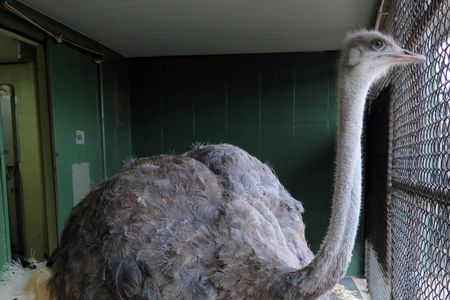
Meet Linda the Ostrich, the National Zoo’s Newest Animal Ambassador
The large feathery friend is four years old and arrived at the Zoo in November 2021
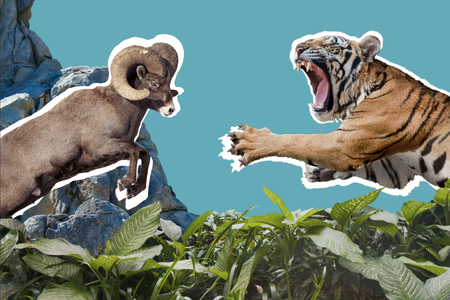
Who Would Win in a Real-World Battle: A Bengal Tiger or a Ram?
The big cats are stealthy predators, but the mountain-climbing ungulates are agile defenders

What Did Graffiti Look Like Before Spray Paint and More Questions From Our Readers
You’ve got questions. We’ve got experts.

See Pandas, Elephants, Cheetahs and More Enjoy a Snow Day at the National Zoo
At least six inches of snowfall covered Washington, D.C. this week causing closures and delays for residents, but the zoo animals were out to play
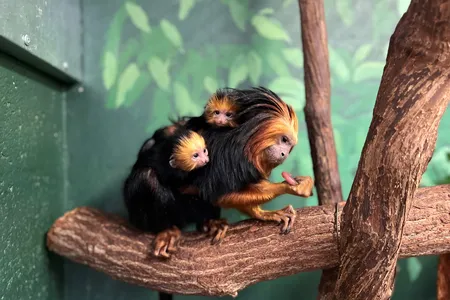
Zoo’s Historic Newborn Tamarin Twins Cling to Mom, Doing What Healthy Babies Do
Keepers worked with breeding parents Lola and Coco, who soon “become very interested in each other”
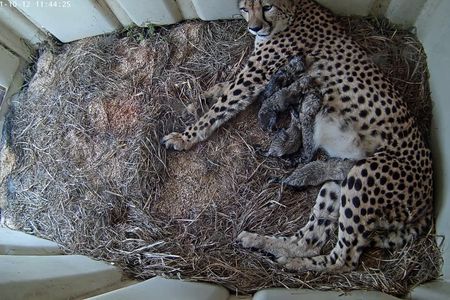
Five Cheetah Cubs Born at Smithsonian Conservation Biology Institute
Viewers can watch mother cheetah caring for her newborn babies on a live-streaming webcam

How Do Gorillas Get Heart Disease? And More Questions From Our Readers
You’ve got questions. We’ve got experts
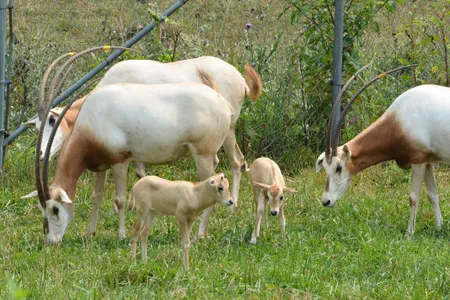
Two New Scimitar-Horned Oryx Calves Born Through Improved Methods of Artificial Insemination
The assisted reproduction method will help with population management efforts of these critically endangered species and their rewilding
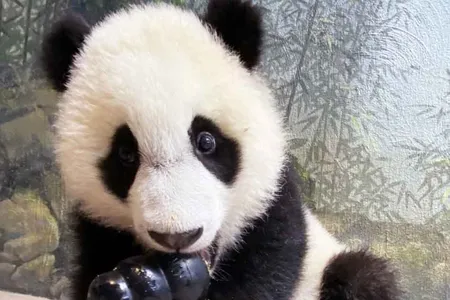
Smithsonian Announces the Zoo and Seven Museums Open in May
You’ll finally be able to see the baby panda in person; here’s our comprehensive list of what’s on view and tips for visiting

When Is Kente Cloth Worn and More Questions From Our Readers
You’ve got questions. We’ve got experts
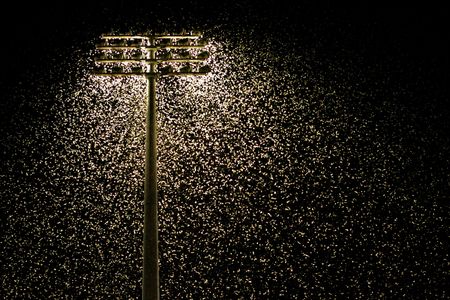
Using Amber-Filtered Bulbs Instead of White Light Attracts Fewer Bugs
In a tropical rainforest study, 60 percent fewer insects visited traps illuminated in a golden glow. Researchers say the results may be widely applicable
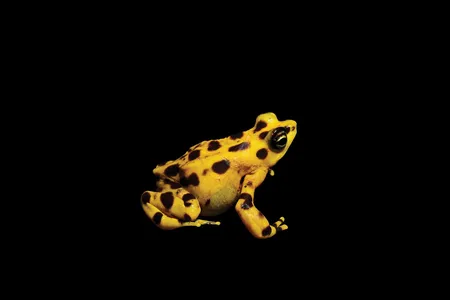
A Small Band of Panamanian Golden Frogs Is Saving Their Species From Oblivion
Victims of a deadly fungus, the amphibians are now being selectively bred through a program at the Smithsonian’s National Zoo

Watch Giant Pandas and Other Zoo Animals Frolic in the Snow
The weekend’s winter snowfall in Washington, D.C. delighted the giant pandas, red pandas, Andean bears and other critters at the National Zoo

Smithsonian’s Giant Pandas Will Continue to Cavort for Three More Years
A new agreement ensures that the Zoo’s beloved animals and the new cub can stay through 2023
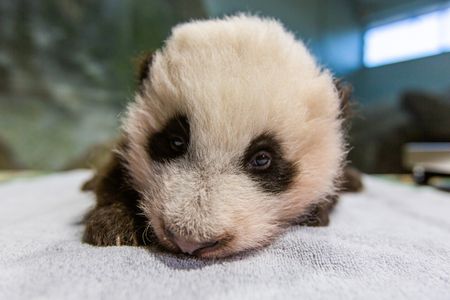
The National Zoo Reveals Its New Panda Cub’s Name
Members of the public voted to name the three-month-old cub Xiao Qi Ji, or “little miracle”
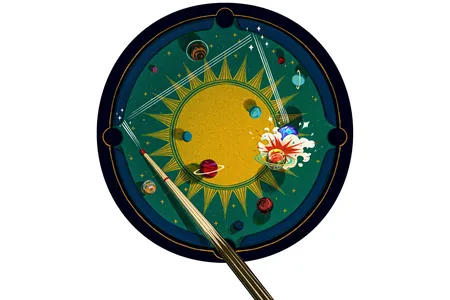
Why Do the Planets All Orbit the Sun in the Same Plane?
You’ve got questions. We’ve got experts

The Smithsonian’s National Zoo is one of the top leaders in giant panda conservation
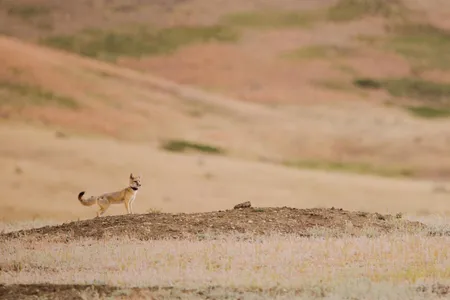
Tribes Reintroduce Swift Fox to Northern Montana’s Fort Belknap Reservation
After absence of more than 50 years, the pint-sized predator returns to the prairie
Page 3 of 14