
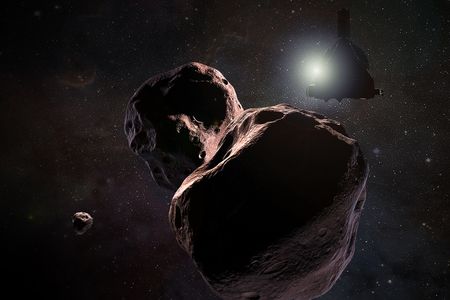
Ring in the New Year With NASA’s Most Distant Planetary Encounter in History
The New Horizons spacecraft is on final approach to the distant Kuiper Belt Object, Ultima Thule, and you can follow along live
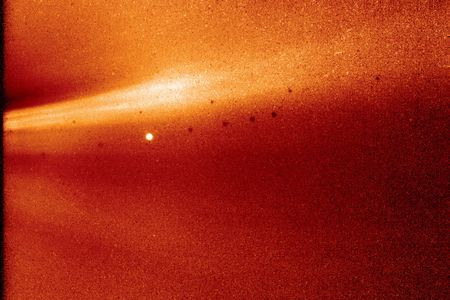
Solar Probe Sends Back First Image and Data From the Sun
The Parker Solar Probe survived its first swoop around our star and will get even closer on its next two dozen trips

NASA Won’t Be Going ‘Back’ to the Moon—It Wants to Go Beyond It
At a 50th-anniversary event for Apollo 8, NASA’s Jim Bridenstine envisioned the moon’s potential for future space exploration
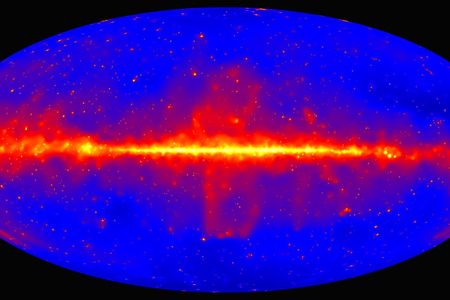
This Is How Much Starlight the Universe Has Produced
4,000,000,000,000,000,000,000,000,000,000,000,000,000,000, 000,000,000,000,000,000,000,000,000,000,000,000,000,000 photons over 13.7 billion years
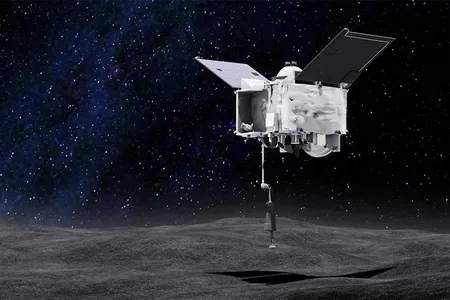
Asteroid Sample-Return Mission Arrives to Collect Primordial Rocks of the Solar System
As the OSIRIS-REx spacecraft arrives at its target asteroid Bennu, scientists on the ground prepare for a new bounty of planetary samples
2018 Smithsonian Ingenuity Awards
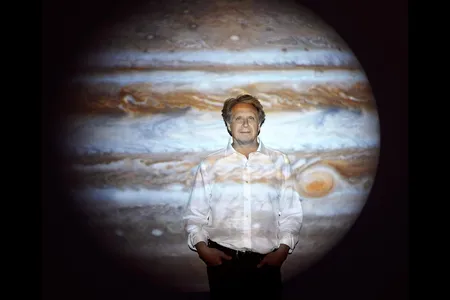
Meet Scott Bolton, the Visionary Behind the NASA Mission to Jupiter
The Juno project will take on the mysteries of the gas giant that may in turn help us understand our own planet’s origins
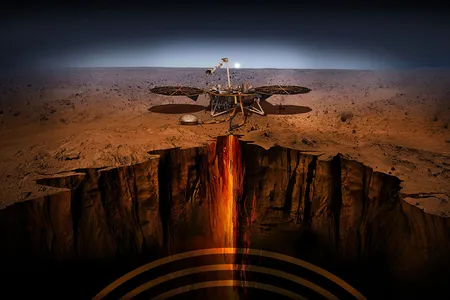
NASA Will Attempt Its Eighth Mars Landing on Monday
Touching down on the surface of the Red Planet is one of the most difficult engineering challenges ever attempted, and InSight is about to give it a go
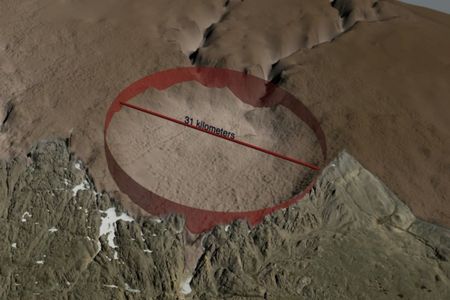
Massive Impact Crater Found Under Greenland’s Ice
Radar scans and sediment samples indicate a large meteorite blasted through the ice sheet between 3 million and 12,000 years ago
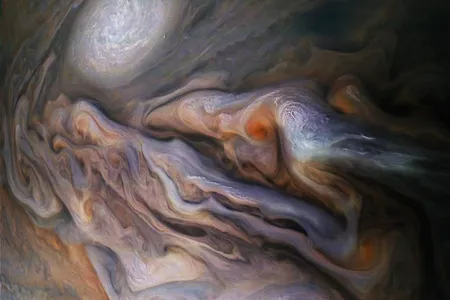
Juno’s Latest Photo of Jupiter Is Breathtaking
The image, processed from JunoCam’s raw data, shows storms and winds in the planet’s Northern Temperate Belt
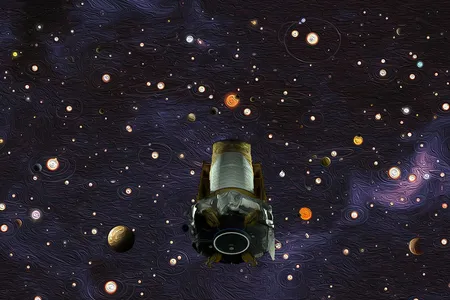
Kepler Space Telescope, Revealer of New Worlds, Officially Shuts Down After Historic Mission
Launched in 2009, Kepler discovered thousands of new exoplanets before finally running out of fuel earlier this month
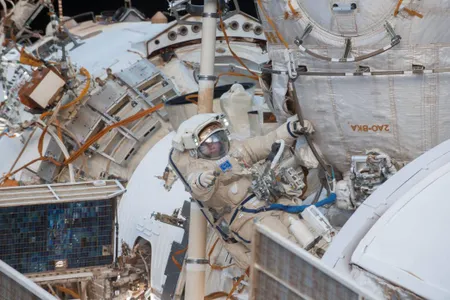
Hanging Out in Space Deforms Brain Tissue, New Cosmonaut Study Suggests
While gray matter shrinks, cerebrospinal fluid increases. What’s more: These changes do not completely resolve once back on Earth.
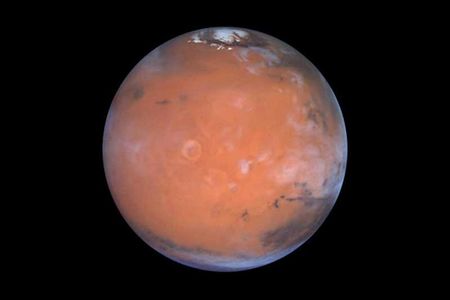
Salty Water Under the Surface of Mars Could Have Enough Oxygen for Life
New models suggest subsurface water could absorb enough oxygen to support microbial communities and even things like sponges
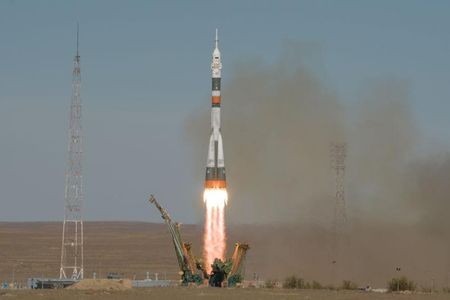
Astronauts Survive Emergency Landing After Russian Rocket Launch Fails
The two crew members landed safely in Kazakhstan after aborting the spaceflight to conduct a high-speed reentry procedure
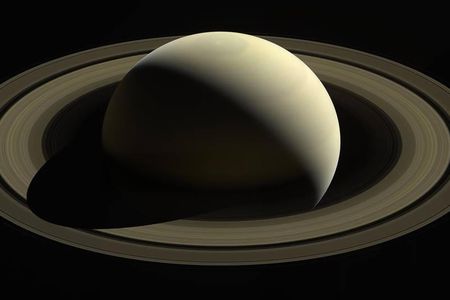
Saturn’s Rings Rain Organic Compounds Into Its Atmosphere
The Cassini probe’s final flybys show that 22,000 pounds of material per second drops from the rings into the planet’s ionosphere
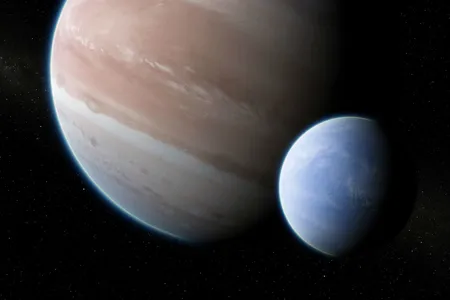
Astronomers Find What May Be First Exomoon—And It’s an Absolute Unit
Astronomers suspect that there’s Neptune-sized celestial body trailing an exoplanet about 8,000 light years
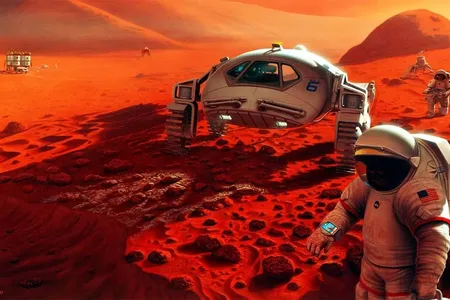
Explorers Will Face Dangerous Amounts of Radiation On Their Trip to Mars
New data from the Mars Trace Gas Orbiter shows just the flight there and back alone will expose astronauts to 60 percent the lifetime radiation dose
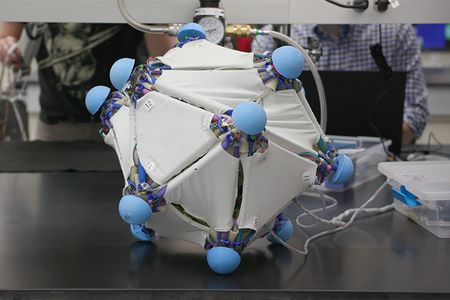
These “Robotic Skins” Turn Everyday Objects Into Robots
A team at Yale University has developed flexible robotic sheets that can make just about anything move
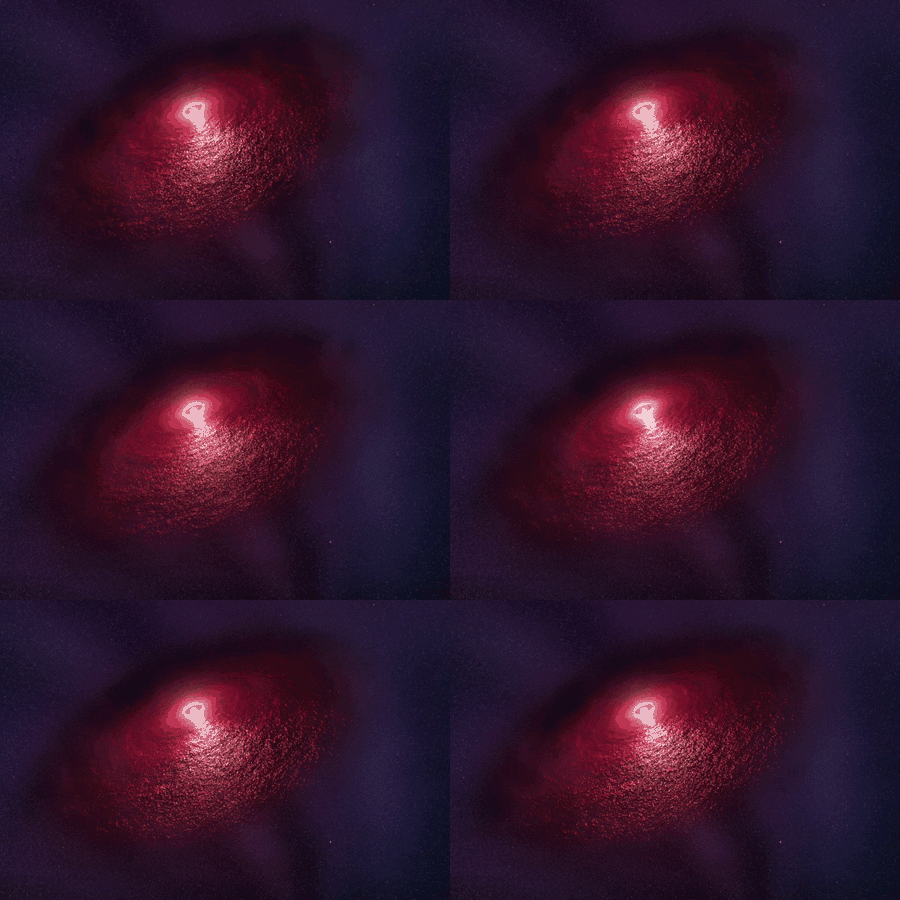
This Pulsar is Giving Off Weird Infrared Light and We’re Not Sure Why
Researchers believe a disk of dust from a supernova or a pulsar wind nebula could explain the strange energy signal
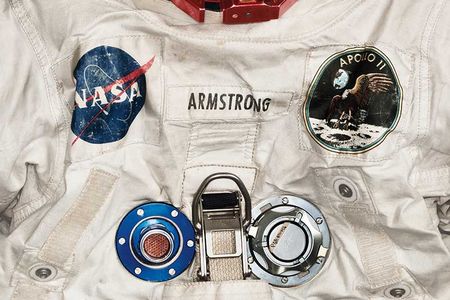
The Latest on the Kickstarter Campaign to Conserve Neil Armstrong’s Spacesuit
As a new biopic blasts off, the protective suit worn by the ‘First Man’ on the moon is readied for its star turn
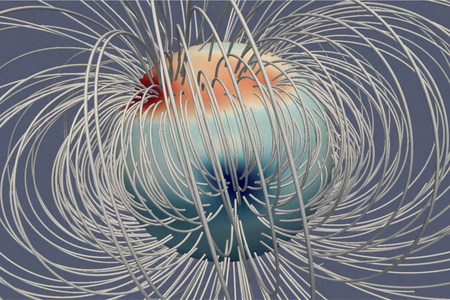
Jupiter’s Magnetic Field Is Super Weird and Has Two South Poles
Analysis of data from the Juno probe shows the giant planet’s field is much different from our own and suggests it has a dissolved core
Page 29 of 49