

Behold This ‘Cosmic Yeti,’ a Monster Galaxy From the Beginning of Time
Astronomers recently spotted 12.5 billion-year-old light from the giant galaxy, which helps explains the evolution of the early universe
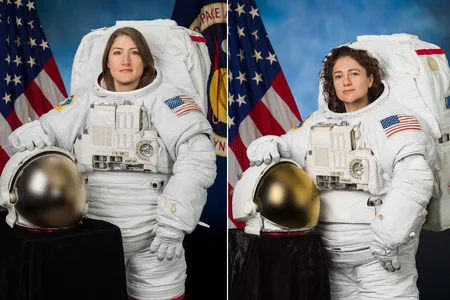
Watch the First All-Female Spacewalk
Astronauts Christina Koch and Jessica Meir will exit the International Space Station to replace a power controller that failed last weekend
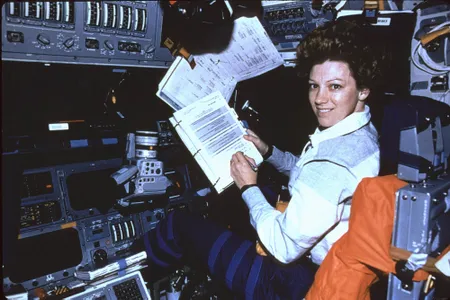
What It Was Like to Become the First Woman to Pilot and Command a Space Shuttle
Eileen Collins talked to Smithsonian about her career in the Air Force and NASA, women in aerospace and more
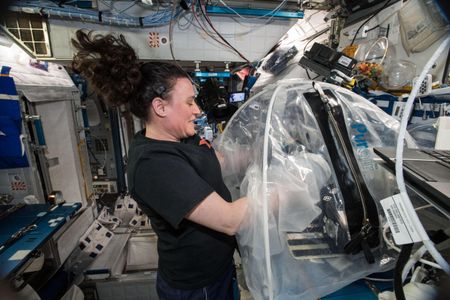
Why Astronauts Are Mixing Cement Aboard the International Space Station
Experiments show that cement will set in space, but moon colonists may have to tweak the mixture to make it work in low gravity

Water Vapor Detected in the Atmosphere of an Exoplanet in the Habitable Zone
The planet K2-18b, about 110 light-years away, could have swirling clouds and falling rains of liquid water droplets
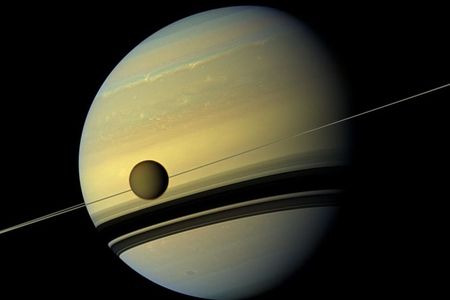
Dragonfly Spacecraft to Scour the Sands of Titan for the Chemistry of Life
The NASA rotorcraft, resembling a large quadcopter drone, will fly through the orange clouds of the ocean moon in the outer solar system

A Crashed Spacecraft Might Have Put Earth’s Most Indestructible Organisms on the Moon
The microscopic tardigrades were part of a lunar library sent aboard the Beresheet lander that crashed last April
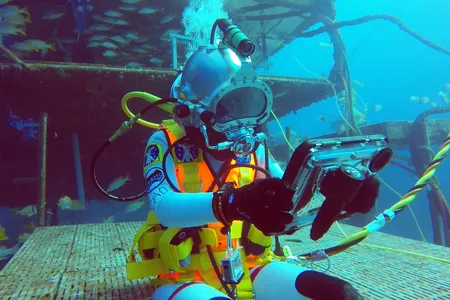
NASA Scientists and Astronauts Practice for Space Missions on the Seafloor
A female-led crew trained for nine days in an undersea laboratory in the Atlantic to get a sense of what it’s like to live and work in microgravity

Imagining a World Where Soviets and Americans Joined Hands on the Moon
Before he was assassinated, JFK spoke of a cooperative effort in space
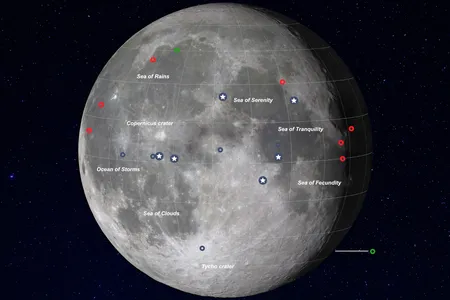
Interactive Map Shows All 21 Successful Moon Landings
Humans have walked on the moon six times, and robotic probes have been touching down on the lunar surface for decades—but there is still much to explore
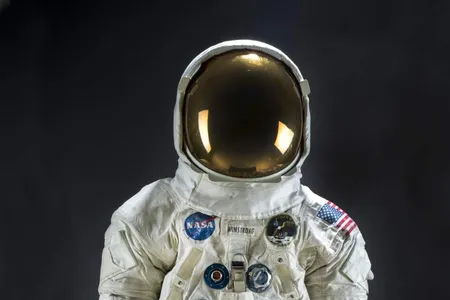
Apollo at 50: We Choose to Go to the Moon
The spacesuit, which Armstrong wore when he walked on the moon during Apollo 11, is available for public viewing and as a 3-D model online
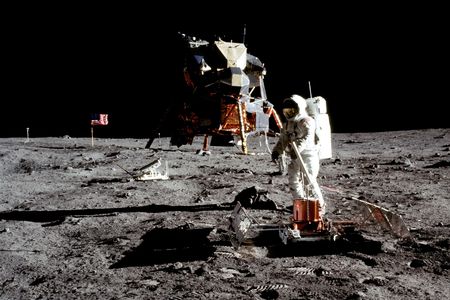
Apollo at 50: We Choose to Go to the Moon
The Best Books About the Apollo Program and Landing on the Moon
From astronaut autobiographies to definitive accounts from leading historians, these are the must reads about the landmark mission
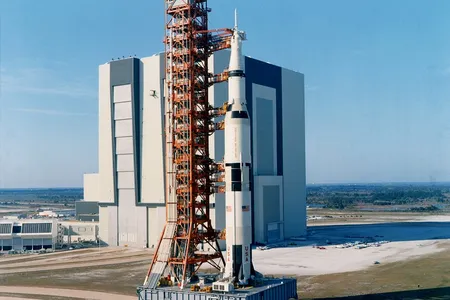
Apollo Engineers Discuss What It Took to Land on the Moon
The people who bent metal and built spaceships recall the culture and leadership that made it possible to send humans to the lunar surface
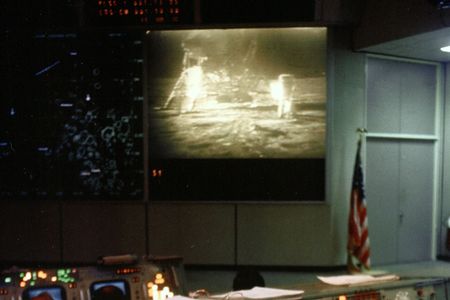
Apollo at 50: We Choose to Go to the Moon
A Wind Storm in Australia Nearly Interrupted the Moon Landing Broadcast
As Neil Armstrong and Buzz Aldrin walked on the moon, radio telescope operators in New South Wales scrambled to receive the live video
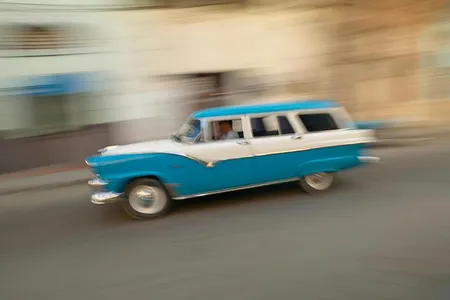
From the Family Station Wagon to the Apollo Lunar Rover, My Dad’s Engineering Talent Had No Limits
Stricken with polio as an adult, he retired from the military and joined NASA’s ingenious design team
Apollo at 50: We Choose to Go to the Moon
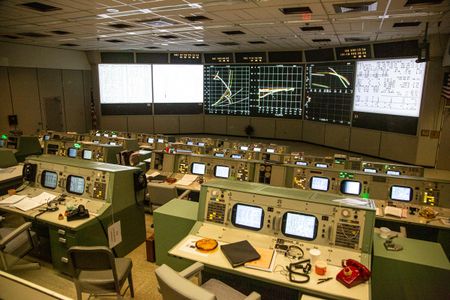
Restored Apollo Mission Control Center Brings the Moon Landing Era to Life
Decommissioned in 1992, the site is now open to public tours

Apollo at 50: We Choose to Go to the Moon
Montgomery worked closely with the Apollo astronauts to train them to use handheld tools and equipment on the moon
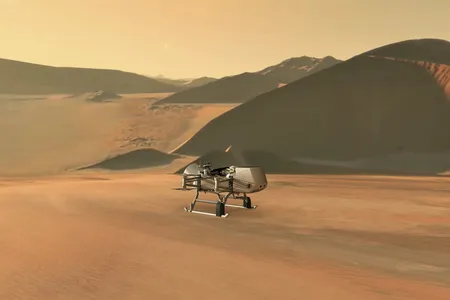
NASA’s Dragonfly Mission Will Fly Through the Clouds of Titan, Saturn’s Biggest Moon
Over the course of its initial 2.7-year mission exploring Titan, the dual-quadcopter will fly a combined total of more than 108 miles
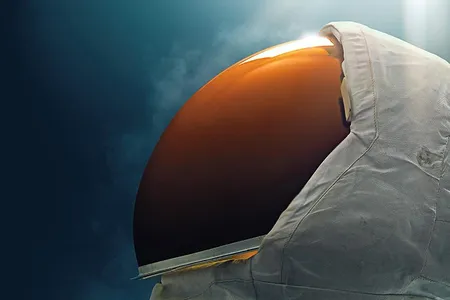
Apollo at 50: We Choose to Go to the Moon
What You Didn’t Know About the Apollo 11 Mission
From JFK’s real motives to the Soviets’ secret plot to land on the Moon at the same time, a new behind-the-scenes view of an unlikely triumph 50 years ago
Apollo at 50: We Choose to Go to the Moon
A collection of stories to celebrate the semicentennial of the Apollo 11 mission
Page 27 of 49