
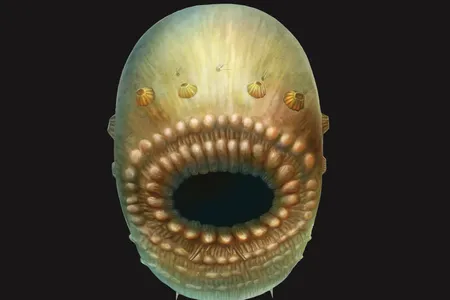
Bag-Like, Big-Mouthed Sea Creature Could Be Earliest Human Ancestor
This minute wriggly sea blob could represent some of the earliest steps along the path of evolution
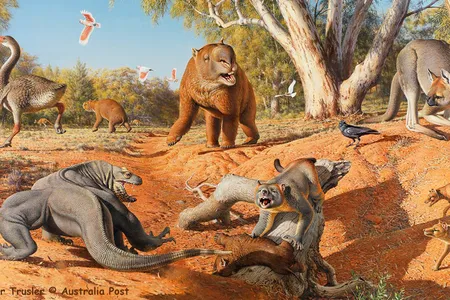
Changing Climate, Not Humans, Killed Australia’s Massive Mammals
But that mass extinction could help us predict what today’s human-wrought climate change may bring

The Quest to Return Tomatoes to Their Full-Flavored Glory
We’ve bred the original tomato taste out of existence. Now geneticists are asking: Can we put it back?
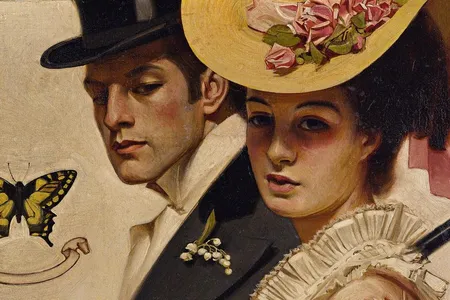
How Victorian Gender Norms Shaped the Way We Think About Animal Sex
No, females aren’t always choosy and males don’t always get around

One in Five People May Be Able to “Hear” a Flash of Light
Once thought to be a rare condition, some forms of synesthesia may be fairly common
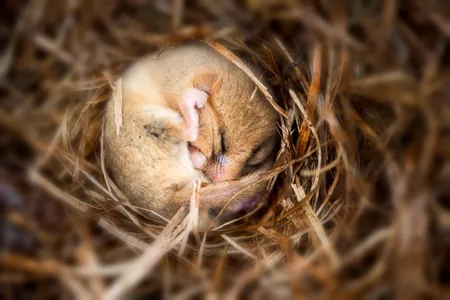
Can Humans Ever Harness the Power of Hibernation?
Scientists want to know if astronauts can hibernate during long spaceflights. First, they need to understand what hibernation is
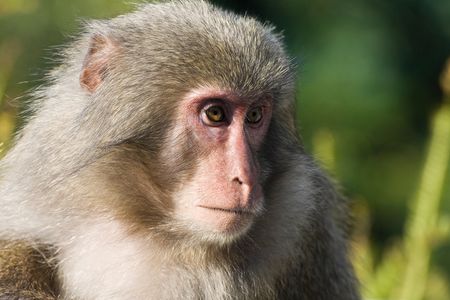
A Wise Monkey Knows How Little He Knows
Japanese scientists find that macaque monkeys, like humans, know the limits of their own memory
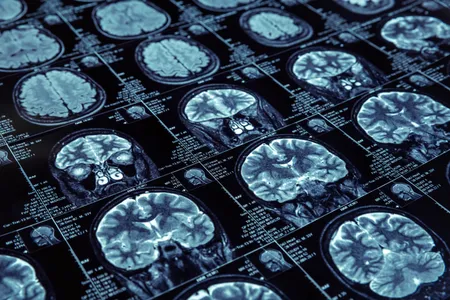
The Part of Your Brain That Recognizes Faces Continues Growing Later in Life
That is, at least until you hit 30
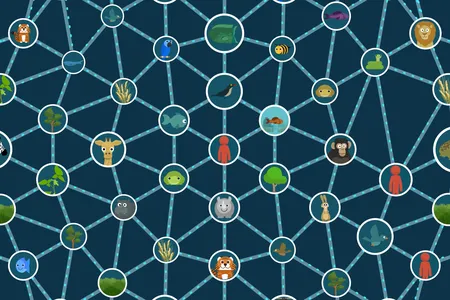
Video: Why Should Humans Care About Preserving the Diversity of Life on Earth?
This animation explains that humans don’t just impact the interconnected web of life—we depend on it
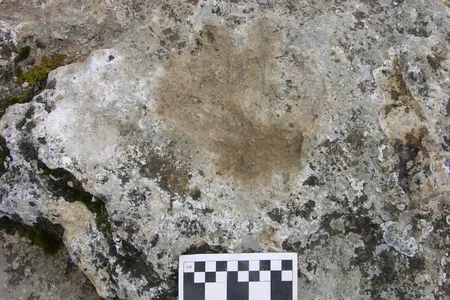
Footprints Found at Ancient Hot Springs Could Represent Earliest Settlement of Tibetan Plateau
New age measurements of the footprints help pinpoint when humans first settled the highest region on Earth
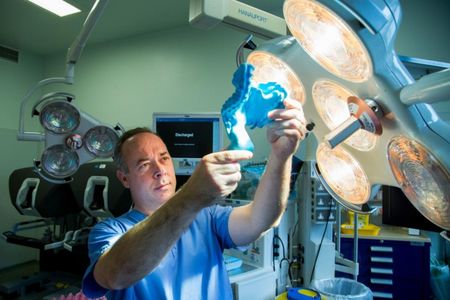
Meet Your Newest Organ: The Mesentery
Scientists are calling for an upgrade in classification of this vital gut membrane
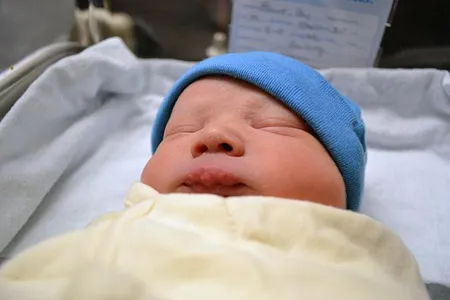
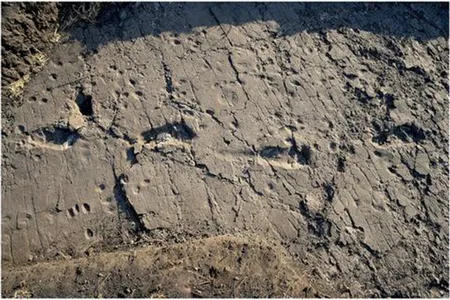
Fossil Footprints Show Movements of Our Early Ancestors
The trace fossils found in Tanzania spurred a debate about how early hominids lived
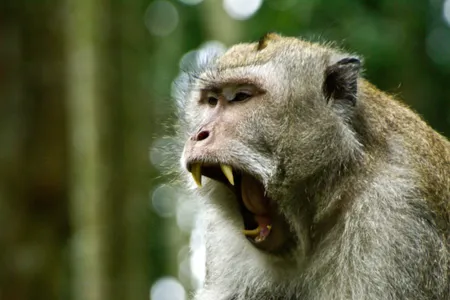
What’s Really Keeping Monkeys From Speaking Their Minds? Their Minds
When it comes to language, primates have all the right vocal equipment. They just lack the brains
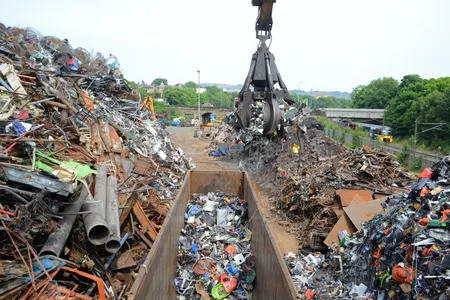
Humans Have Bogged Down the Earth with 30 Trillion Metric Tons of Stuff, Study Finds
The authors say this is more proof that we are living in an Age of Humans—but not all scientists agree
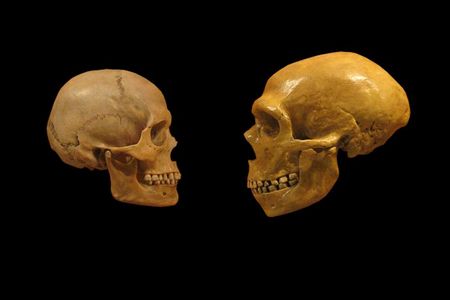
Why Humans Don’t Have More Neanderthal DNA
The mutations humans acquired from Neanderthals are slowly being purged from the genome overtime
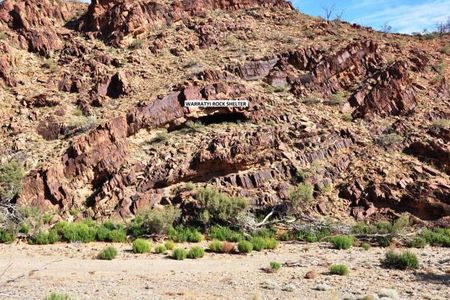
Aboriginal Australians Lived In Country’s Interior 10,000 Years Earlier Than Thought
Excavations at a rock shelter in the Flinders Range shows people were there 49,000 years ago, hunting megafauna and developing new tools
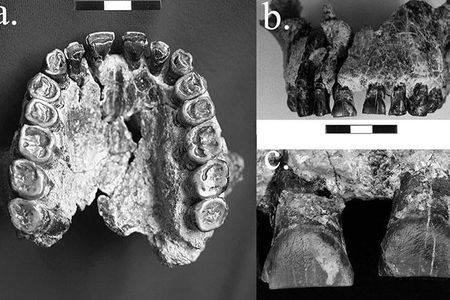
Two-Million-Year-Old Jaw Has a Lot to Say About the Origins of Human Handedness
Scientists have discovered one of the earliest examples of handedness in an ancient human
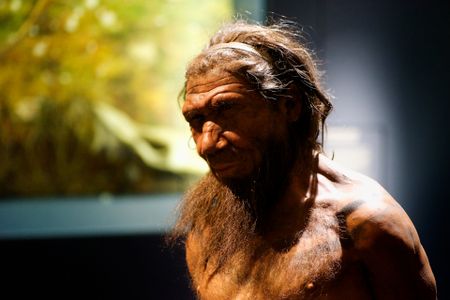
Neanderthals May Have Given Us Both Good Genes and Nasty Diseases
DNA analysis shows ancient hominds transmitted genes that may have helped us adapt quicker to Europe and Asia. They also gave us HPV.

Wild Monkeys Unintentionally Make Stone Age Tools, But Don’t See the Point
Scientists observe a “unique” human behavior in wild animals
Page 19 of 25