Subscribe to Smithsonian magazine and get a FREE tote.

History

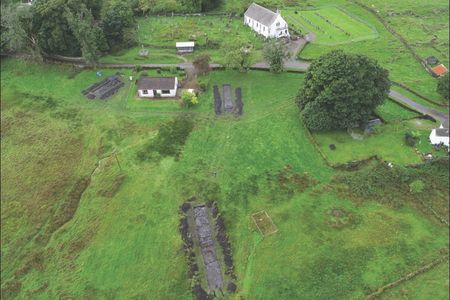
An aerial view of the archaeological trenches dug around Lismore's parish church, a 13th-century cathedral

Cool Finds

A Community-Led Archaeology Dig on a Tiny Scottish Isle Has Unearthed a Medieval Monastery of ‘International Importance’

The settlement, founded by an early Christian saint in the 500s, is “far more than a small island church.” It may have played a larger role in the Christianization of Britain than historians once realized
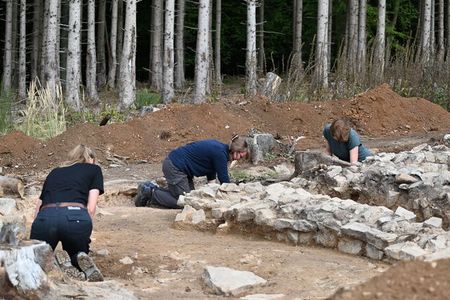
Archaeologists have been digging at the Kapersburg fort for many years.

Cool Finds

Just Inches Below the Forest Floor, Archaeologists in Germany Unearthed a Roman Temple Likely Dedicated to Mars, the God of War

Researchers found the structure’s remains, as well as fragments of statues, while excavating near the Kapersburg fort, an ancient Roman military fortification on the outskirts of modern-day Frankfurt
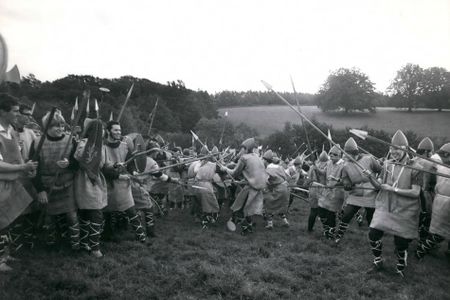
Students from the universities of Kent and Sussex fighting at the first Battle of Hastings re-enactment on October 14, 1966

Cool Finds

Hundreds of British College Students Clashed With Wooden Swords in a 1966 Re-enactment of the Battle of Hastings. Watch the Rediscovered ‘Time Capsule’ of Lost Footage

A local videographer shot 300 reels of color film during the re-enactment, which shows “soldiers on foot getting remarkably close to horses” and “a rather relaxed attitude towards health and safety.” The event sparked an annual tradition that continues to this day
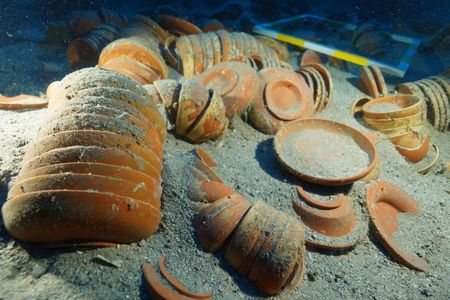
The dishes were packed carefully, and many remained intact.

Cool Finds

A Ship Carrying Stacks of Ancient Dishware Sank Off the Coast of Turkey 2,100 Years Ago. Its Ceramic Cargo Is Still Remarkably Intact

Researchers believe that the vessel’s plates and bowls were made in the ancient city of Rhosus, once praised by Roman statesman Cicero for its “fine pottery”
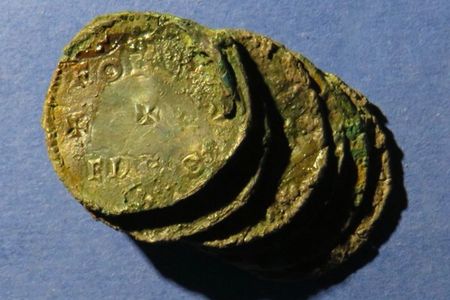
Twenty coins discovered in Rome may be the first physical evidence of a "Little England" enclave.

Cool Finds

What Are Medieval English Coins Doing in Rome? They Could Be Rare Evidence of a ‘Little England’ Enclave That Received Special Papal Privileges

Researchers argue that the tenth-century coins provide new evidence of a bustling English community located next to the Vatican that was permitted to use its own currency
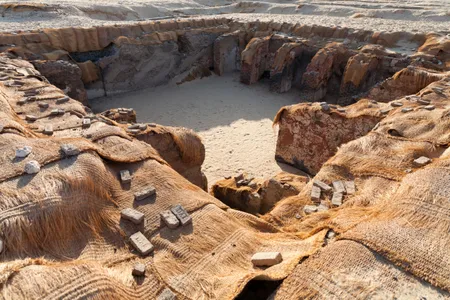
The tomb of King Djer in Abydos

New Research

New Research Shows That These Ancient Egyptian Servants May Have Been Brutally Sacrificed and Buried Alongside Their Pharaohs

Forensic research has identified deliberate and fatal wounds on skulls from simple grave sites near First Dynasty royal tombs in Upper Egypt
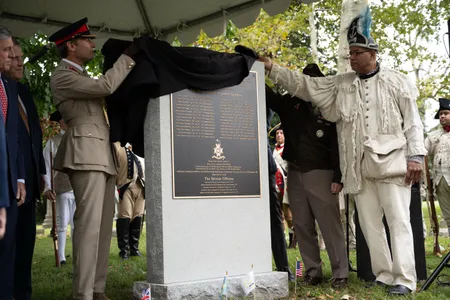
Officials unveiled the memorial for the Revolutionary War soldiers at the Wilmington and Brandywine Cemetery on September 23.

These Soldiers Were Buried in an Unmarked Grave During the Revolutionary War. Now, Historians Finally Know Their Names

At a recent memorial ceremony, officials honored 28 Continental soldiers and at least 38 British soldiers who were buried in Wilmington, Delaware, nearly 250 years ago

Researchers say their geophysical surveys are only the beginning. 

The Roman City of Claudivium Disappeared From Historical Records Almost 2,000 Years Ago. It May Have Been Hiding in Austria

Archaeologists have discovered a previously unknown settlement on the banks of the Danube River
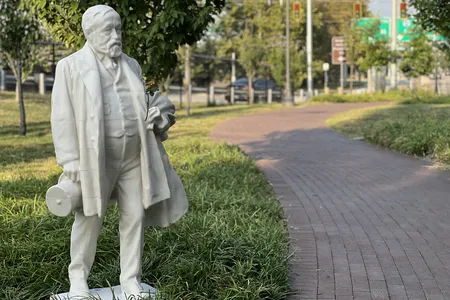
The life-size statue depicted Benjamin Harrison, the nation’s 23rd president.

An Arson Investigation Is Underway After a Suspected ‘Senseless Act of Vandalism’ Destroys a Newly Installed Benjamin Harrison Statue

The 3D-printed piece was created by students and faculty at Indiana University Indianapolis and had been installed on September 16
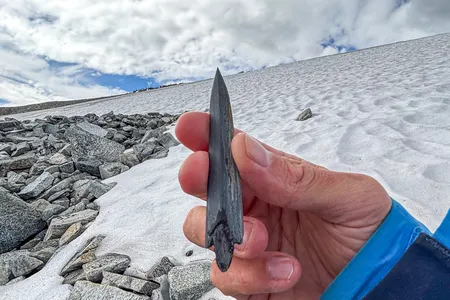
Archaeologists found a slate arrowhead they estimate to be between 5,000 and 6,000 years old.

In an Exciting but ‘Brutal’ Find, a 5,000-Year-Old Arrow Emerges From Norway’s Rapidly Melting Mountain Ice

Archaeologists discovered 48 prehistoric arrows during a recent three-week expedition in the mountains of Jotunheimen
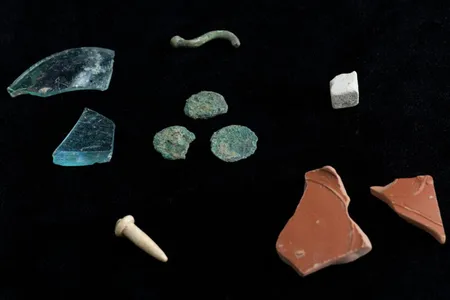
A few of the ancient Roman artifacts found beneath the Bath Assembly Rooms

When Jane Austen Took a Turn About the Ballroom in Bath, Ancient Roman Artifacts Were Hiding Beneath Her Feet. Now, Archaeologists Have Finally Found Them

Recent excavations at the Bath Assembly Rooms in England revealed Roman-era coins, roof tiles, pottery, glassware, a network of ditches and a fragment of a military helmet
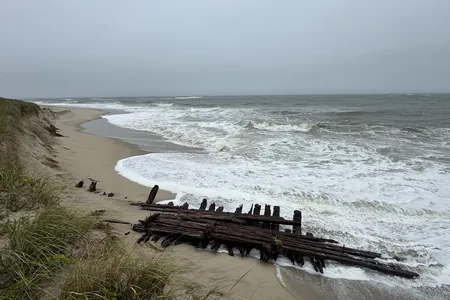
Jason Graziadei, editor in chief of the Nantucket Current, snapped this photo after getting a tip from a reader.

In 1884, Gale-Force Winds Ran a Ship Aground Near Cape Cod. Now, the Nor’easter Lashing the East Coast May Have Uncovered Part of It

The wreckage could belong to the “Warren Sawyer,” a three-masted cargo schooner that foundered more than 140 years ago
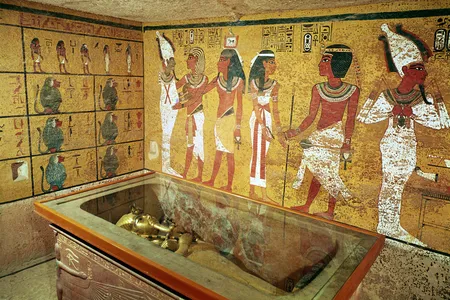
The tomb of King Tutankhamun in Egypt

New Research

Mysterious ‘Anomalies’ Have Been Detected Beyond King Tut’s Tomb. Could They Be Secret Passageways Leading to the Long-Lost Remains of Queen Nefertiti?

Geophysical surveys provide new evidence for a theory that the Egyptian pharaoh was interred in the outer rooms of an existing burial complex. Researchers are trying to get approval to investigate for themselves
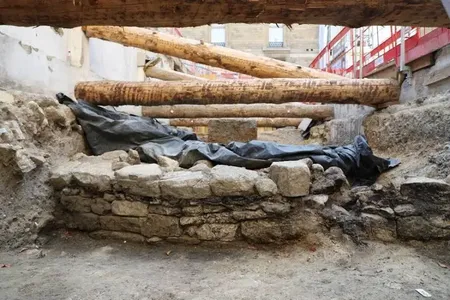
The wall is made of stone and wood; initial radiocarbon dating places its origin between 200 B.C.E. and 10 B.C.E.

Two Thousand Years Ago, Julius Caesar Conquered the Settlement That Eventually Became Paris. Archaeologists May Have Just Found It

While conducting excavations at a hospital on the Île de la Cité, in the Seine River, researchers discovered part of a wall that may have once protected Lutetia, the Gallic precursor to France’s capital
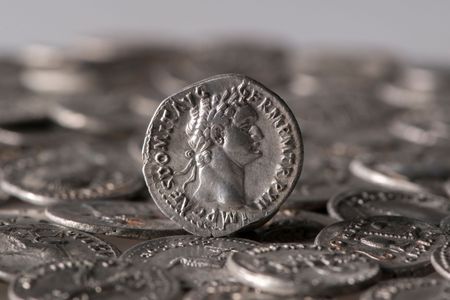
Together the coins weigh nearly seven pounds.

A Metal Detectorist Exploring a Field in Germany Was Stunned to Discover a Massive Hoard of Roman Coins

Together, the 943 silver denarii span nearly 300 years of Roman history, from 148 B.C.E. to 124 or 125 C.E.
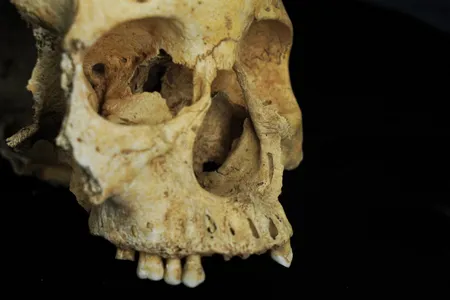
The woman was buried facedown, a position suggestive of punishment or discrimination.

This Woman Who Lived in 14th-Century China May Have Had Her Nose Cut Off as Punishment for Theft or Adultery

Researchers found signs of healing on her 700-year-old skull, which suggests that she survived the painful sanction—and may even have gone on to wear a prosthesis
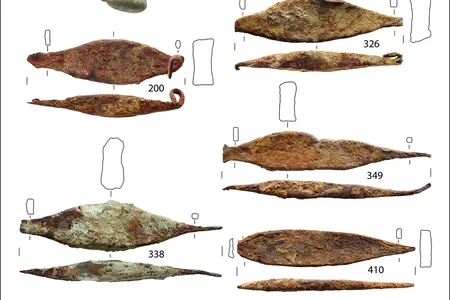
The researchers discovered complete iron bars as well as fragments.

Workers Extracting Gravel From the Danube River Dredged Up a 2,200-Year-Old ‘Rusty Treasure’ That Could Have Equipped an Army

The cache comprises the remains of at least 500 iron bars, which were likely headed downstream to be forged into finished products
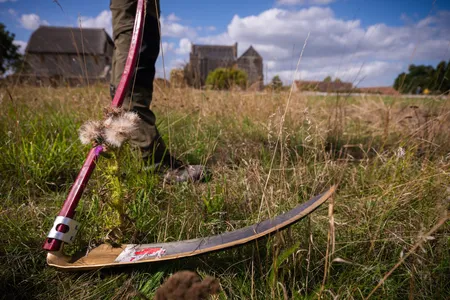
The scythe is a less invasive tool for cutting grass than a lawnmower.

A Cutting-Edge English Initiative Replaces Lawnmowers With Scythes to Restore Wildflowers and Save the Bees

English Heritage has recruited volunteers to mow meadows the old-fashioned way at some of its historic sites
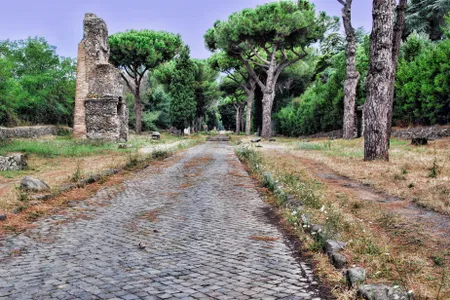
Via Appia is considered the oldest great Roman road.

New Research

Researchers Have Analyzed the Roman Empire’s 190,000-Mile Network of Roads. Turns Out, Not All of Them Led to Rome

For a new study, archaeologists attempted to answer age-old questions about Rome’s roads, including how connected the capital was and whether current motorways trace Roman routes
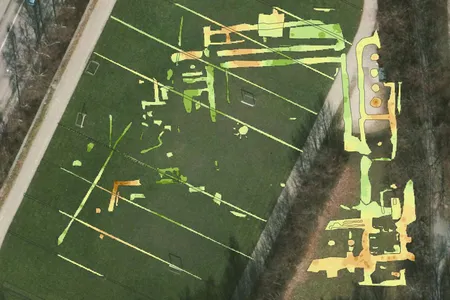
The survey uncovered surviving remnants of structures from the 13th-century convent.

Cool Finds

The Ruins of a Long-Lost Medieval Convent Have Been Discovered Just a Few Feet Beneath a Soccer Field

St. Clare’s Convent closed in the 16th century, and researchers assumed all traces of it had been lost. But a new ground-penetrating radar survey revealed surprisingly intact remains of pillars, rooms, cloisters, a courtyard and a church

Page 4 of 131