

Are Blade Runner’s Replicants “Human”? Descartes and Locke Have Some Thoughts
Enlightenment philosophers asked the same questions about what makes humans, humans as we see in the cult classic
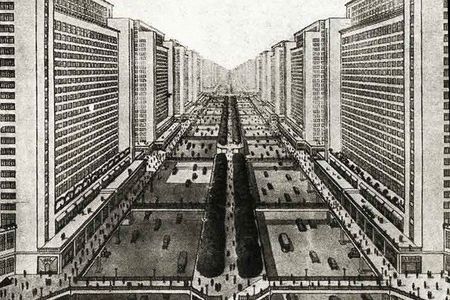
How a Controversial European Architect Shaped New York
Le Corbusier’s ideas arguably helped shape the city more than his own designs
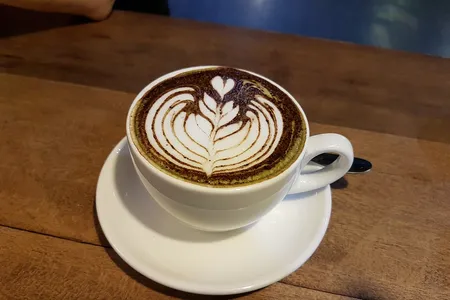
Your Mocha is Named After the Birthplace of the Coffee Trade
The port city of Mocha, in Yemen, was once a vast coffee marketplace

The Modern World Depends on Humble Cement
Portland cement is a key ingredient in one of the world’s most common materials

The Amazing, Portable, Edible Ice Cream Cone
Unlike foods that came before it, ice cream in a cone could be eaten on the go–without a spoon
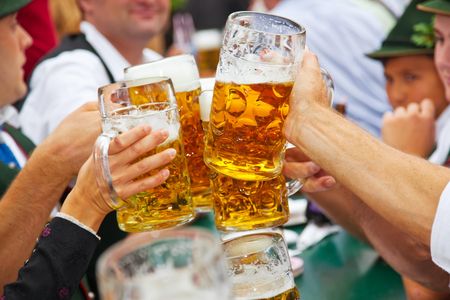
Did Lager Beer Originate In South America?
Residue from 1,000-year-old pots suggests people in Patagonia were fermenting beverages with lager yeast well before the Bavarians
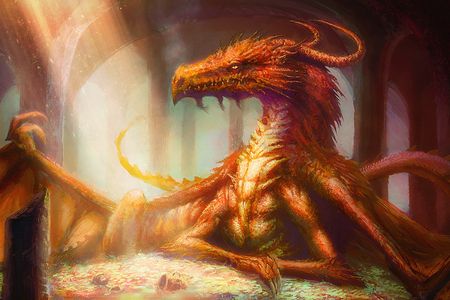
J.R.R. Tolkien Gave the World His Childhood Fascination With Dragons in ‘The Hobbit’
The dragon Smaug—who debuted in The Hobbit in 1937, was inspired by his early reading of mythology
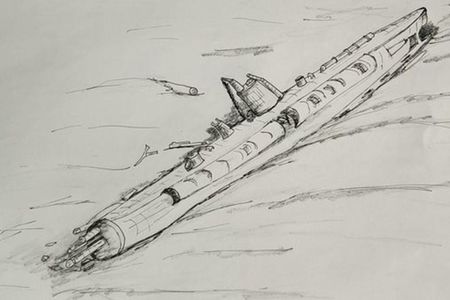
Intact WWI German U-Boat Found Off the Coast of Belgium
It’s possible that 23 bodies remain inside the main cabin of the submarine, which likely hit a mine
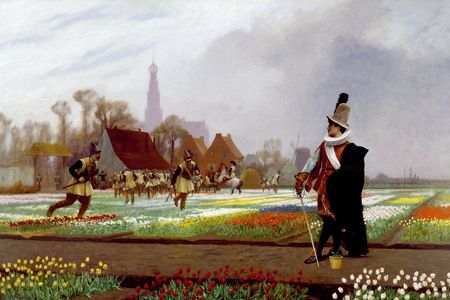
There Never Was a Real Tulip Fever
A new movie sets its doomed entrepreneurs amidst 17th-century “tulipmania”—but historians of the phenomenon have their own bubble to burst
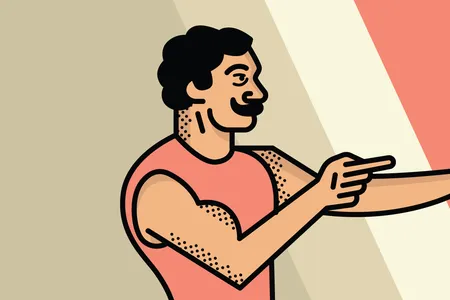
The Juggling Genius of Paul Cinquevalli
Remembering a showman who gave his life to his craft
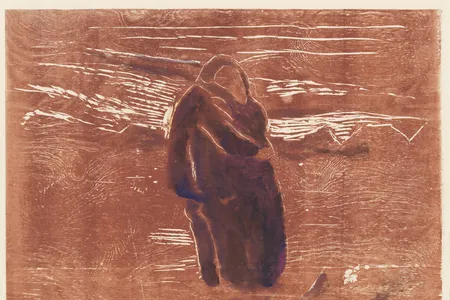
Did Edvard Munch Find a Supernatural Power in Color?
A new exhibition at the National Gallery of Art places Munch’s palette in context

Why 30,000 People Came Out to See a Swedish Singer Arrive in New York
Most of them had never even heard Jenny Lind sing
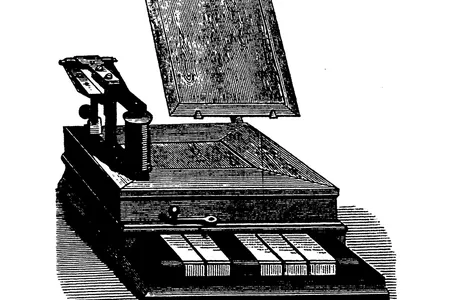
The Roots of Computer Code Lie in Telegraph Code
Émile Baudot, born a year after the first long-distance telegraph message was sent, helped advance the technology
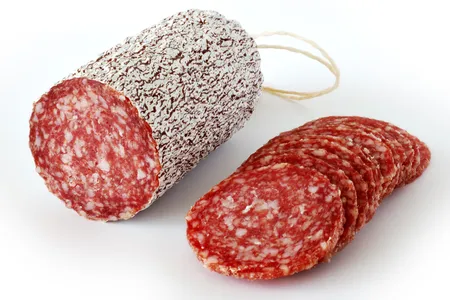
There Are Museums For Everything–Even Salami
Take a tour of a few places showcasing this international favorite
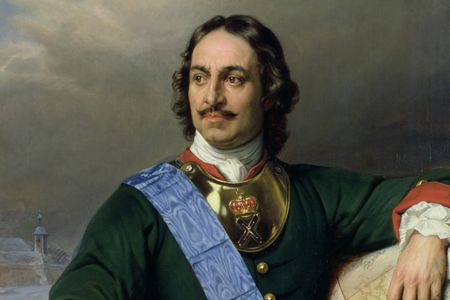
Why Peter the Great Established a Beard Tax
Between 1697-1698, the tsar visited Europe in disguise to learn about shipbuilding and Western culture. His verdict? Shave
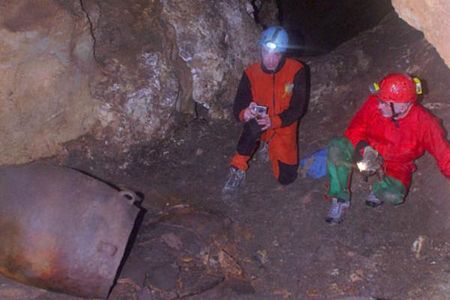
Researchers Discover Italy’s Oldest Wine in Sicilian Cave
Residue from pots found in a Sicilian cave show grape wine was produced 3,000 years earlier than thought
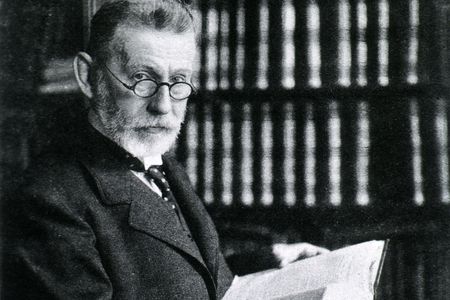
The First Syphilis Cure Was the First ‘Magic Bullet’
The term ‘magic bullet’ once just meant a targeted drug
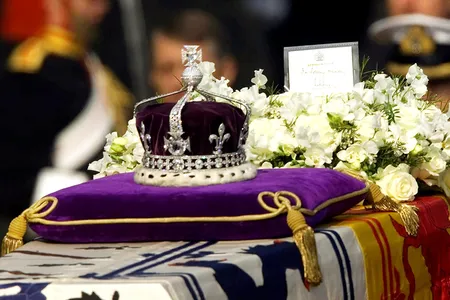
The True Story of the Koh-i-Noor Diamond—and Why the British Won’t Give It Back
A star of London’s Crown Jewels, the Indian gem has a bloody history of colonial conquest

The Father of Modern Chemistry Proved Respiration Occurred by Freezing a Guinea Pig
Where he got the guinea pig from remains a mystery
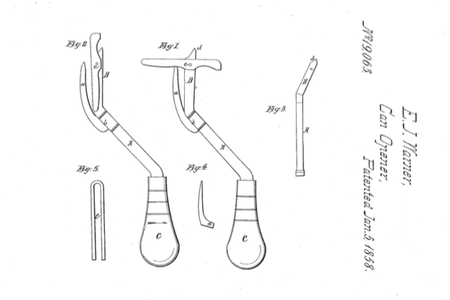
Why the Can Opener Wasn’t Invented Until Almost 50 Years After the Can
The first ‘can opener’ was a hammer and chisel
Page 65 of 82