
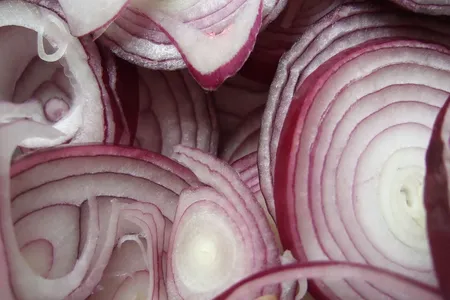
This Enzyme Is Why Onions Make You Cry
Figuring out the how the tear-inducing fumes form could give surprising insights into our own human proteins
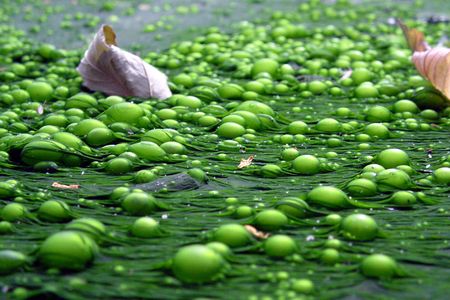
How Microscopic Algae Kick-Started Life As We Know It
Some 650 million years ago, algae took over the seas, which may have been a needed spark in the formation of complex life
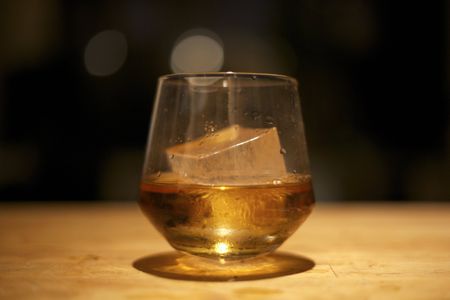
The Scientific Reason You Should Add a Splash of Water to Your Whiskey
A computer simulation shows that diluting whiskey brings flavor molecules to the surface, improving the aroma and taste of the tipple
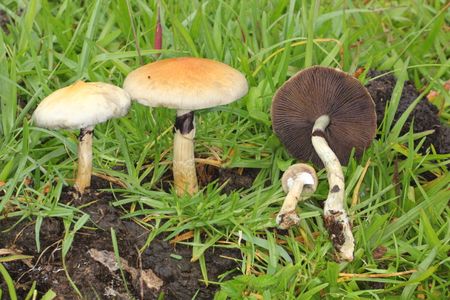
Scientists Unlock Magic Mushrooms’ Mysterious Chemical Compound
A new study has uncovered the enzymatic pathways that allow ‘shrooms to make psilocybin
Chemist Hazel Bishop’s Lipstick Wars
Bishop said her advantage in coming up with cosmetics was that, unlike male chemists, she actually used them

Napoleon’s Lifelong Interest in Science
Napoleon was a Frenchman of his time, which means he was interested in how science could do good–he just took it farther than most
Guess What? Space is Full of Booze
We’ll toast to that
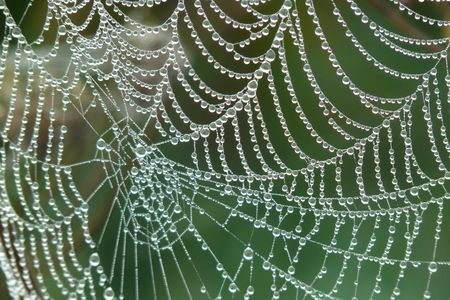
New Artificial Spider Silk: Stronger Than Steel and 98 Percent Water
Researchers at Cambridge University have developed a process for making strong, stretchy threads in an environmentally friendly way

Needle-Free Patch Makes Vaccination as Easy as Putting on a Band-Aid
The new product could be available in about five years, scientists say
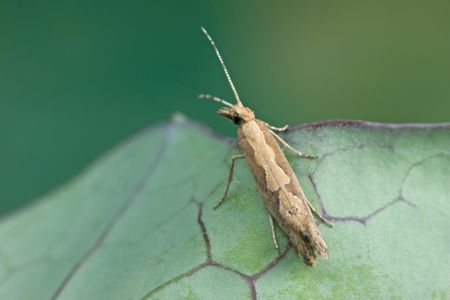
Genetically Modified Moth May Soon Be Coming to New York Crops
The move is an attempt to limit crop damage by the diamondback moth
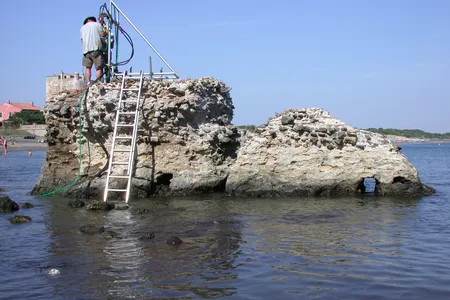
Why Ancient Roman Concrete Is So Strong
A rare chemical reaction strengthens it even today—and that could help threatened coastal communities
Do Other Animals Have Baby Teeth and More Questions From Our Readers
You asked, we answered
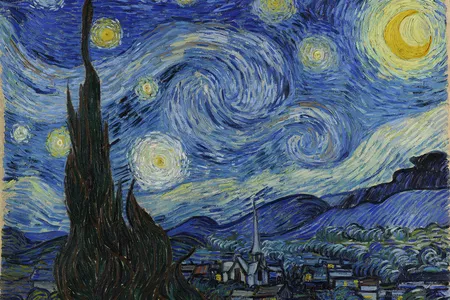
Creating a Full Palette of Blues
How the discovery of a new metal helped to change painting forever

The Great Uprising: How a Powder Revolutionized Baking
Before baking powder hit the scene in 1856, making cake was not a piece of cake
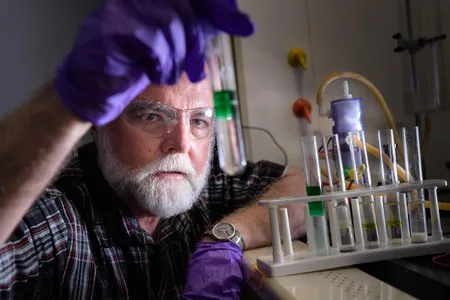
Pour to Recharge Your Electric Vehicle
Purdue University scientists have created a liquid-based battery that could one day be recharged at a gas station pump in just minutes

Researchers Give Skin Cells a Tan—Without the Sun
Without damaging UV rays, the artificial tan could give that golden glow while protecting against skin cancer.
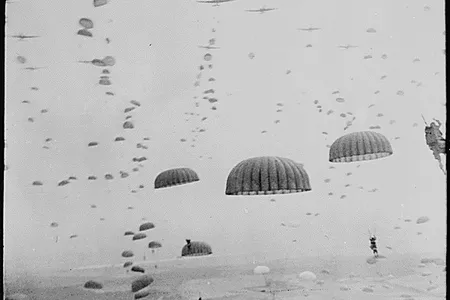
Meet the Daredevil Parachutist Who Tested the First Nylon Parachute 75 Years Ago
Adeline Gray was just 24, but she was already an experienced parachutist and a trained pilot
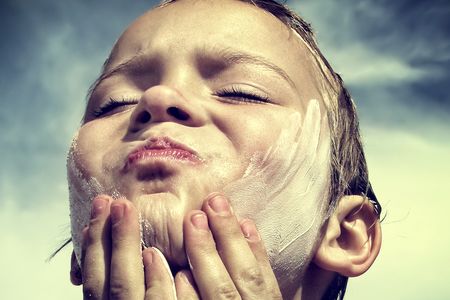
How Sunscreen Protects Your Skin’s DNA
The chemistry behind this protective lotion reflects a modern understanding of the danger of ultraviolet rays
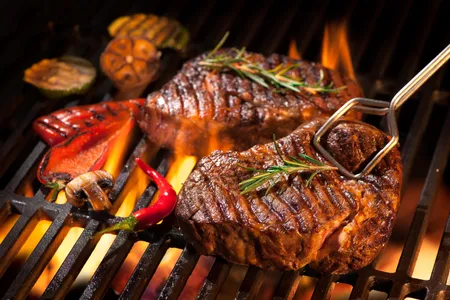
Why Food Smells So Good When It’s Browning
A complex chemical reaction called the Maillard Reaction is responsible
Page 16 of 25