
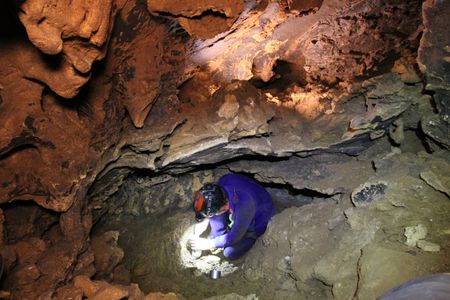
One new study suggests that the species persisted in mainland Asia for 216,000 years longer than previously thought. Another says Homo erectus was capable of living in a tropical rainforest, a discovery that turns a common extinction theory “on its head,” according to one researcher
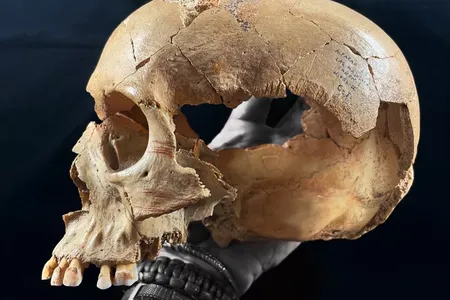
More than five decades after hordes of prehistoric bones were unearthed from three caves in Granada, new forensic techniques show how communities continued to consume their dead across distinct cultural eras
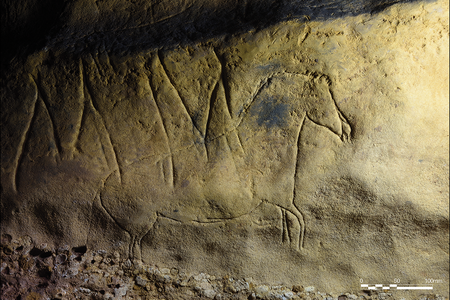
Prior to the discovery, rock art in northeastern Spain was “very scarce,” one archaeologist says. The drawings show dozens of animals, as well as more abstract shapes, which are distinct from other Paleolithic styles
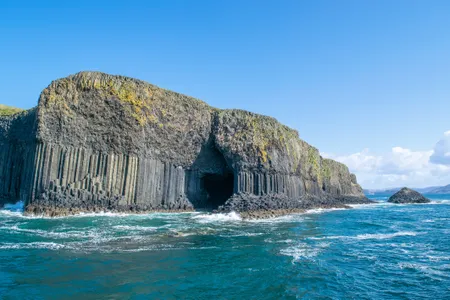
Seven Places in Europe That Legends Say Were Built by Giants, Devils or Dragons
Bridges, mountains, caves and rock formations that seem impossible to explain become magnets for folklore
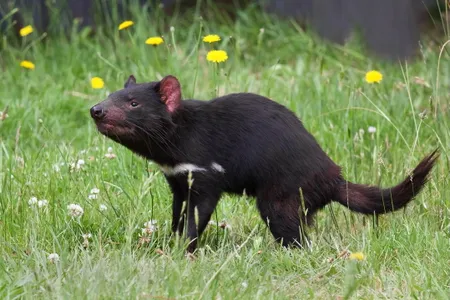
Fossils and marked bones unearthed in a Juukan Gorge cave suggest that the marsupial species not only once lived in the region but may have been a “garbage compactor on four legs” for its human population
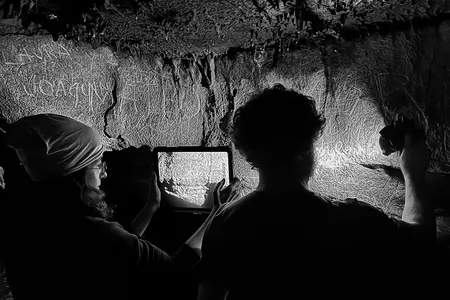
Deep Inside a Spanish Cave, Roman Women May Have Worshipped a Mysterious Goddess
Best known for its Paleolithic art, Valencia’s Cova de les Dones also contains a Roman sanctuary where researchers say women appear to have played an active role in the worship of a female deity
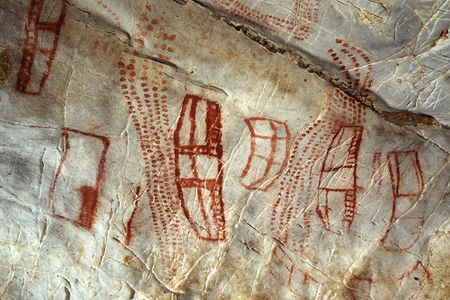
As archaeologists study the work of ancient artists, they notice that the images aren’t simply static; some are painted into the contours of the rock, and others are set in motion in torchlight

Featuring more than 1,800 sites from 181 countries and territories, UNESCO’s tentative list is a treasure trove of lesser-known marvels

Archaeologists collaborated with members of the GunaiKurnai Aboriginal community to explore layers of ash from burned grasses dating back thousands of years inside Cloggs Cave

Based on artifacts found in a limestone cave on the Mediterranean coast, scientists think the two species might have shared similar survival strategies, stone tool technologies and symbolic traditions

DNA preservation on cave walls is highly variable, but scientists say their work is an important step on the path toward gaining a deeper understanding of our creative ancestors

In Wonderwerk Cave in South Africa, burned bones were found in a dirt layer associated with Homo erectus. The inhabitants probably hadn’t mastered fire-making, but researchers say they may have moved and maintained flames from a natural fire

Did These Prehistoric Primates Really Bury Just Their Female Dead Deep in a Cave?
Researchers say that the fossilized bones of “Homo naledi,” so far found exclusively underground in South Africa, lack a key genetic male marker

The team of scientists used modern dating methods to confirm an old hypothesis by the rock art’s initial discoverers

These Snorkeling Scientists Stumbled Upon a Surprising Trove of Fossils in a Texas Water Cave
They found remains of animals that have never been uncovered in Central Texas. The fossils hint that the region was warm, moist and forested 100,000 years ago

Researchers have discovered 30 inscriptions written in Indian languages, which provide new evidence that visitors from India spent time in Egypt between the first and third centuries C.E.

These 12,000-Year-Old Scraps of Elk Hide May Be the World’s Oldest Known Examples of Sewing
Indigenous groups in present-day Oregon stitched the fragments together using cord made from plant fiber and animal hair. Experts think they may have been part of a garment, bag, container or portable shelter

The cavern along the border of Greece and Albania is home to a terrifyingly high number of two species of arachnids that live together peacefully in complete darkness

These Cavefish Lost Their Eyes, but They Gained Some Pretty Nifty Traits
Mexican tetras that got swept into pitch-black caverns had no use for the energetically costly organs

The 5,700-year-old remains exhibit signs of human consumption, including bite marks and traces of cutting, cremation and boiling
Page 1 of 8