
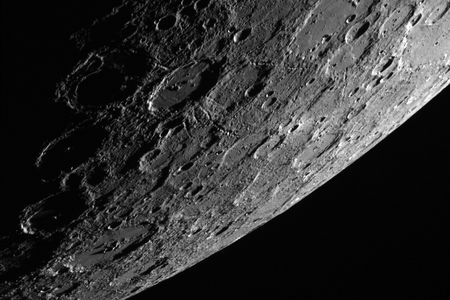
Mercury Was Once Bigger, Then It Shrank
As the planet cooled, it contracted and shut off the surface lava flows about 3.8 billion years ago
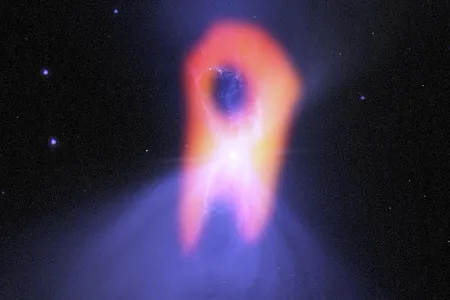
This Dying Star Is the Coldest Place We’ve Found in the Universe
The Boomerang Nebula is just one degree above absolute zero
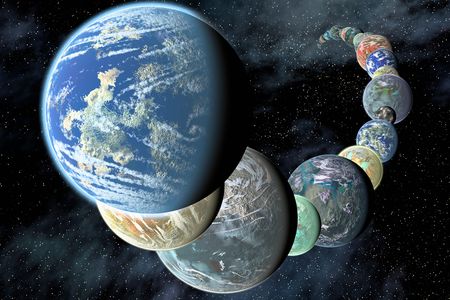
It’s Possible to See Exoplanets Without Schmancy Equipment
A cheap DSLR and some light computer processing can unveil far off exoplanets
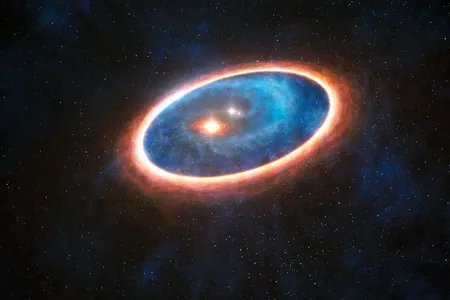
This Newly Forming Planet Will Have Three Suns
A triple-star system has two disks of gas and dust that could form planets
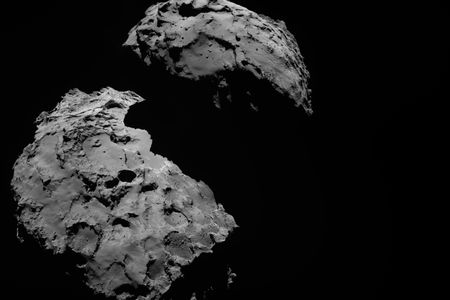
Rosetta’s Comet Smells Really, Really Bad
If you could breathe in space, you wouldn’t want to breathe this air
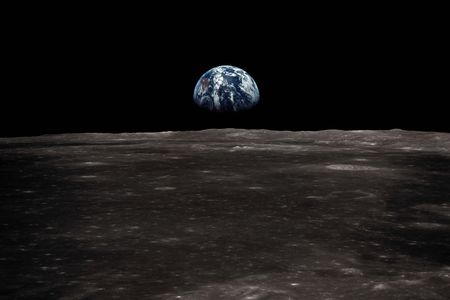
From Lightning on Jupiter to Apollo 13’s Call for Help, Hear Some of NASA’s Greatest Recordings
An audio archive captures some iconic moments of space history
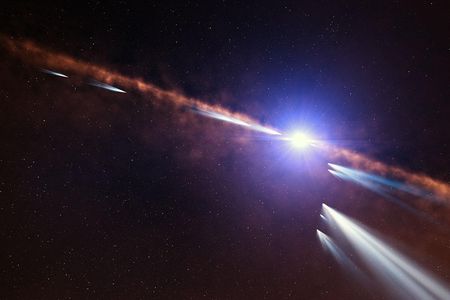
A Swarm of Comets Around an Alien Star Hints at Our Solar System’s Youth
The comets fall in two groups — one older and one younger — and have to contend with the orbit of a gas giant
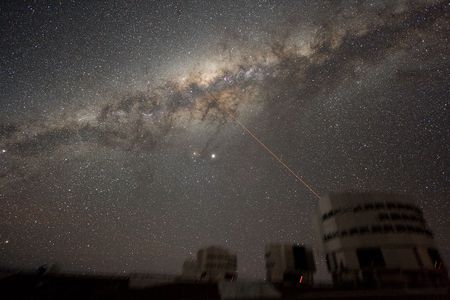
The Milky Way is Stealing Other Galaxies’ Gases
Little dwarf galaxies around the Milky Way are missing their hydrogen

The 2014 Smithsonian American Ingenuity Award Winners
These 10 innovators in science, history, society and the arts are a testament to the imagination and hard work that define the nation’s spirit
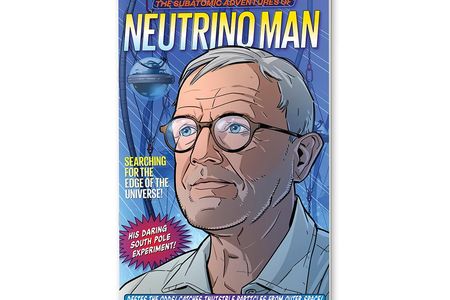
How One Physicist’s Pursuit of the Cosmos Took Off in Antarctica
Francis Halzen’s amazing experiment heralds the beginning of a new era in astronomy
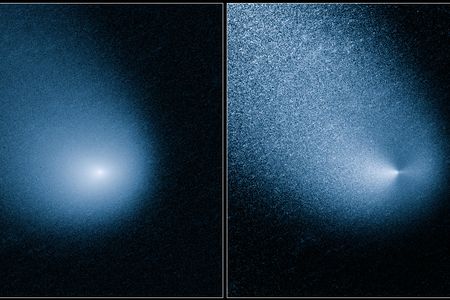
This Weekend, Astronomers Get Their Best Ever Look at an Oort Cloud Object
Looking at the Oort cloud is like looking back in time—a superpower hampered by the fact that the Oort cloud is very, very, very, very far away
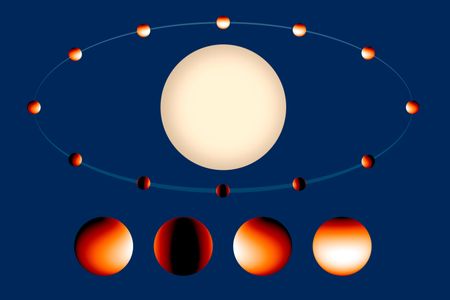
Exoplanet Has Winds That Blow at the Speed of Sound
WASP-43b wouldn’t be a great place to live
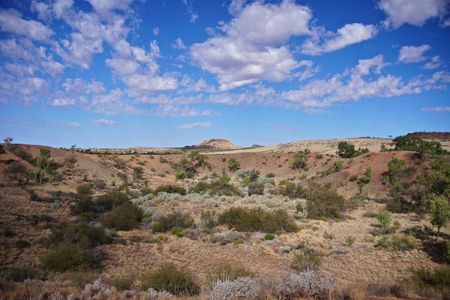
To Find Meteorites, Listen to the Legends of Australian Aborigines
Oral traditions may have preserved records of impacts over thousands of years and could lead to fresh scientific discoveries
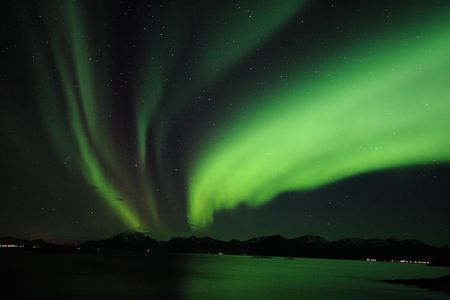
On the Hunt for the World’s Most Spectacular Sky Show
Photojournalist Randall Hyman journeys north to Tromsø, Norway, in search of the northern lights
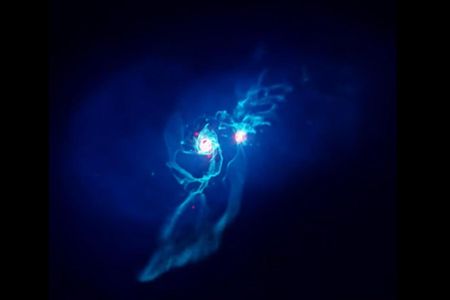
This Is How the Milky Way Will End
A computer simulation shows how the Milky Way will collide with Andromeda
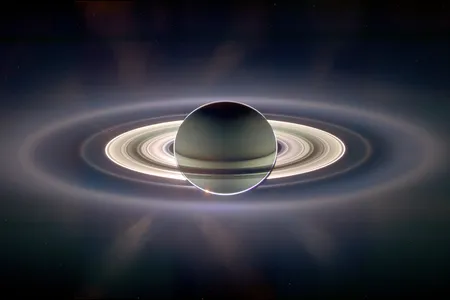
Saturn Is Making (And Destroying) Mini-Moons All The Time
Saturn’s F ring is a little moon factory
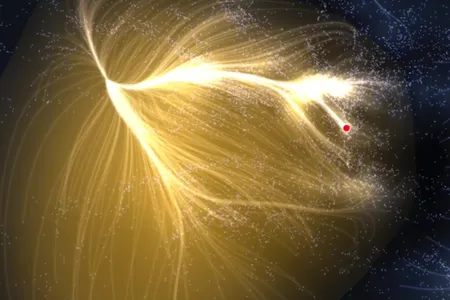
Turns Out We Live in the Laniakea Galactic Supercluster
Add another line to your celestial address: Astronomers just found out we live in the Laniakea Galactic Supercluster

The Surprisingly Complicated Reason Why Stars Look Like They Have Points
Stars are star-shaped because of imperfection in our eyes
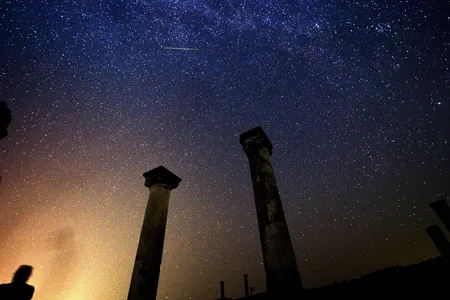
The Perseids Meteor Shower Peaks Tonight
Watch the remains of comet Swift-Tuttle burn up in the atmosphere
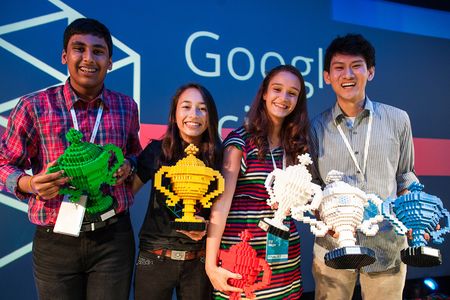
Google Thinks These 18 Teenagers Will Change the World
The global finalists of this year’s Google Science Fair take on cyberbullying countermeasures, tar sands cleanup and wearable tech
Page 48 of 63