
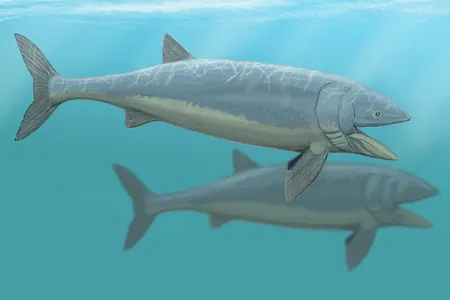
Why Did Most Massive Bony Fish Behemoths Die Out?
Some researchers suggest metabolism might be to blame, but a new study suggests that’s not the case
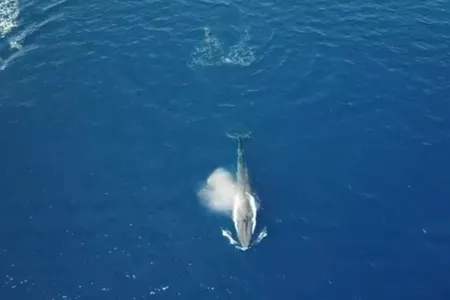
Huge Blue Whale Sighted in the Red Sea for the First Time
The massive mammals typically spend their summers in polar waters, but are known to occasionally migrate further
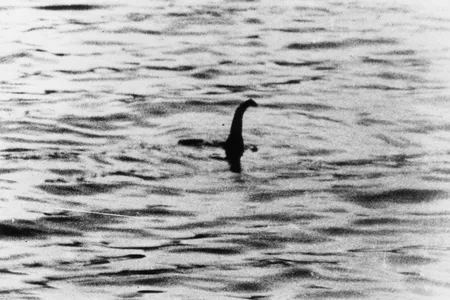
DNA Survey of Life in Loch Ness Will Hunt for Its Monster Resident
The goal is to catalog the lake’s diversity of life—including any oversized, prehistoric reptiles
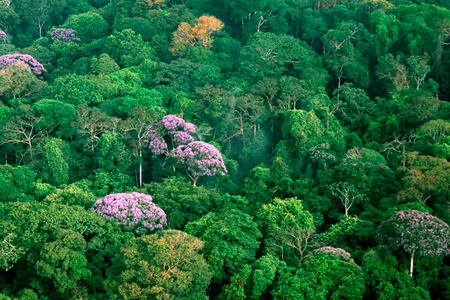
Humans Make Up Just 1/10,000 of Earth’s Biomass
Plants make up 80 percent, but human activity chopped that number in half over the last 10,000 years
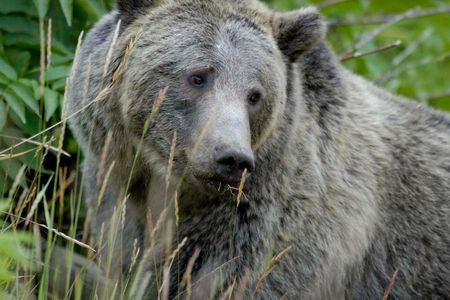
First Yellowstone Grizzly Hunt in 40 Years Will Take Place This Fall
In a controversial move, Wyoming will allow a limited take of the once-endangered species
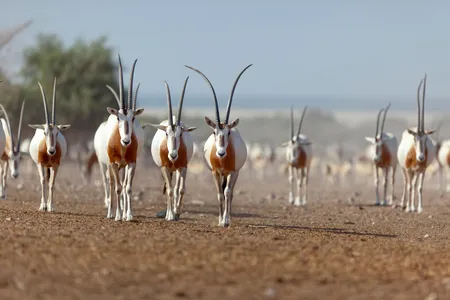
Smithsonian Researchers Are Bringing the Oryx Back to the Wild
Reintroducing the species back to north-central Africa shows early signs of success
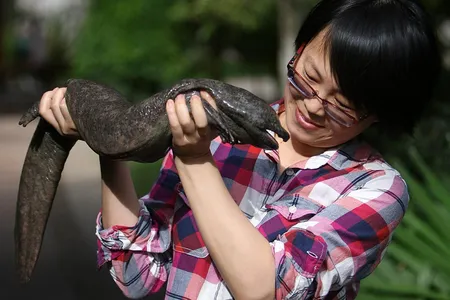
The Adorable Chinese Giant Salamander Is Slithering Toward Extinction
The amphibians could actually be five separate species, some of which may already be extinct
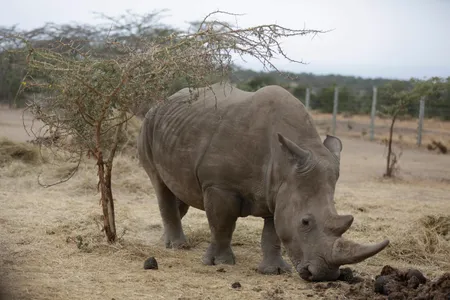
Can the Northern White Rhino Be Brought Back From the Brink of Extinction?
One beloved African breed is extinct in the wild, but scientists still hope to rescue it from oblivion
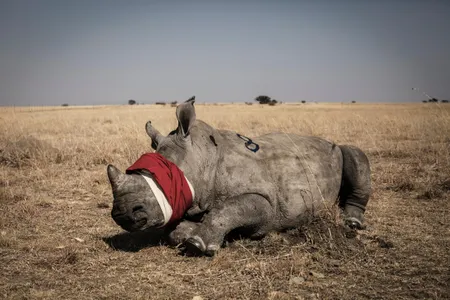
The Dangerous Work of Relocating 5,000-Pound Rhinos
The race is on to save the species: Ride along with an armed convoy deep into the Okavango Delta
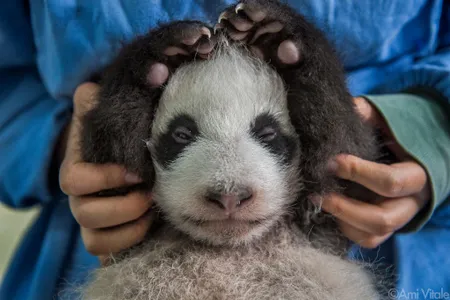
Why Photographing Pandas Is More Challenging Than You Might Think
Photojournalist Ami Vitale describes her years of work capturing the lovable furballs

Where the Doomed, Beloved Polar Bear Is Still a Dangerous Predator
A grassroots guard in Alaska works to keep people safe from bears, while also keeping bears safe from people

Chernobyl Puppies Going Up for Adoption in the U.S.
Now in quarantine, the pups are expected to come to the U.S. this summer in search of their forever homes
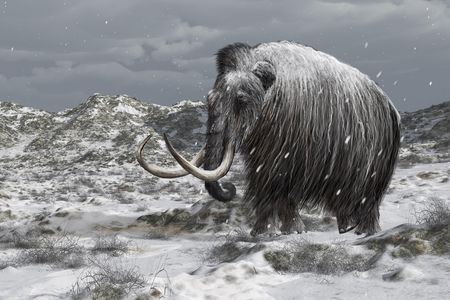
Can Bringing Back Mammoths Help Stop Climate Change?
Scientists say creating hybrids of the extinct beasts could fix the Arctic tundra and stop greenhouse gas emissions

The Surprisingly Intolerant History of Milk
A new book provides an udderly fascinating chronicle of the controversial drink
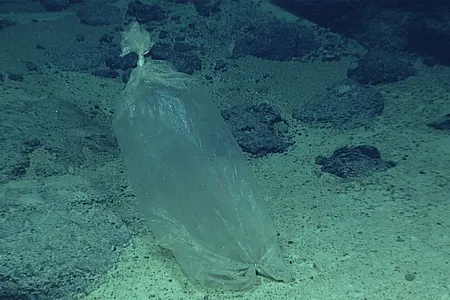
Even the Deepest Parts of the Ocean Are Polluted With Startling Amounts of Plastic
A review of data from 5,010 ROV dives reveals and abundance of single-use plastics littering the seas
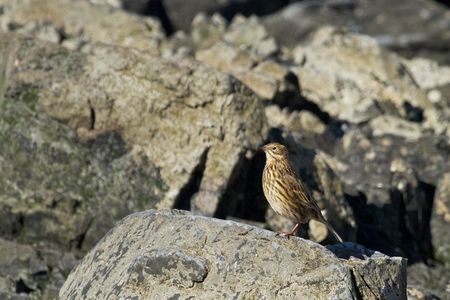
South Georgia Island Is Officially Free of Its Bird-Killing Rodents
After 250 years plagued with rats and mice, the island’s birds will hopefully now have the chance to bounce back
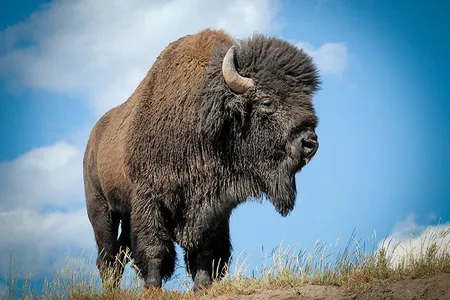
Meet Freddy, the Runaway Bison Who Inspired a Choral Arrangement
The piece references Manitoban history, a small town’s celebrity animal and includes distorted bison noises
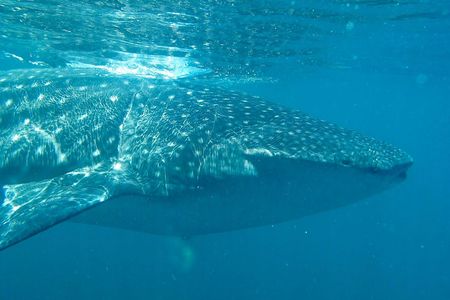
What the Longest Known Whale Shark Migration Ever Tells Us About Conservation
Researchers in Panama tracked a specimen via satellite over an unprecedented 12,516 miles
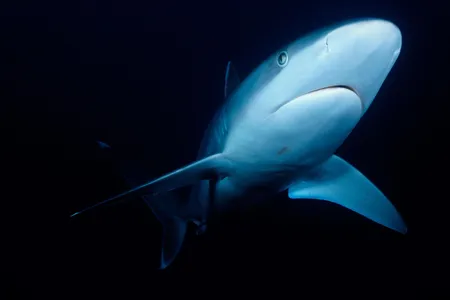
Scientists Have a New Way of Knowing How Many Sharks Are in the Sea
The predators are elusive, but marine ecologists are finding more of them by analyzing the “environmental DNA” in ocean water samples
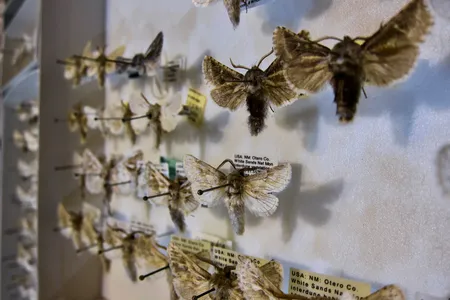
Dissecting Moth Genitals In the Name of Science
How “moth evangelist” Eric Metzler uncovered hundreds of moth species in the barren dunes of New Mexico
Page 137 of 231