
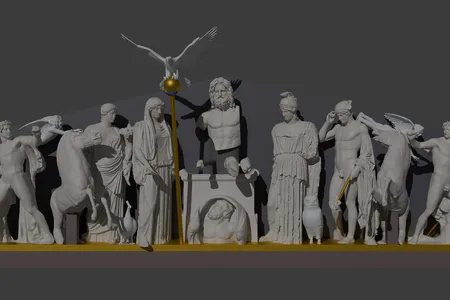
Centuries ago, the Parthenon’s east pediment was reduced to rubble. German researchers now believe they have recreated the 39-figure scene depicting the birth of Athena with the help of Roman sarcophagi and 3D printers
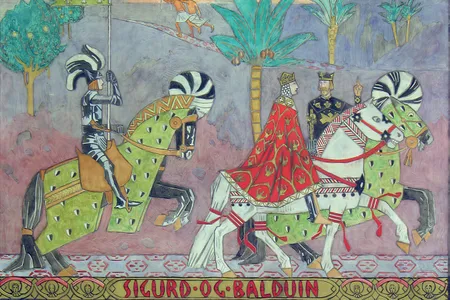
A new book by historian Thomas Williams closes the gap between the two cultures and brings some otherwise unfamiliar medieval figures and events to life
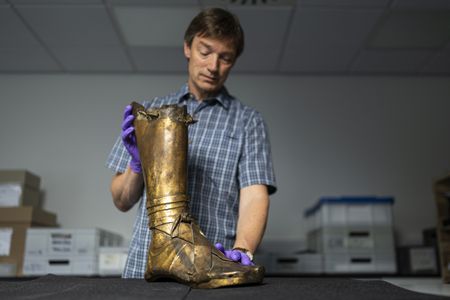
Long thought to have been looted from northern England by Scottish tribes, the larger-than-life leg may have actually been displayed in Roman Scotland before it was carefully dismantled and buried by retreating forces
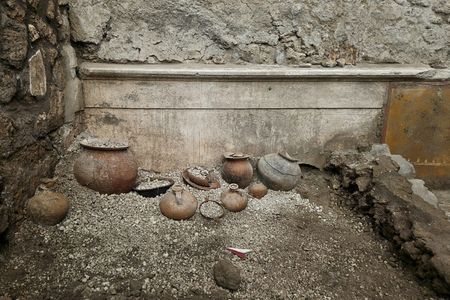
The ancient cabinet held a pair of tweezers, a perfume bottle, an incense burner and ceramic vessels. But the most impressive find was a necklace sporting at least 24 amulets shaped like deities, plants and body parts
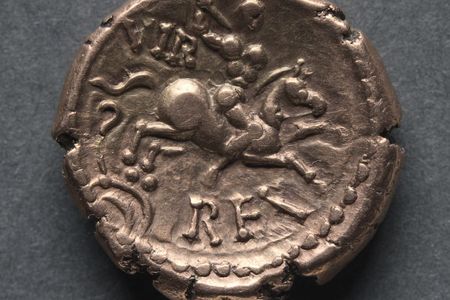
Was the British King Who Urged the Romans to Invade Actually a Queen? One Archaeologist Thinks So
Linguistic clues and ancient coins could suggest that Verica—a ruler who fled Britain and convinced Roman Emperor Claudius to launch an invasion across the English Channel—has been misgendered for centuries
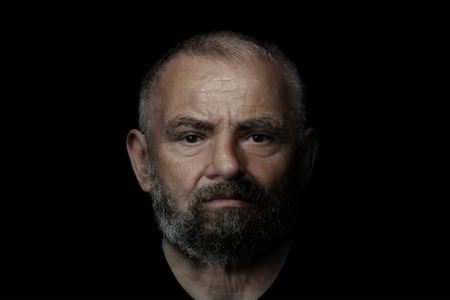
A digital facial reconstruction of the man, whose head was severed after his death, will soon go on view in Edinburgh. It depicts an individual in his early 50s, with graying hair and brown eyes
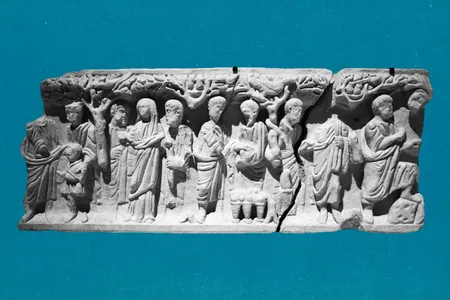
Augustus was seen as a descendant of the gods who would go on to redefine authority. New research posits that his rule paved the way for Jesus
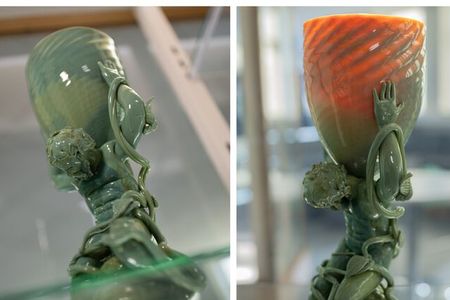
Researchers were inspired by Lycurgus Cup, a chalice from the fourth century C.E. that appears opaque green under reflected light but wine red when lit directly. “To me, it’s magic,” the lead researcher says
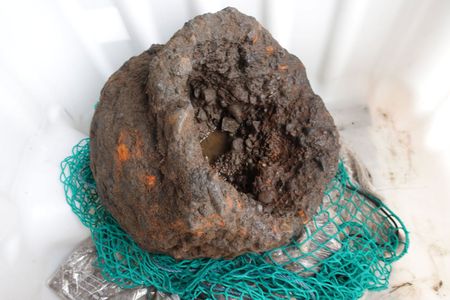
Nobody knows how the three-legged iron cauldron ended up in the River Wear. Weeks before Halloween, it finally returned to the surface
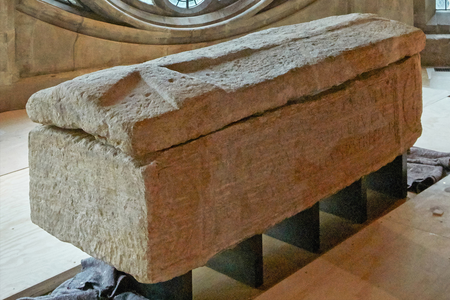
New research suggests that the ancient coffin was repurposed in the 10th or 11th century to hold the remains of an abbot who had overseen the London monastery
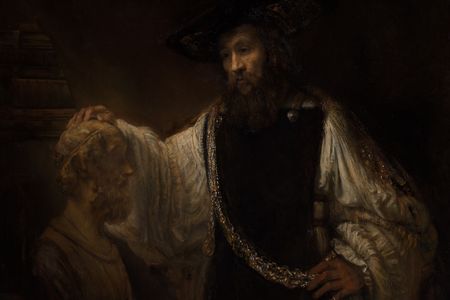
“Rembrandt and the Ancients” at the Metropolitan Museum of Art will unpack an “underexplored but vital” part of the Dutch master’s career, putting his paintings and drawings in conversation with the antecedents that inspired them
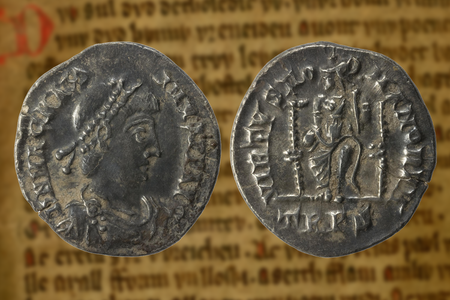
An archaeologist has uncovered an ancient fortification linked to Magnus Maximus, a fourth-century ruler who is immortalized in the medieval “Mabinogion” stories as Macsen Wledig
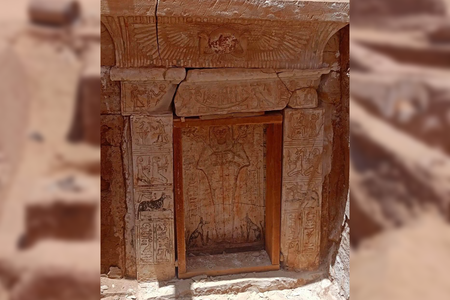
The 19-line poem was inscribed on a stone slab in the Bir al-Shaghala necropolis. The lament “is a highly literary and original epigram,” a scholar says
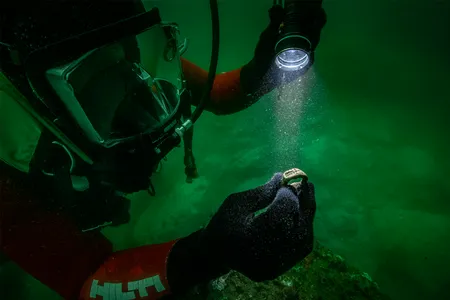
Archaeologists in Egypt discovered the signet ring while conducting excavations on the island of Antirhodos, which once housed a lavish Ptolemaic palace
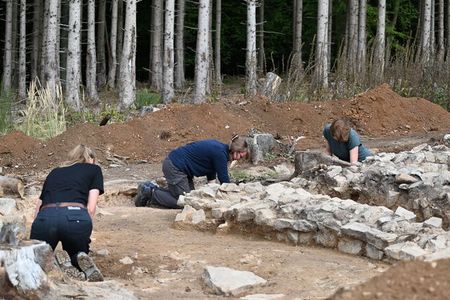
Researchers found the structure’s remains, as well as fragments of statues, while excavating near the Kapersburg fort, an ancient Roman military fortification on the outskirts of modern-day Frankfurt
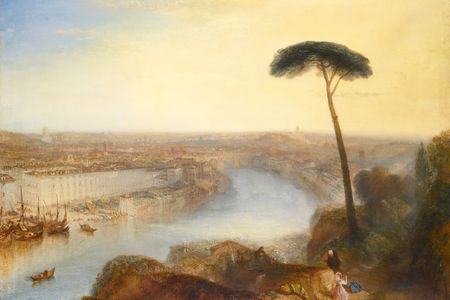
The Romantic painter completed “Rome, From Mount Aventine” in the 1830s. It became his most expensive artwork in 2014, and it’s expected to sell for another record-breaking sum in December
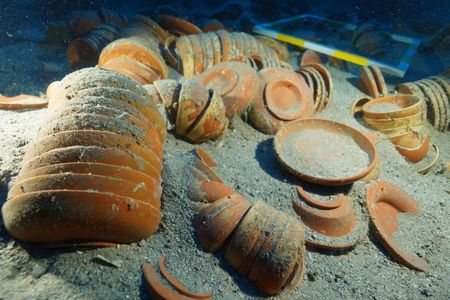
Researchers believe that the vessel’s plates and bowls were made in the ancient city of Rhosus, once praised by Roman statesman Cicero for its “fine pottery”
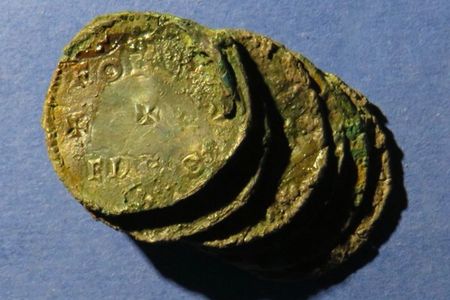
Researchers argue that the tenth-century coins provide new evidence of a bustling English community located next to the Vatican that was permitted to use its own currency
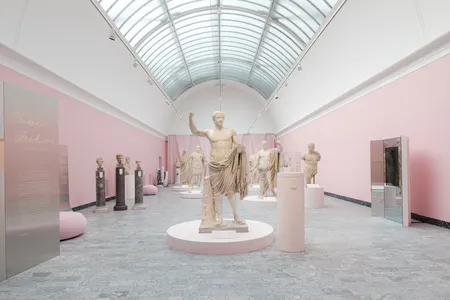
A New Exhibition Reveals How Hot Pink Togas and Floral Perfumes Conveyed Power in the Roman Empire
The show in Copenhagen explores the relationship between fashion and influence in ancient Rome
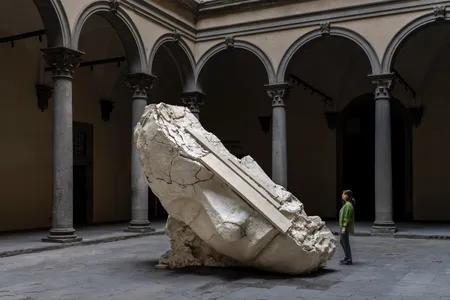
The show, on view in Florence and coming to D.C. next year, examines the history and impact of destroyed sculptures throughout time and across cultures
Page 1 of 32