
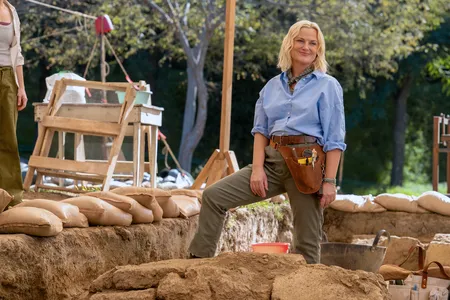
Co-created by Michael Schur, the show is based on Kate Myers’ 2023 novel, “Excavations.” All ten episodes will be available to stream on November 23
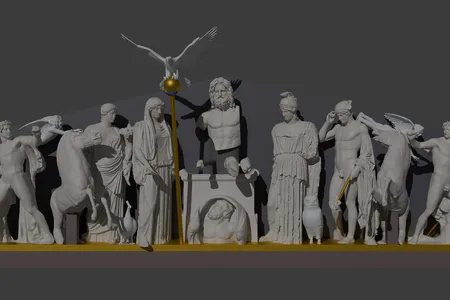
Centuries ago, the Parthenon’s east pediment was reduced to rubble. German researchers now believe they have recreated the 39-figure scene depicting the birth of Athena with the help of Roman sarcophagi and 3D printers

The length of Crete has a lot of stories to tell about the people who lived there and yet still manages to embrace a sense of mystery. Warning: Beware the Minotaur
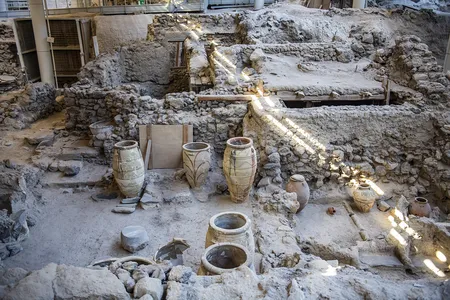
The Thera volcano, on modern-day Santorini, buried Akrotiri in ash in the 17th or 16th century B.C.E. The eruption was one of the largest in recorded history
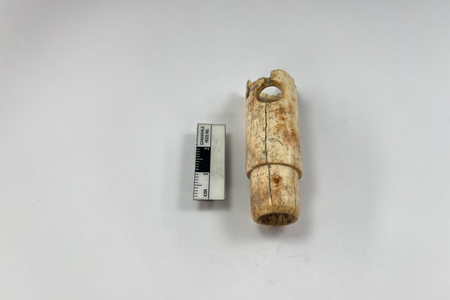
After more than 150 years of excavations, the object is the first musical instrument ever discovered in the ruins of the ancient city, which is located in modern-day Turkey
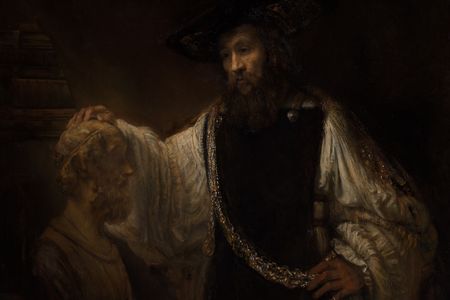
“Rembrandt and the Ancients” at the Metropolitan Museum of Art will unpack an “underexplored but vital” part of the Dutch master’s career, putting his paintings and drawings in conversation with the antecedents that inspired them
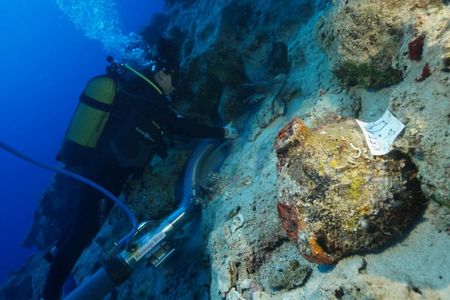
The ship was likely transporting huge jars of olive oil or wine across the Mediterranean when it sank to the seafloor. One archaeologist “could not believe how much” residue remained inside
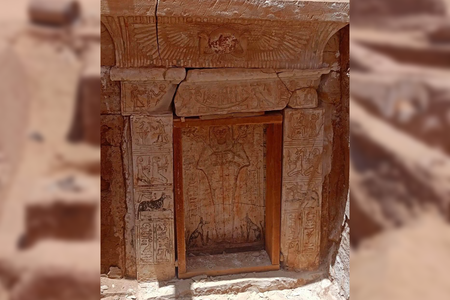
The 19-line poem was inscribed on a stone slab in the Bir al-Shaghala necropolis. The lament “is a highly literary and original epigram,” a scholar says
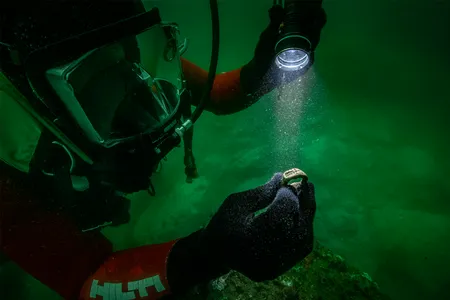
Archaeologists in Egypt discovered the signet ring while conducting excavations on the island of Antirhodos, which once housed a lavish Ptolemaic palace

The 76-year-old poet, translator and essayist is renowned for her “bold and inventive” approach to blending poetry, prose and everything in between, leading to what the Swedish Academy calls “new forms for contemporary literature”
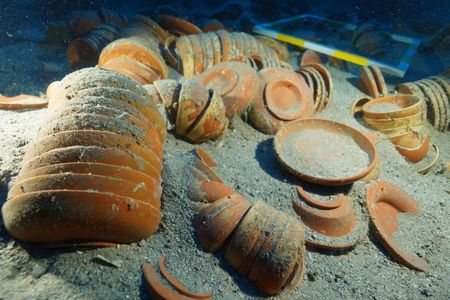
Researchers believe that the vessel’s plates and bowls were made in the ancient city of Rhosus, once praised by Roman statesman Cicero for its “fine pottery”
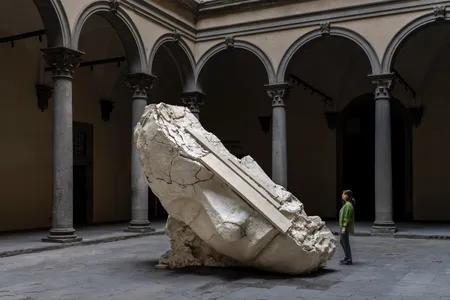
The show, on view in Florence and coming to D.C. next year, examines the history and impact of destroyed sculptures throughout time and across cultures
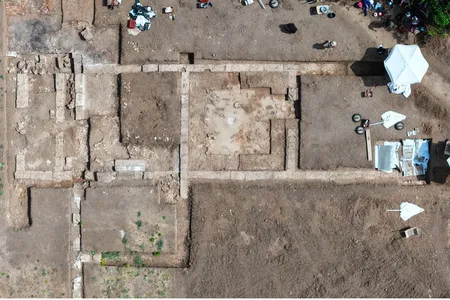
Archaeologists Unearth the 2,400-Year-Old School Where Aristotle Taught Alexander to Be Great
The latest excavation at Aristotle’s gymnasium in ancient Mieza has revealed ornate, mosaic-covered halls where researchers believe Alexander the Great learned his formative lessons
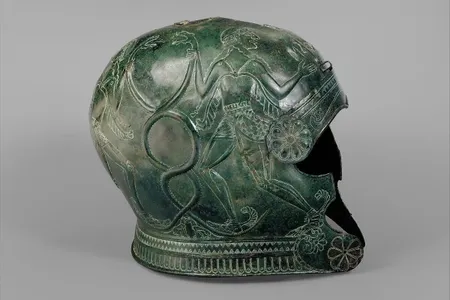
The antiquities were seized at the Metropolitan Museum of Art by investigators from the office of Manhattan District Attorney Alvin L. Bragg Jr.
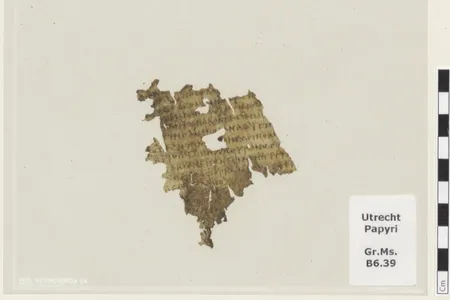
The handwritten fragment contains Greek verses from Book 12 of Homer’s epic, in which King Odysseus recounts the fate of his doomed crew
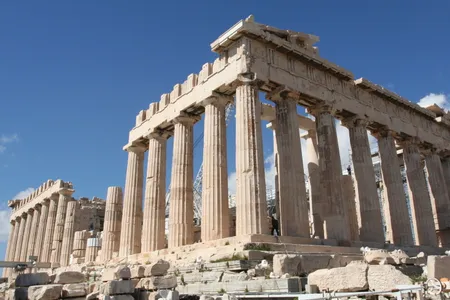
In the first century B.C.E., Vitruvius wrote that the Acropolis’ largest temple was horizontally bowed so that it didn’t seem to sag, and that explanation persisted for millennia. New research suggests a different reason
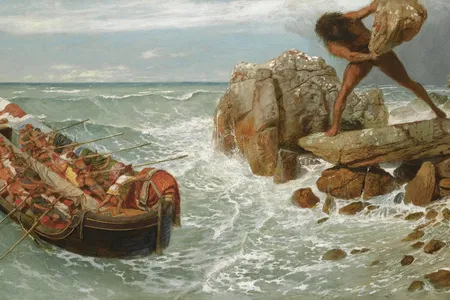
Nearly a decade after her acclaimed first translation was released, Wilson is taking a fresh approach to Homer’s ancient Greek epic
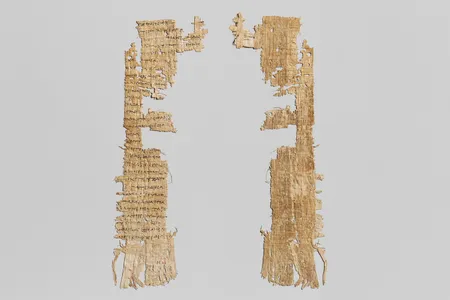
The papyrus fragment contains three lines that don’t appear in standard modern-day translations of Homer’s epic poem
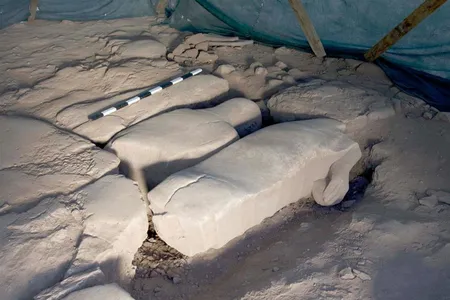
Archaeologists discovered the roughly 2,500-year-old sculpture of a young man while conducting excavations at Sardis in western Turkey. The artwork reflects the different cultures that wielded control over the city in the first millennium B.C.E.

The 25 new locations, determined to bear “outstanding universal value” for the world, also include the D-Day landing site in Normandy, France
Page 1 of 15