
From Penicillin to the Polio Vaccine, a New Exhibition Reveals How Far We’ve Come With Lifesaving Medical Innovations—and How Much Further We Have to Go
The show at the Smithsonian’s National Museum of American History highlights the amazing advancements across centuries of medical progress and confronts historical inequities that have left some people behind
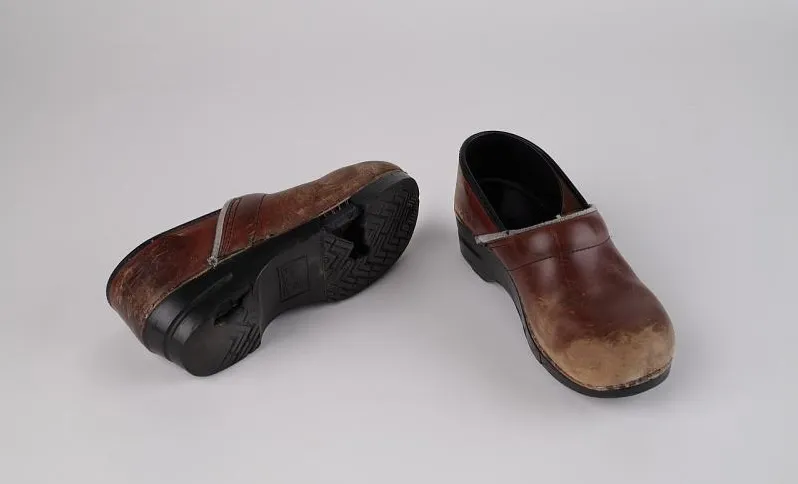
A pair of clogs with cracked soles and worn leather tell more than just the story of the New York City nurse who wore them. Now on display at the Smithsonian’s National Museum of American History, the shoes belonged to Sandra Lindsay as she cared for patients at a Queens hospital during the Covid-19 pandemic. In December 2020, Lindsay made history: She became the first person in the United States to receive the authorized Covid-19 vaccine outside of clinical trials. The shoes, along with the nurse’s ID badge, vaccination record card, scrubs and socks, are now in the Smithsonian’s collection.
Lindsay’s shoes have not been polished or restored. And that’s the point.
“We did no treatment to them, because the cracks and the losses were part of the story,” says Dawn Wallace, an object conservator at the museum. The shoes embody the struggle of health care workers who, like Lindsay, stood on the front lines of a global health crisis.
That story unfolds across “First Do No Harm,” a new exhibition at the museum that explores the complex legacy of American medicine. Artifacts, historical context and personal narratives prompt visitors to ask what medicine can do and for whom.
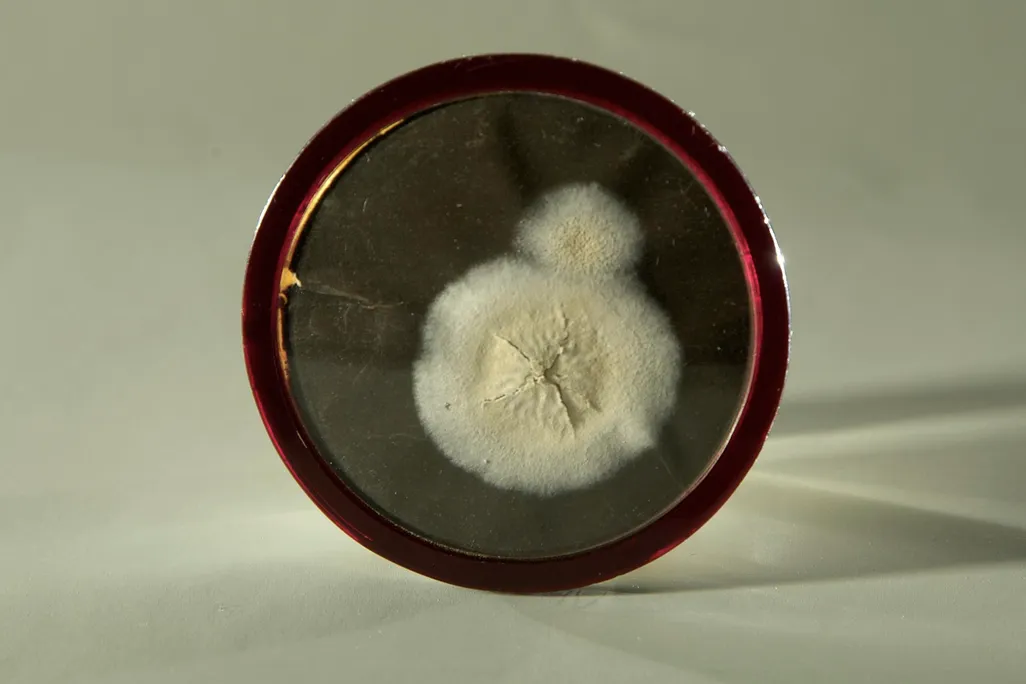
The exhibition spans centuries, from early medical tools to contemporary devices, chronicling the field’s incredible progress. On view is a syringe that virologist Jonas Salk used when testing his revolutionary polio vaccine in the 1950s, as well as a medallion containing a preserved sample of penicillin mold from bacteriologist Alexander Fleming. He, along with colleagues, received the Nobel Prize in Physiology or Medicine in 1945 “for the discovery of penicillin and its curative effect in various infectious diseases.”
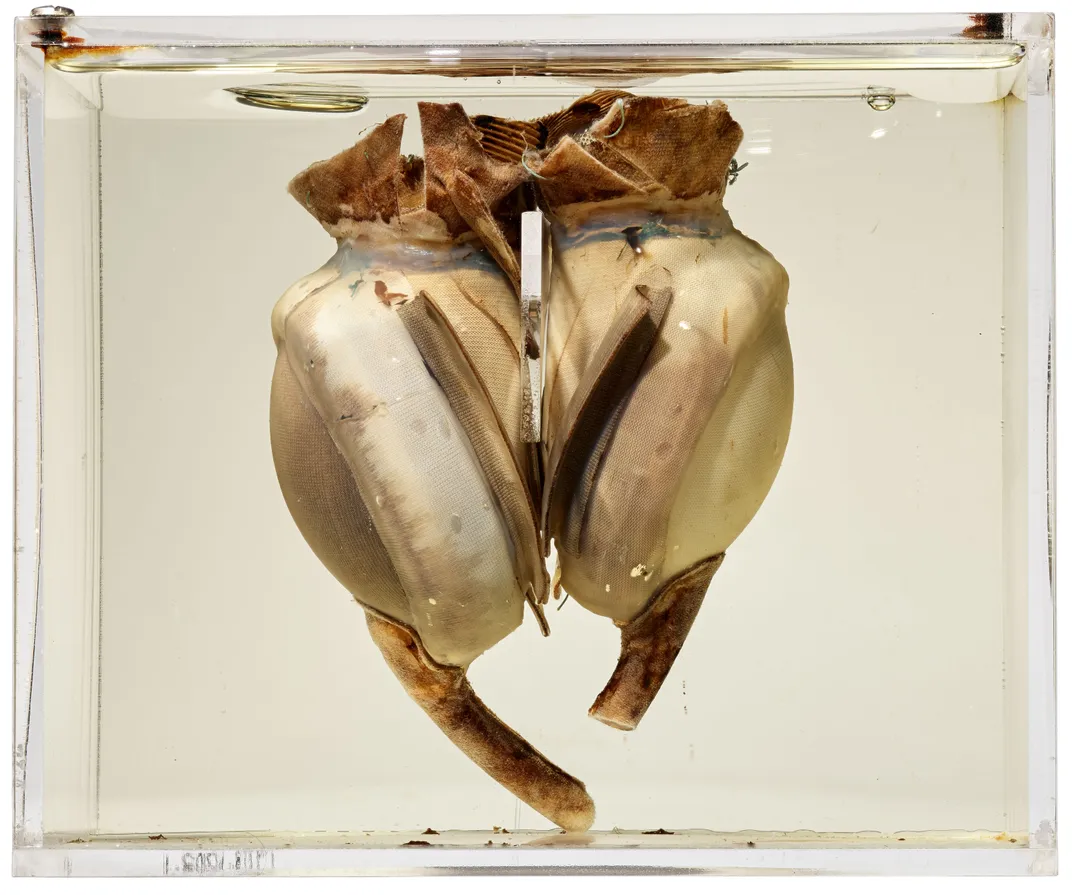
And technological advancements abound in the exhibition: A 1960s prototype CT scanner developed by physicist Allan M. Cormack garnered him and a colleague a Nobel Prize in 1979 for their work in the field; the first total artificial heart, created by surgeon Domingo Liotta, was implanted by Denton Cooley on April 4, 1969, in Houston. This device supported the patient, Haskell Karp, for about 64 hours before he received a human heart transplant.
But threaded throughout the exhibition is another narrative—one of disparity. The same breakthroughs that have transformed lives have often bypassed those living on the margins.
“We’ve had such remarkable technological advances that truly save lives every day,” says museum director Anthea Hartig, who oversaw curation of the exhibition. “But then some people have had unlimited access and some people have very limited access.”
Tuberculosis, for instance, continues to disproportionately impact racial and ethnic minorities even though medical innovations have fought back against the disease for generations. (A sputum flask designed for tuberculosis prevention from the late 19th or early 20th century is also among the items included in the exhibition.) In 2023, 90.1 percent of tuberculosis cases in the U.S. occurred among individuals who identified as racial and ethnic minorities.
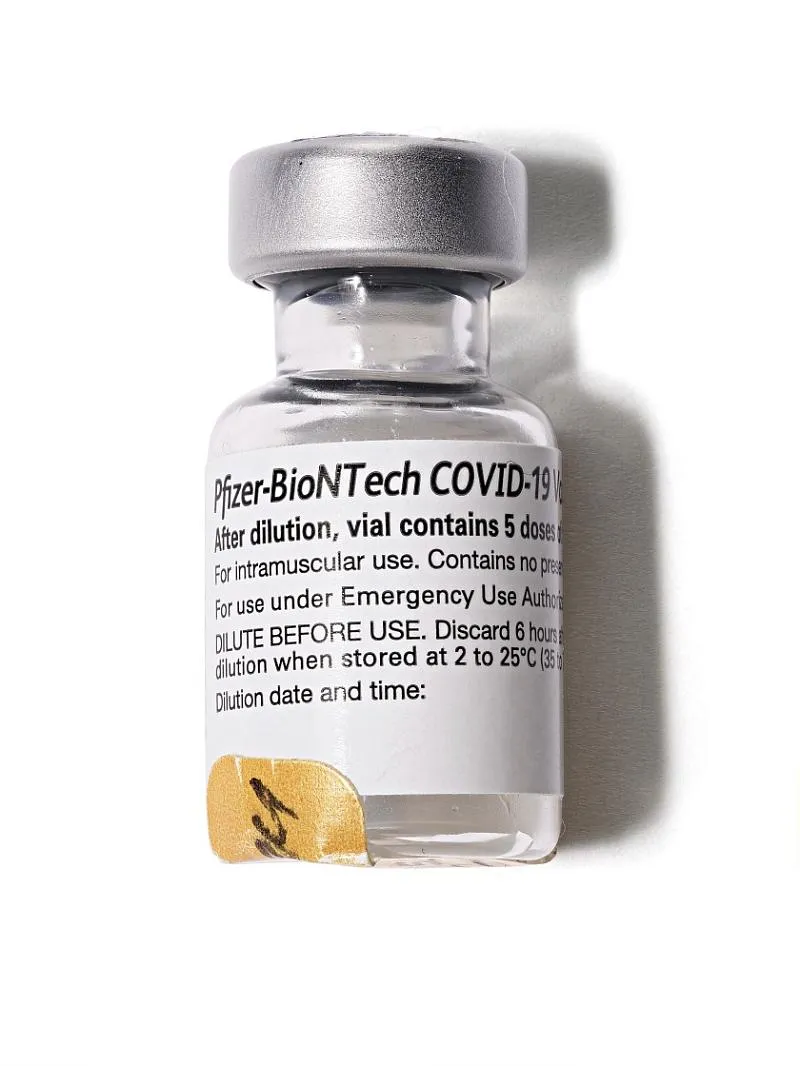
More recently, the Covid-19 vaccine rollout, also represented in the show by a vial that contained one of the first doses, revealed the disparities in public health outcomes. Research from 2022 indicated that health care facilities in counties with higher Black populations were less likely to administer Covid-19 vaccines in May 2021, and a Centers for Disease Control and Prevention (CDC) report from March 2022 found that vaccination coverage with an initial dose was lower in rural counties (58.5 percent) compared with urban counties (75.4 percent).
In rural communities, medical advancements can often feel far removed, says Alan Morgan, CEO of the National Rural Health Association. He points to the specific challenges faced by these populations: “Rural is a unique health care delivery environment. It’s not just a smaller version of urban,” Morgan says. “Rural communities often have the fewest health care options, despite having populations that are older, sicker and poorer, making their health needs more urgent than many urban areas.”
Natural disasters cause environmental and public health devastation, and exacerbate these health disparities. In the exhibition is a homemade mosquito net and women’s health kit made to help survivors of Hurricane Maria, which struck Puerto Rico and other Caribbean islands in 2017.
One exhibition object speaks directly to how the nation has sought to address health disparities: a copy of the 1985 “Report of the Secretary’s Task Force on Black & Minority Health.”
“In the Reagan presidency, the Health and Human Services Secretary Margaret Heckler, she was like, ‘Look, the overwhelming evidence is that Black Americans are much less healthy than white Americans,’” Hartig says. “She put together a whole commission and a whole study. And in 1985, this report comes out, which for the first time was when the federal government acknowledged the discrepancies in health care.”
Another section tells the stories of the HIV/AIDS crisis in America, including awareness buttons, information pamphlets and the belongings of the Reverend Steve Pieters, a gay man who spoke forthrightly about living with AIDS in the 1980s. Hartig, referencing the museum’s display of Pieters’ medication bottles, says that collectively they show “what he had to do to try, after he was positive for HIV, to stave off death.”
Pieters survived the 1980s, and he died in 2023 at age 70 of sepsis.
The museum also looked at the idea of “harm” beyond the human world and linked human health to the health of the planet. In one interactive display, museumgoers are invited to figure out the best ways to help save honeybees, an indicator species.
“When any one thing happens in ecology, it has an effect on humans and non-humans, and vice versa,” says Katherine Ott, a curator in the museum’s Division of Medicine and Science. The very systems that preserve life are also reshaping the environment in ways we’re only beginning to understand. Progress in one realm can sometimes lead to harm in another. For example, as the use of medical plastics has increased, so has the amount of medical waste. Some of that waste winds up in Earth’s oceans, where it damages the environment.
Did you know? Medical waste
Each year, the U.S. health care sector generates 6.5 million tons of waste, with plastics making up about 28 percent of that total, according to a 2025 study published in Recycling.
“First Do No Harm” has been a long time coming, and Ott remembers the early conversations about it. “Our museum hadn’t done a major exhibition on health and medicine in nearly 30 years,” she says. With thousands of medical artifacts in its collection, the museum had the resources—and the responsibility—to tell a fuller, more nuanced story. That story, Ott says, is one of contradictions.
“Medicine is a paradox,” she says. “There’s more than one truth about everything.”
The exhibition at times asks visitors to sit with discomfort—one section uncovers the history of eugenics, and a particularly disturbing pair of images juxtapose a boy cured of smallpox and a boy suffering from smallpox.
“The topics are pretty difficult for a lot of people,” Ott says.
It also encourages visitors to consider how medical advances have changed their own lives and their family’s lives. After all, health is both personal and public.
Microbiologist Maurice Hilleman is credited with saving many lives through his creation of vaccines. Part of his public health achievements came about because of a close personal tie he had: In 1963, his 5-year-old daughter, Jeryl Lynn, was showing symptoms of the mumps. So, Hilleman collected a sample of the virus from her throat, brought it to his lab and got to work. That sample, Britta Hallberg writes for the CDC Foundation, “would become the foundation for the development of the mumps vaccine.”
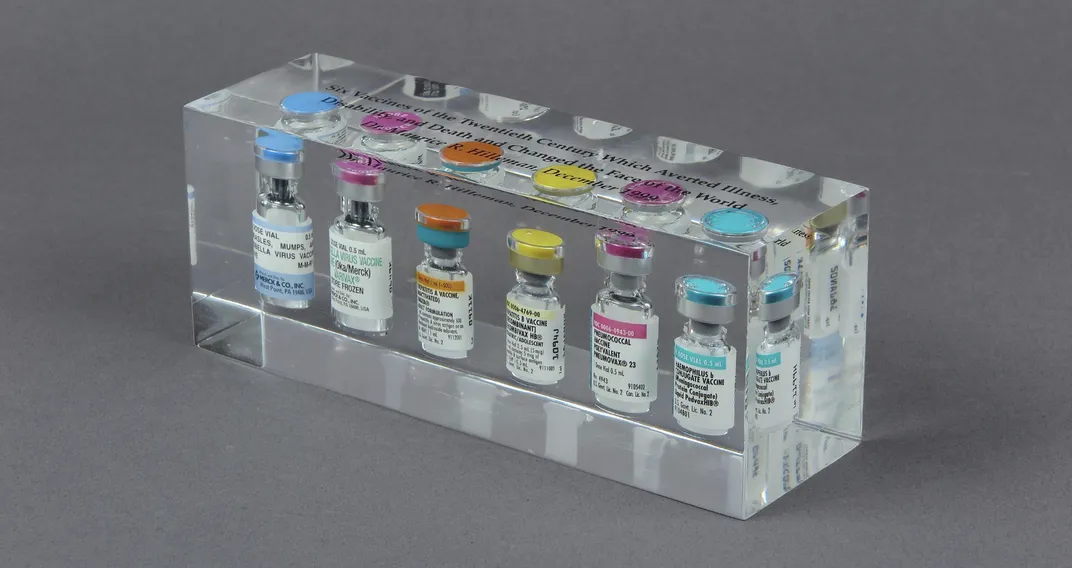
Hilleman was ultimately able to create a vaccine for the mumps, Hartig says, “because his daughter got it.” A canister that preserved the Jeryl Lynn viral seed stock is on display in “First Do No Harm.”
The mumps vaccine, officially licensed in 1967, eventually “became a crucial component of the measles-mumps-rubella (MMR) vaccine, one of the most widely used and effective vaccines in the world,” Hallberg writes.
MMR vaccines still utilize the “Jeryl Lynn strain” of the virus to this day.
“First Do No Harm” is ongoing, on view at the Smithsonian’s National Museum of American History for about three years.