
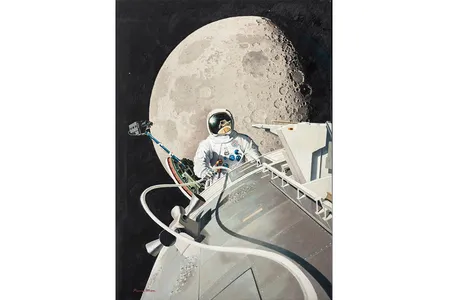
I Was Among the Lucky Few to Walk in Space
On July 31, 1971, Al Worden performed the first deep-space extra-vehicular activity. “No one in all of history” saw what he saw that day
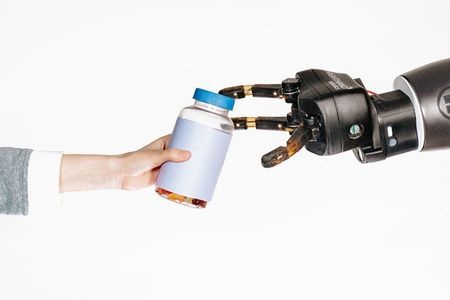
A New Study Finds People Prefer Robots That Explain Themselves
Engineers at UCLA explain how A.I. systems should be designed to both perform a task and win the trust of humans

The New Explosive Theory About What Doomed the Crew of the ‘Hunley’
A blast-injury expert takes aim at the mystery of what sank the most famous—and lethal—submarine of the Civil War
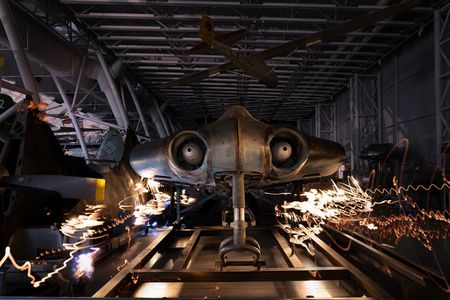
Why the Experimental Nazi Aircraft Known as the Horten Never Took Off
The unique design of the flyer, held in the collections of the Smithsonian, has infatuated aviation enthusiasts for decades
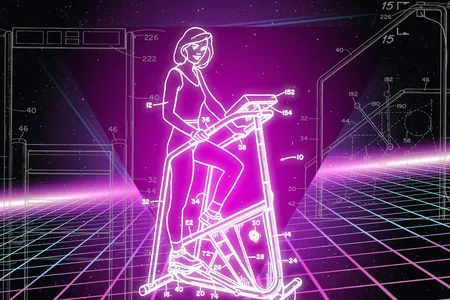
The History of the StairMaster
The 1980s brought about America’s gym obsession—and a machine that demands a notoriously grueling cardio workout
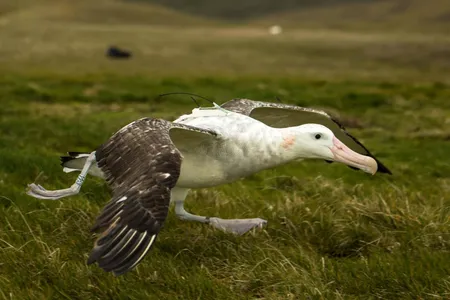
Albatrosses Outfitted With GPS Trackers Detect Illegal Fishing Vessels
By utilizing the majestic birds to monitor huge swaths of the sea, law enforcement and conservationists could keep better tabs on illicit activities
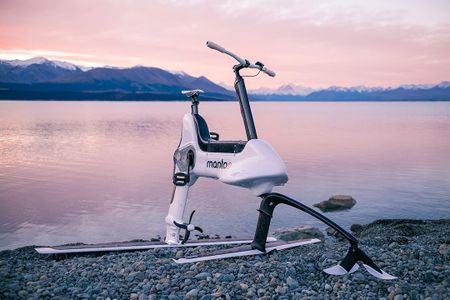
Eight Remarkable Inventions Unveiled at This Year’s CES
From a smart grill to a bike that rides on water, these were the coolest—and strangest—gadgets at the Consumer Electronics Show
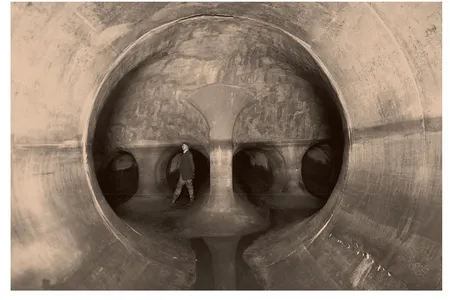
These Photos Capture the World’s Sewer Systems When They Were Brand New
Archival images from the late 19th and early 20th centuries reveal engineered labyrinths of civic optimism

Eight Innovators to Watch in 2020
From plastic recycling pioneers to landmine foes, these dreamers have big plans for the coming year

The Magical Animation of ‘Rudolph the Red-Nosed Reindeer’
The Christmas television special—the longest running in history—was groundbreaking in its use of stop-motion animation with puppets
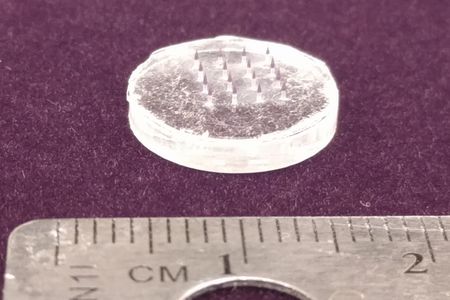
This Spiky Patch Could Invisibly Record Vaccination History Under Skin
But the technology raise several ethical concerns that could stymie its progress
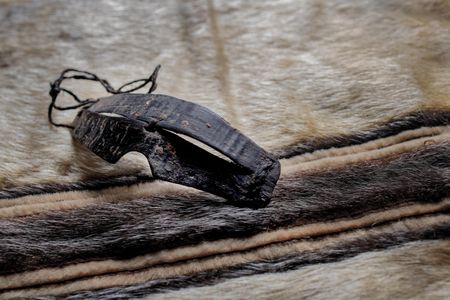
These Snow Goggles Demonstrate Thousands of Years of Indigenous Ingenuity
Made in Alaska and fashioned to protect against snow glare, the eyewear was carved from whale baleen circa 1890

A Brief History of the Crock Pot
More than eighty years after it was patented, the Crock Pot remains a comforting presence in American kitchens
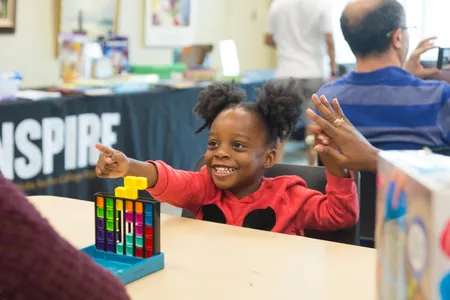
The Ten Best STEM Toys to Give as Gifts in 2019
Stretch young learners’ minds with everything from card games to robotic spheres
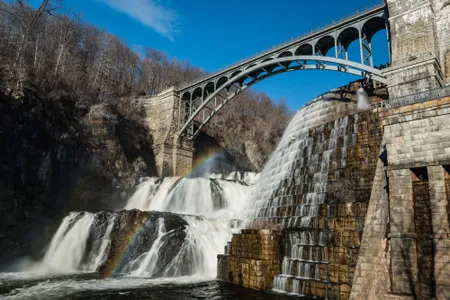
How New York City Found Clean Water
For nearly 200 years after the founding of New York, the city struggled to establish a clean source of fresh water
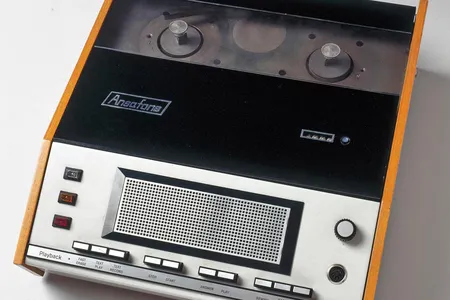
How the Spread of the Answering Machine Got Put on Hold
A telephone monopoly and a fear of wiretapping kept the invention out of homes for decades
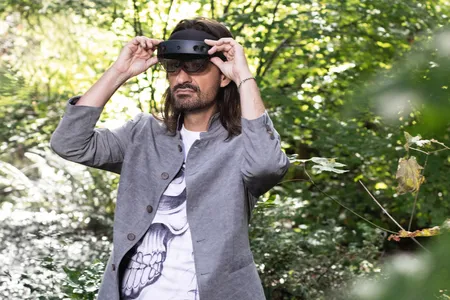
Inventor Alex Kipman’s Grand Vision for How Holograms Will Change Our Lives
The designer behind Microsoft’s HoloLens 2 predicts a future driven by augmented reality
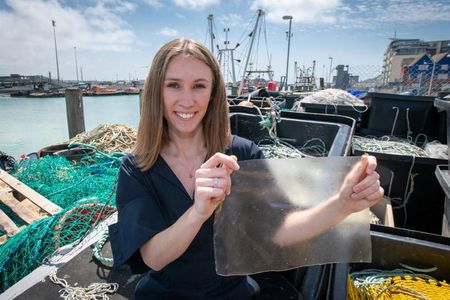
This Bioplastic Made From Fish Scales Just Won the James Dyson Award
British product designer Lucy Hughes has invented a biodegradable plastic made from fish offcuts
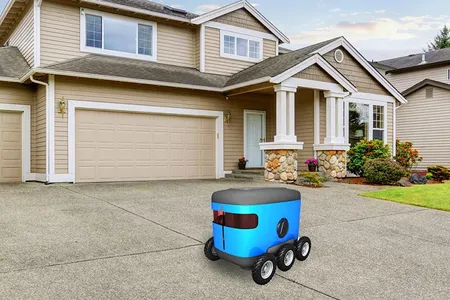
Helping Delivery Robots Find Your Front Door
With a new navigation system from MIT, robots can decipher common landscape features, even in an unfamiliar environment
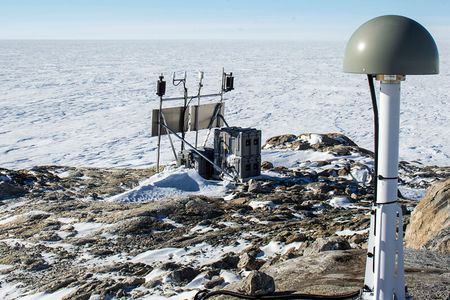
Five Things You Probably Didn’t Know GPS Could Do
Scientists use the navigation system to measure and monitor many aspects of our planet
Page 13 of 71