
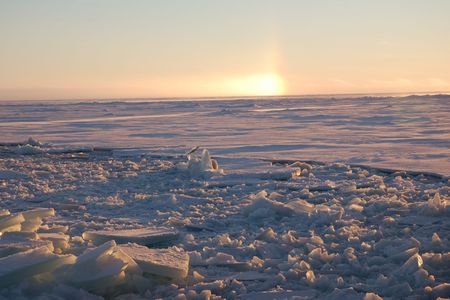
The ‘Last Ice Area’ May Provide a Final Refuge for Arctic Life in a Warming World
The Arctic Ocean region may provide a sanctuary to animals who need the summertime frozen habitat for survival
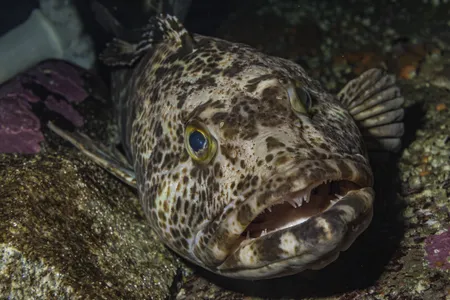
This Fish Loses and Regrows 20 Teeth Each Day
The Pacific lingcod replaces its 500-plus teeth at a rapid pace, according to new research
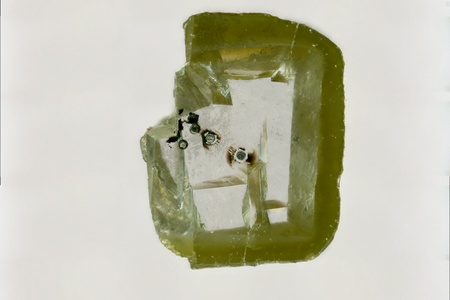
Scientists previously synthesized the mineral in a lab using immense amounts of pressure, but they were surprised to find it in nature
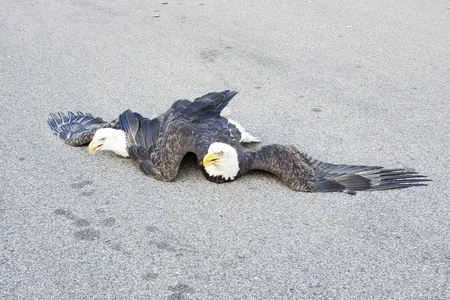
Watch Bald Eagles Tussle in the Middle of a Minnesota Street
The raptors may have gotten entangled during a territorial fight or courtship dance
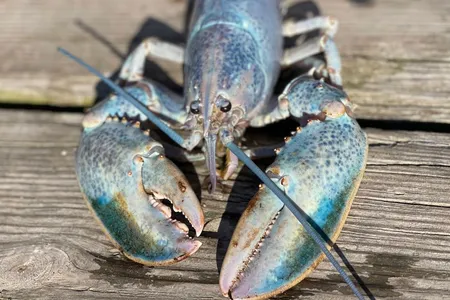
Rare ‘Cotton Candy’ Blue Lobster Is a 1-in-100 Million Catch
The crustacean’s bizarre blue hue could be due to genetics or diet
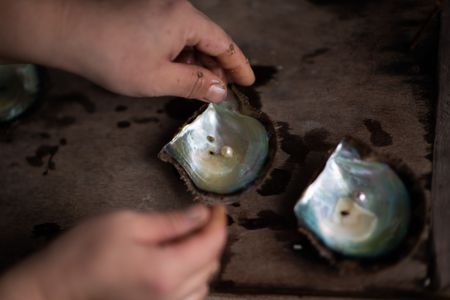
How Pearls Obtain Their Remarkable Symmetry
A concept called ‘pink noise’ brings order to seemingly disorderly patterns seen in classical music, seismic activity, economic markets and even pearls
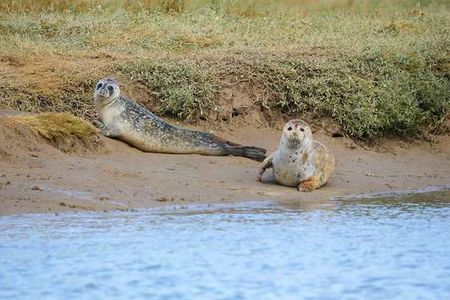
Once Deemed ‘Biologically Dead,’ a New Report Shows London’s River Thames Recovering
Though wildlife populations are recovering, climate change and sewage still threaten the river’s health
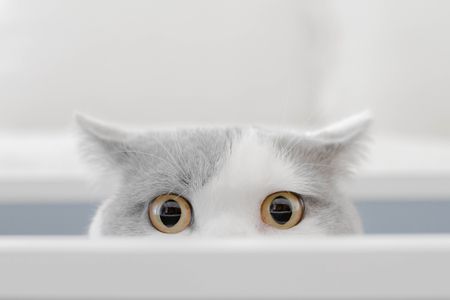
Your Cat May Know Where You Are Even When They Can’t See You
New research suggests domesticated cats keep a ‘mental map’ of their owner’s location, an ability previously unknown in felines
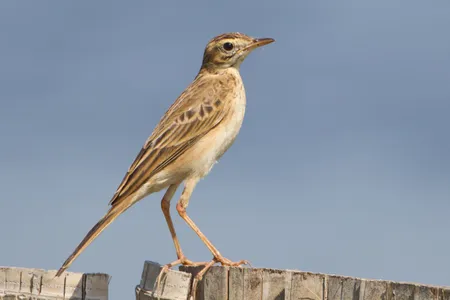
Bird Migration Patterns Are Changing—and Climate Change May Be to Blame
As winter months approach, some feathered friends have started migrating east to west instead of north to south
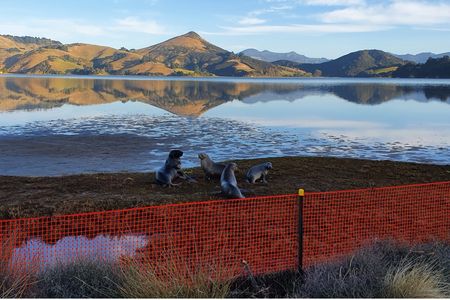
After Being Hunted to Near-Extinction, New Zealand Sea Lions Are Reclaiming the Mainland
These blubbery critters have made grand reappearances on golf courses, swimming pools and hiking trails, startling some New Zealanders

Pfizer Asks FDA to Expand Booster Eligibility to All Adults
Experts are optimistic the request will be granted before the winter holiday season

A 300-Million-Year-Old Fossil Discovered in Utah Could Be a New Species
Fossilized remains of aquatic creatures are commonly found in Canyonlands National Park, but discovering a land-dwelling vertebrate is incredibly rare
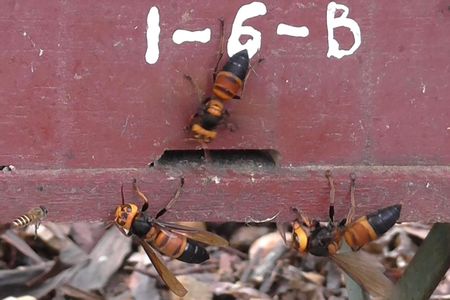
Listen to Asian Honeybees ‘Shriek’ When Murder Hornets Are Nearby
The bees will sound the alarm against invaders by vibrating their wings to make a noise akin to high-pitched scream
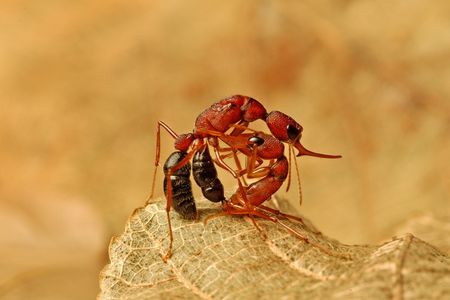
A Single Protein Can Switch Some Ants From a Worker Into a Queen
Changing the expression of a one protein in the brains of Jerdon’s jumping ants is enough to launch the biological transition
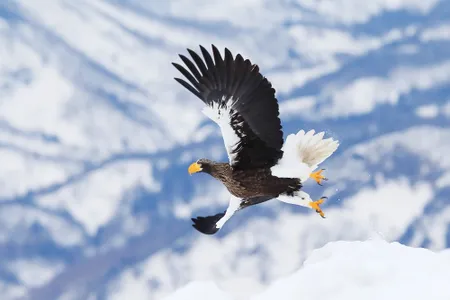
Thousands of Miles Away From Home, This Steller’s Sea Eagle Couldn’t Be Any More Lost
Now in Nova Scotia, the Asian raptor has been spotted several times in North America in the past year and a half
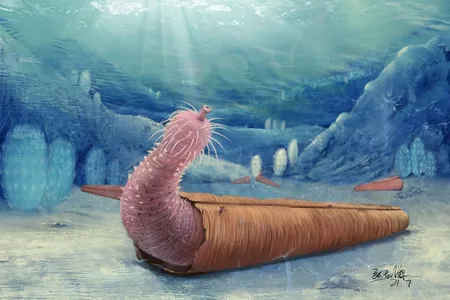
Penis Worms May Have Been the First Real Hermits
Hermit crabs may have evolved hermiting behavior 180 million years ago, but penis worms beat them by more than 300 million years

Heinz Debuts ‘Marz Edition’ Ketchup Made With Tomatoes Grown in Mars-Like Conditions
Scientists grew the tomatoes under the same temperature and water levels found on the surface of the Red Planet
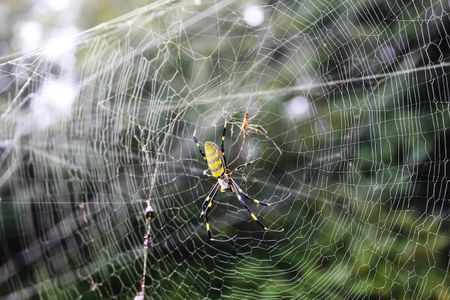
‘Like a Scene Out of ‘Arachnophobia,” Invasive Spiders Take Over Northern Georgia
Scientists are torn on whether the Joro spider could have positive or negative effects on the native ecosystem

Pfizer Says Covid-19 Pill Cuts Hospitalization and Death Risk by Nearly 90 Percent
Though vaccines are still the best line of defense against the virus, the antiviral drug could help high-risk Americans once symptoms appear
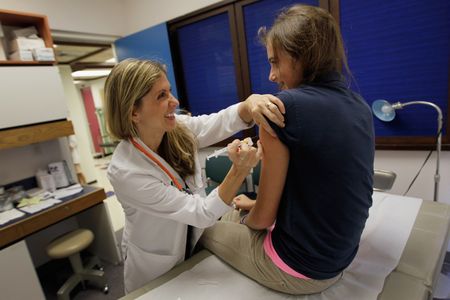
U.K. Study Finds HPV Vaccine Reduced Cervical Cancer Rates by 87%
When children are inoculated between 12 and 13 years old, the vaccine is most effective
Page 202 of 556