
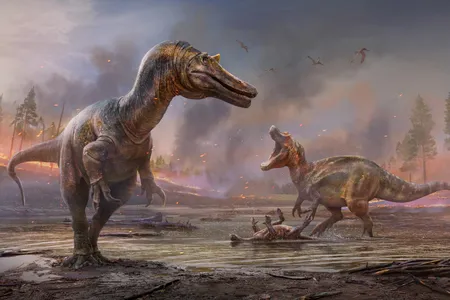
Meet Some of the 552 Species Described for the First Time by London’s Natural History Museum
Species of menacing dinosaurs, shiny beetles and an abundance of teeny invertebrates were new to science in 2021

Famed Paleoanthropologist and Wildlife Conservationist Richard Leakey Dies at 77
His team’s discovery of early human skulls and skeletons cemented Africa as the cradle of humanity
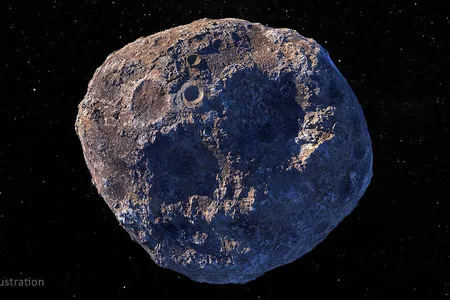
This Metal-Rich, Potato-Shaped Asteroid Could Be Worth $10 Quintillion
In August, NASA is sending an orbiter to the space object, which may be the partial remains of planet-forming material made of nickel and iron

See Pandas, Elephants, Cheetahs and More Enjoy a Snow Day at the National Zoo
At least six inches of snowfall covered Washington, D.C. this week causing closures and delays for residents, but the zoo animals were out to play
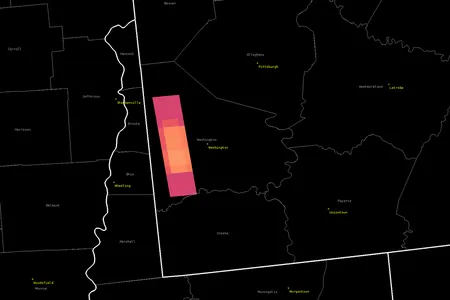
Boom Heard in Pittsburgh on New Year’s Day Was Likely an Exploding Meteor
The energy released during the blast is as powerful as 30 tons of TNT
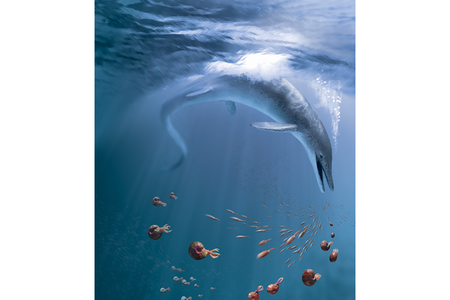
Earth’s Oldest Ocean Giant Was a Reptile With an Eight-Foot Skull
The newly discovered specimen sheds light on how the sea creatures, known as ichthyosaurs, evolved their gargantuan size so quickly

From Korean Pear Juice to Clove Extract, Scientists Put Hangover Cures to the Test—but None Worked
Researchers examined 23 different at-home treatments for side effects of heavy drinking
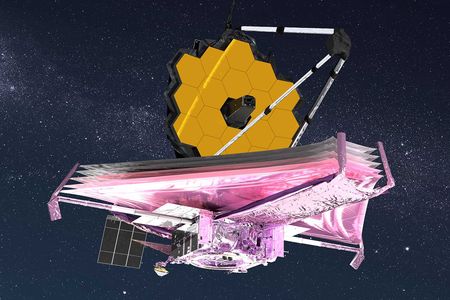
The James Webb Telescope Successfully Launches Into Space
A rocket carrying the $10 billion dollar invention blasted off Christmas morning and powered up as planned, providing astronomers with a long-awaited gift
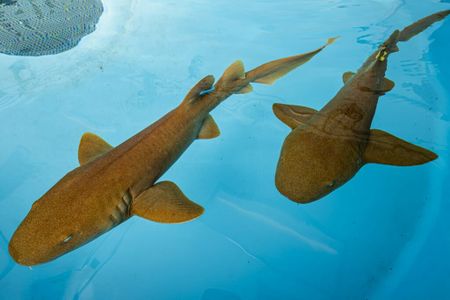
How Shark Antibodies Could Aid the Fight Against Coronavirus and Prepare for Future Outbreaks
The protein-like immune molecules were found to block SARS-Cov-2 from entering human cells
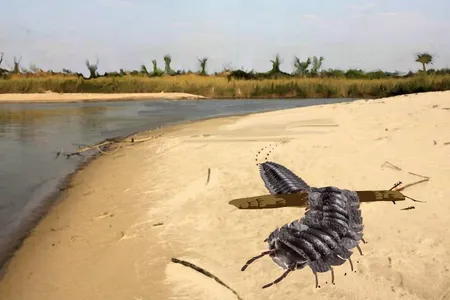
This Ancient, Nine-Foot-Long, 100-Pound Millipede Could Be the Largest Invertebrate to Ever Live
This critter roamed Earth around 326 million years ago, and it’s genus survived for 45 million years
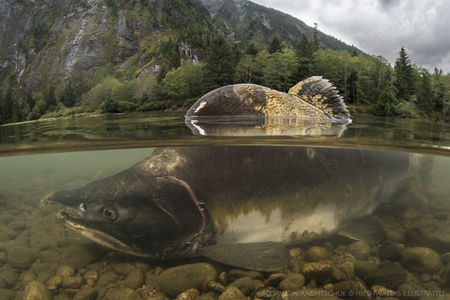
Melting Glaciers May Create 3,800 Miles of New Salmon Habitat by 2100
As the ice retreats, water could carve new streams in the thawed out land
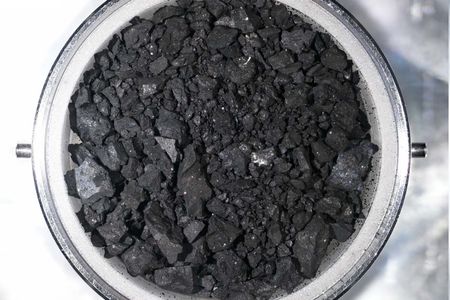
Ryugu is a carbonaceous, water-rich space rock with a unique, dark coloration and porous composition
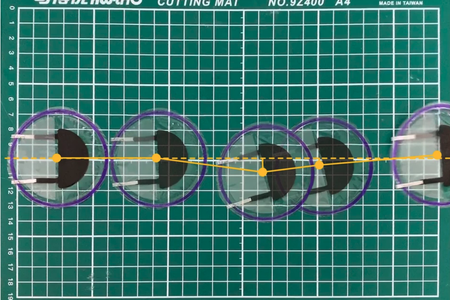
This Legless, Pancake-Shaped Robot Is an Impressive Jumper
A leaping robot is challenging to design, but this one can hop six times its body length per second and nearly eight times its height
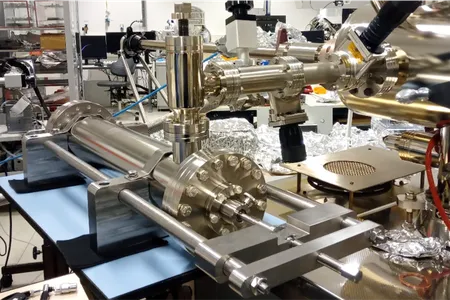
Why Scientists Waited 50 Years to Study This Moon Dust
This Christmas season, researchers will finally get to unseal the contents of a soil sample from the Apollo 17 mission
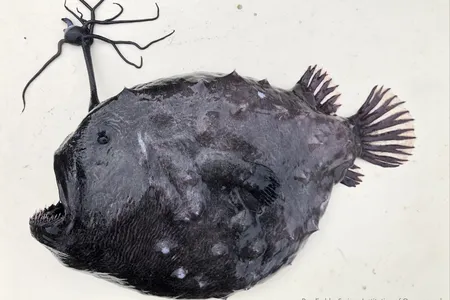
For the Third Time This Year, a Deep-Ocean ‘Football’ Fish Has Washed Ashore California’s Beaches
Prior to this year, a beached specimen hadn’t been seen since 2001
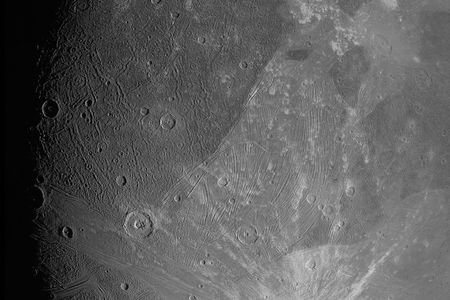
Jupiter’s Moon Ganymede Sounds Like Dial-Up Internet
The 50-second audio track was pieced together from data collected by NASA’s Juno Spacecraft

The CDC Now Recommends Pfizer and Moderna Covid-19 Vaccines Over J&J
The decision comes after more evidence linking the Johnson & Johnson shot to a rare blood clotting syndrome
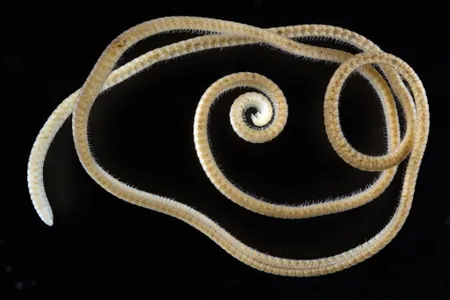
Finally, a Millipede That Actually Has 1,000 Legs
The title is often a misnomer, with many species falling hundreds of appendages short of a thousand. With 1,306 feet, this new insect lives up to its name
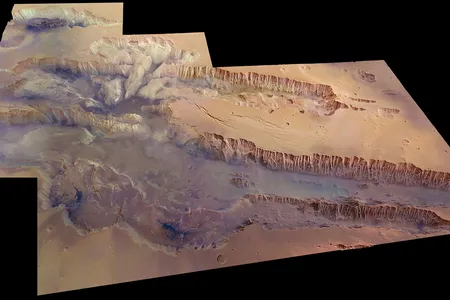
Beneath Canyons on Mars, Astronomers Find Potentially ‘Water-Rich Area the Size of the Netherlands’
A Martian orbiter located a large reserve of hydrogen in a mountainous area of the Red Planet
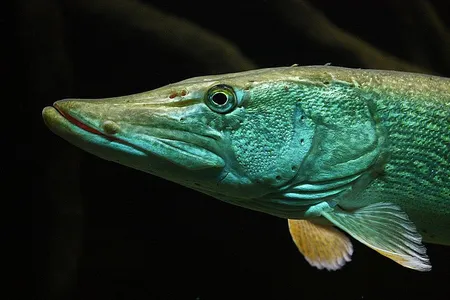
Fish Can Recover Surprisingly Quickly From Mercury Pollution
If the chemical stops leaking into freshwater ecosystems, its concentration in some fish species can drop by more than 75 percent
Page 198 of 556