Subscribe to Smithsonian magazine and get a FREE tote.

Smart News / Smart News History & Archaeology

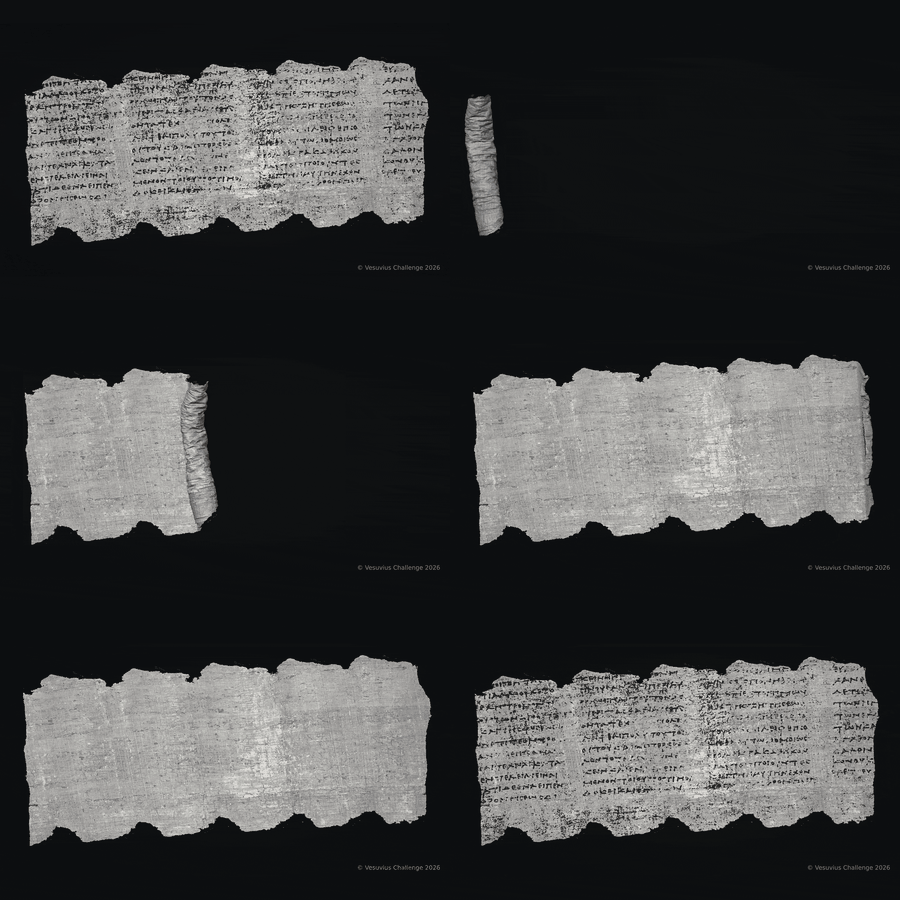
Researchers have virtually unwrapped a nearly five-foot-long segment of PHerc. 1667.

Scientists Have Deciphered the Surviving Fragments of a 2,000-Year-Old Philosophical Treatise Frozen in Time by Mount Vesuvius’ Eruption

The papyrus manuscript was part of a vast library preserved by volcanic ash. Now, the remaining passages—which examine ethics, knowledge and human nature—are accessible for the first time since 79 C.E.
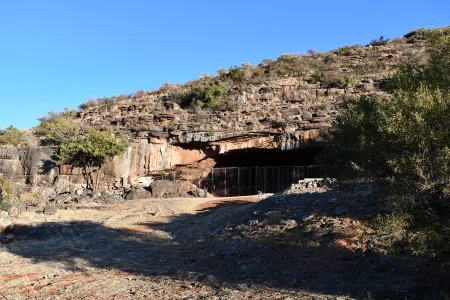
Modern humans and our relatives have occupied Wonderwork Cave in South Africa for around two million years.

Early Humans May Have Used Fire 1.8 Million Years Ago, Nearly Doubling the Age of the Oldest Known Evidence for the Feat

In Wonderwerk Cave in South Africa, burned bones were found in a dirt layer associated with Homo erectus. The inhabitants probably hadn’t mastered fire-making, but researchers say they may have moved and maintained flames from a natural fire
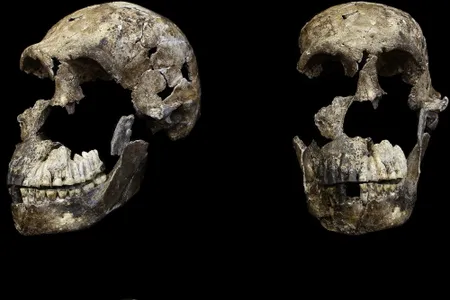
A fossilized Homo naledi skull

New Research

Did These Prehistoric Primates Really Bury Just Their Female Dead Deep in a Cave?

Researchers say that the fossilized bones of “Homo naledi,” so far found exclusively underground in South Africa, lack a key genetic male marker

Mushroom clouds from atomic bombs over Hiroshima (left) and Nagasaki (right) 

The Lost Memoir of a Hiroshima Survivor Was Rediscovered. Now, It Will Be Published as a Book and Adapted for Film

Nearly 80 years ago, Kiyoshi Tanimoto documented the aftermath of the Hiroshima bombing during World War II. His manuscript was recently found in a U.S. library

The Mozart notebook was found in a stack of roughly 20 manuscripts at the National Library of France.

Cool Finds

Why Did the Handwriting in This 248-Year-Old Notebook Look Familiar? It Turned Out to Be a Forgotten Mozart Manuscript

While working as a tutor in 1778, the composer created seven short pieces for flute and harp with his student’s help. This month, audiences heard the works performed for the very first time
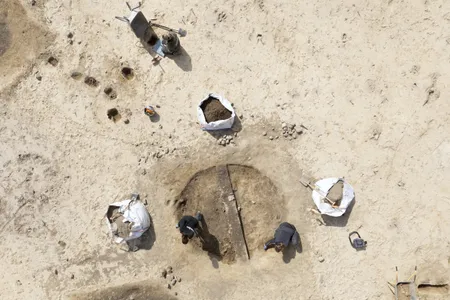
Archaeologists found 82 pit houses, where they suspect people lived and worked.

Were Vikings Really ‘Uncivilized’ Barbarians? Large Textile-Production Site Discovered in Denmark Challenges That Stereotype

The massive settlement, which spans more than a million square feet, likely dates to the late Iron Age or early Viking Age between 600 and 950 C.E.

Gaps in the western pediment have been filled in with marble blocks.

Greece Restored Part of the Parthenon’s Western Facade, Revealing Its Original Shape Not Seen in Centuries

The project in Athens started in 2017 and involved quarrying, transporting, hand-carving and placing new marble blocks in one of the landmark’s triangular pediments
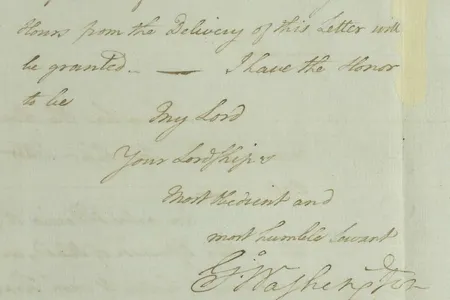
With the letter, George Washington accepted British surrender at Yorktown, paving the way for American independence. 

America's 250th Anniversary

A Letter Signed by George Washington That Helped Pave the Way for American Independence Goes on Display in London

Washington dictated and signed the letter in October 1781 to formally accept the British surrender at Yorktown, writing of his “ardent desire to spare the further effusion of blood”
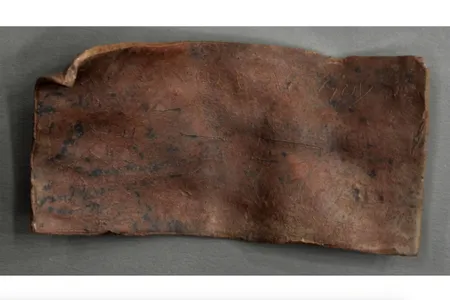
The Heerlen curse tablet has an ancient Greek inscription.

Cool Finds

This Magical Curse Written in Greek on a Small Lead Tablet Was Meant to Punish Enemies Nearly 2,000 Years Ago

The lead curse tablet was discovered in a city square in the Netherlands and recently deciphered by researchers in Germany

An abandoned section of the railway in Myanmar photographed in 2015

This Infamous ‘Death Railway’ Station, Built by Forced Labor From Prisoners of War and Civilians in World War II, Was Just Revealed in Thailand

The Nithe Station, usually submerged under a reservoir, will be accessible this summer as officials drain the site to perform dam maintenance
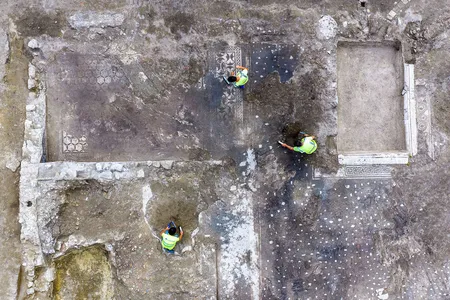
Aerial view of excavations at the newly discovered villa in Castel di Guido

Cool Finds

Authorities Investigated Reports of an Illegal Excavation in Rome. Then, They Stumbled Upon an Ancient Villa Adorned With Mosaics

In the second century C.E., Roman emperors such as Marcus Aurelius and Antoninus Pius frequented the area where the residence was found
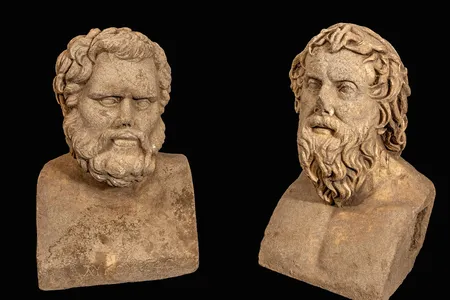
The two protomes, approximately 1,700 years old, were found laying face-down inside an empty wine vat in a villa near the Mediterranean Sea. 

Cool Finds

Two Well-Preserved Roman Busts Were Discovered Inside a Wine Vat in Israel Near the Capital City of a Roman Province

One is inscribed with the name “Lycurgus,” suggesting the bust may depict the legendary founder of ancient Sparta

This weekend, thousands of people are expected to gather at Stonehenge to celebrate the summer solstice.

Cool Finds

Archaeologists Discover Evidence That a Wooden Prototype for Stonehenge May Have Aligned With the Solstice 500 Years Before the Stone Circle

The remains of a wooden monument in southern England, three miles away from Stonehenge, may demonstrate Neolithic people’s interest in the heavens
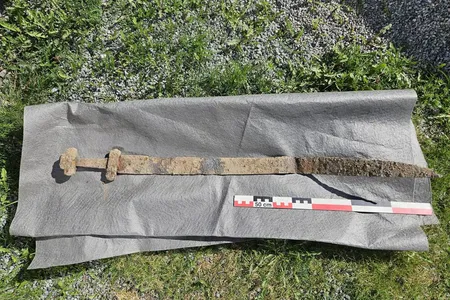
A 6-year-old boy found this single-edged sword in a field in southern Norway in April.

Cool Finds

A 6-Year-Old Boy Spotted Something Sticking Out of the Ground in a Field. It Turned Out to Be a Viking Sword

Henrik Refsnes Mørtvedt was on a school field trip when he found the roughly 1,200-year-old weapon. The single-edged blade will now be preserved at an Oslo museum
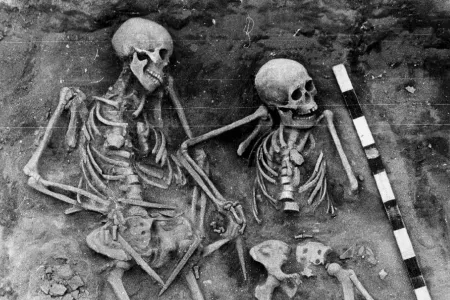
The researchers say the early strains of plague they identified were highly lethal.

New Research

New Discovery That Hunter-Gatherer Children Died of Plague More Than Five Millennia Ago Sets Back the Date of the Earliest Outbreak

The skeletons of nomadic families unearthed in Siberia harbor “Yersinia pestis” bacteria, which challenges theories about conditions needed for the disease to spread
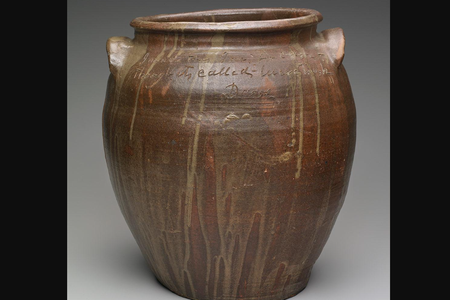
David Drake’s 1857 ceramic jar is featured prominently in the museum’s redesigned 18th-century galleries ahead of its America at 250 celebration. 

America's 250th Anniversary

By Signing His Name to Massive Jars, This Enslaved Artist Defied Literacy Bans in the South. Now, His Masterpiece Is on View With a Famed Paul Revere Bowl

Born into slavery around 1800, David Drake was a skilled ceramicist. His work will be on display at the Museum of Fine Arts Boston as the institution marks America’s 250th birthday

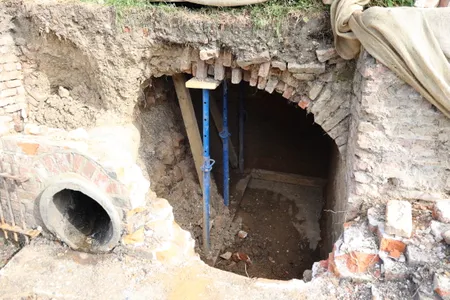
Teachers wonder whether pottery was purposefully stashed in the tunnels for storage.

Cool Finds

Hidden Tunnels Dating Back to Henry VIII’s Reign Were Discovered at This English Boarding School, Where the King Once Lived

Bones, bottles and pottery were found at the New Hall School, which was once Henry VIII’s Palace of Beaulieu. Before that, Anne Boleyn’s father owned the estate
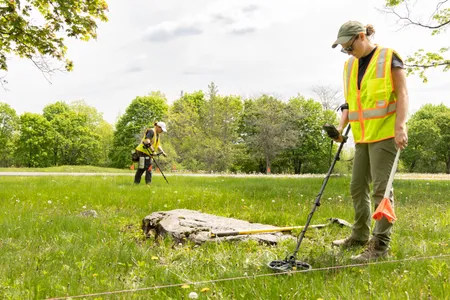
Archaeologists discovered the artifacts on Liberty Hill, a strategic hilltop near Fort Ticonderoga.

America's 250th Anniversary

Archaeologists Unearth Hundreds of Artifacts at Fort Ticonderoga, the Site of America’s First Offensive Victory of the Revolutionary War

The objects were discovered on Liberty Hill, the place where many Continental Army soldiers heard the text of the Declaration of Independence for the first time
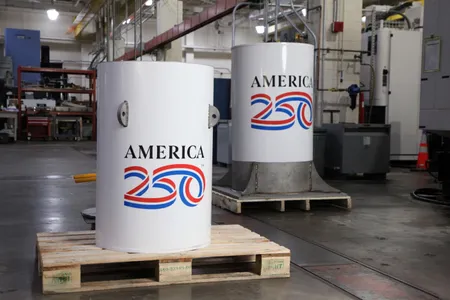
The capsule is cylinder-shaped to minimize edges, through which water could seep.

America's 250th Anniversary

For Its Birthday, the U.S. Will Give Americans of the Future a 900-Pound Time Capsule Filled With Art, Natural Treasures and a Clever Copy of the Declaration of Independence

The capsule was created and filled at the direction of Congress, through the America250 commission. It will be interred beneath an original sculpture on July 4

Page 13 of 353