
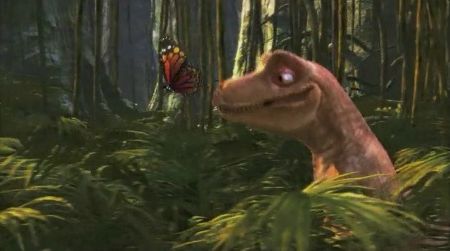
Nothing is cuter than a troublemaking baby Tyrannosaurus
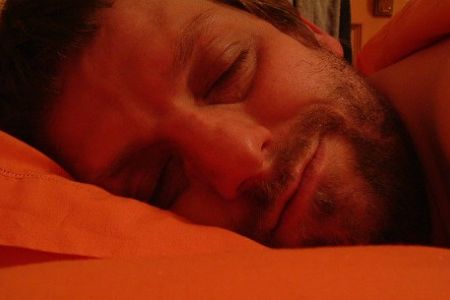
Not a lot of research has been done on lucid dreaming, but new devices are now helping people influence what’s going on in their heads while they sleep
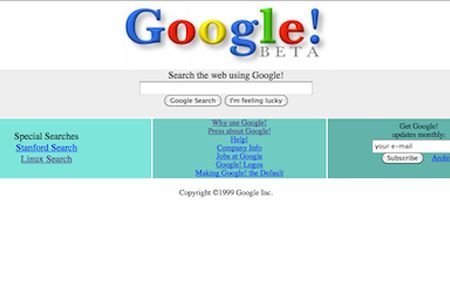
Using the WayBack Machine, we looked back at how the homepage has changed since the early days of the Internet
Your Last Chance to See Venus Pass in Front of the Sun
The transit of Venus is so rare that only 8 transits have occurred since the invention of the telescope

Today Is Your Last Chance This Lifetime to See Venus Pass in Front of the Sun
Venus’ next transit of the sun isn’t until 2117—so read about what to watch for and make sure to look to the skies
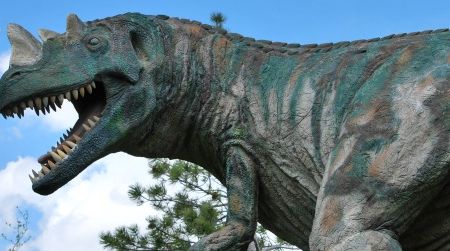
A dinosaur movie not fit for children could really run with the idea of what life would be like if packs of Deinonychus roamed the streets
Siri is far from perfect, but It’s shown the potential of voice recognition software and artificial intelligence. Coming soon: conversations with our cars
Can Technology Save Breakfast?
Cereal companies, maligned for overprocessing, are now using the same techniques to put some nature back in the bowl
The Noah’s Ark of Plants and Flowers
Scientists at a British laboratory are racing to preserve thousands of the world’s threatened plants, one seed at a time
When Continental Drift Was Considered Pseudoscience
More than 100 years ago, a German scientist was ridiculed for advancing the shocking idea that the continents were adrift
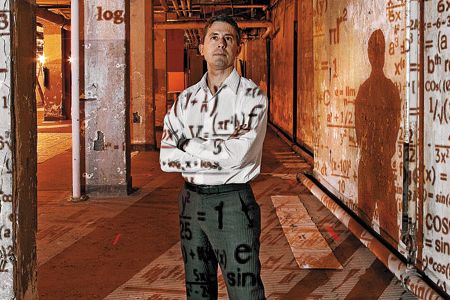
Coming Soon: The New York City Math Museum
New York’s newest museum is anything but formulaic

Can Supervolcanoes Erupt More Suddenly Than We Think?
Enormous magma reserves may sit quietly for just thousands or even hundreds of years
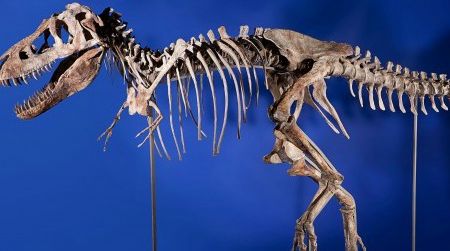
Fate of Auctioned Tarbosaurus Yet to be Determined
An almost complete skeleton was sold for more than a million dollars, but what will become of this rare specimen?
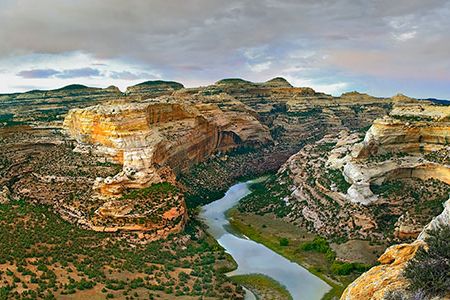
America’s Monumental Dinosaur Site
For the first time in years, visitors can once again see the nation’s most productive Jurassic park
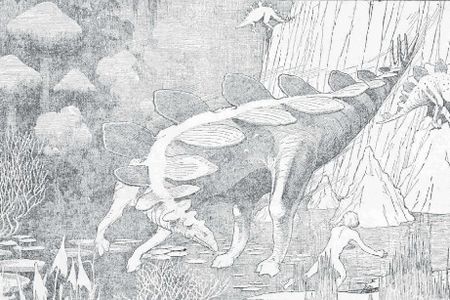
The Fantastic Gliding Stegosaurus
Stegosaurus was as aerodynamic as a brick, but one writer thought the prickly dinosaur used its huge plates for gliding
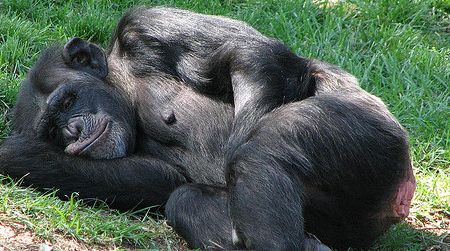
Chimpanzees Sleep in Trees to Escape the Humidity
Making nests in trees keeps chimps comfortable and safe from nighttime predators
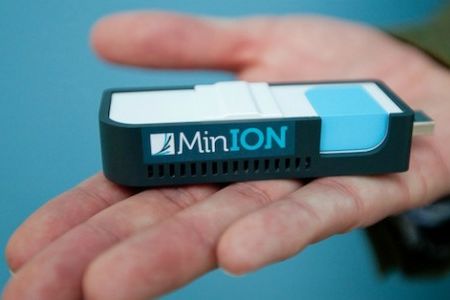
Cracking the Code of the Human Genome
Quick and Cheap DNA Sequencing On the Horizon?
A new technique reads DNA base by base by threading it through a tiny pore
The Genome That Keeps on Giving
When scientists mapped the human genetic blueprint, people said it would change medicine because we’d be able to get clues about our future health
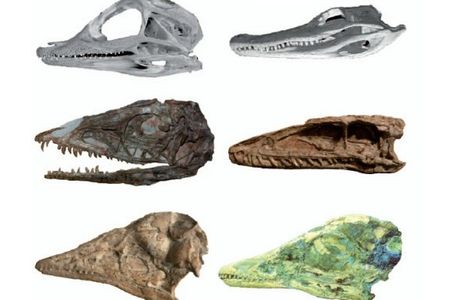
Birds Have Juvenile Dinosaur Skulls
The peculiar way birds grow up got its start among feathery non-avian dinosaurs
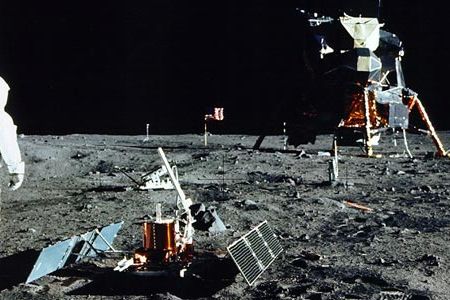
NASA Looks to Protect Historic Sites on the Moon
Scientists worry that a contest to send robotic rovers to the moon will threaten lunar landmarks
Page 286 of 441