Subscribe to Smithsonian magazine and get a FREE tote.

History

Federal wildlife biologists announce on November 6, 1981, that a black-footed ferret, a mammal feared extinct, has been discovered alive and well and living in Wyoming. The 2 1/4-pound male, found at home in a prairie dog burrow, is fitted with a radio collar and released. By 2006, captive breeding and reintroduction helps the wild population rebound to some 700 animals in five Western states.

November Anniversaries

Momentous or Merely Memorable
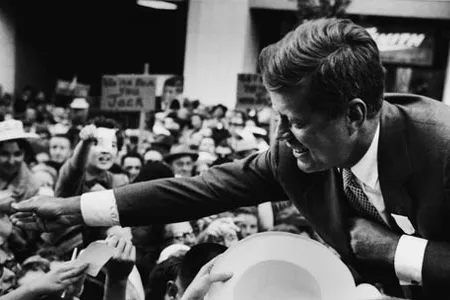
John F. Kennedy on the campaign trail in 1960

Sharp Pencils Shape Elections

How three pioneering reporters reshaped the way the press covers elections-and politics itself
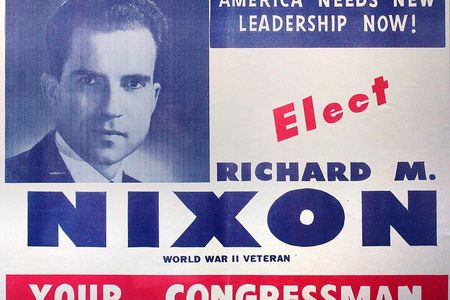
Election flyer/poster distributed on behalf of Richard Nixon's campaign for Congress, 1946

An Interview with William E. Leuchtenburg, author of “New Faces of 1946”

William E. Leuchtenburg discusses the 1946 elections and how politics have changed
None

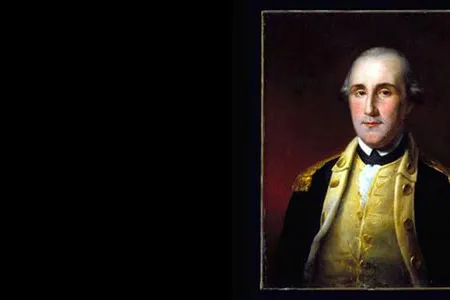
The Spirit of George Washington

After two centuries, Mount Vernon’s whiskey distillery returns
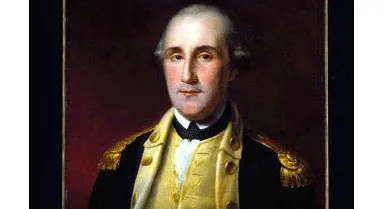
Mount Vernon Ladies' Association

Discovering George Washington

Little-known facts about the nation’s first president
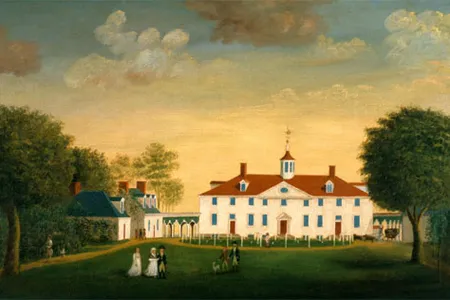
Edward Savage painted this portrait of Mount Vernon in 1792.

Exploring Mount Vernon

George Washington’s historic Virginia plantation

None

October Anniversaries

Momentous or merely memorable

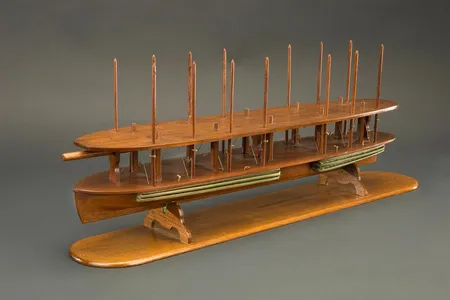
Lincoln’s original patent model was acquired by the Smithsonian in 1908. This replica was built by the Smithsonian in 1978 for long-term display to preserve the fragile original.

Abraham Lincoln Is the Only President Ever to Have a Patent

In 1849, a future president patented an amazing addition to transportation technology
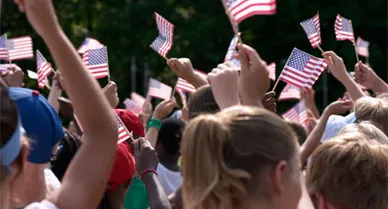
The U.S. ranks third in the world in population, behind China and India. But as the total number of people on the planet increases, demographers are focusing on problems that stem from a shrinking population in surprisingly large swaths of the developed world.

300 Million and Counting

The United States reaches a demographic milestone, thanks largely to immigration

None

September Anniversaries

Momentous or merely memorable

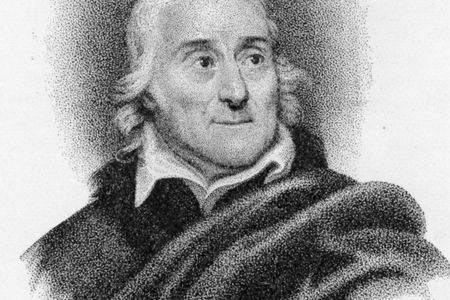
Lorenzo Da Ponte

Encore! Encore!

Lorenzo Da Ponte was a hit in Europe: a courtier, a cad, the librettist for Mozart’s finest operas. But the New World truly tested his creative powers

Steve Fossett is the first person to fly alone around the world nonstop.

Steve Fossett

On March 3, 2005, after 67 hours aboard his Virgin Atlantic GlobalFlyer, he became the first person to fly alone around the world nonstop
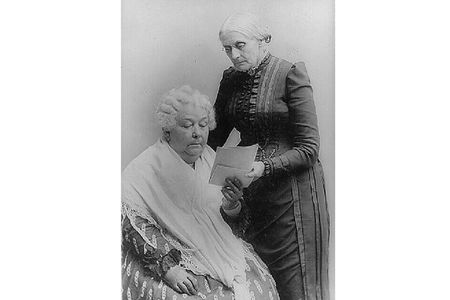
The roots of the women's suffrage movement can be located here: in Seneca Falls, the home of Elizabeth Cady Stanton (seated, with Susan B. Anthony) is a historic landmark. Of the right to vote, Stanton declared: "Have it we must."

How New York’s Finger Lakes Inspired American Notables

New York’s breathtaking Finger Lakes district has influenced historical figures from Mark Twain to Harriet Tubman
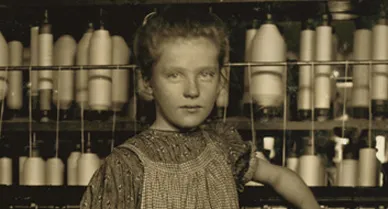
"Anaemic little spinner in North Pownal Cotton Mill" is what Hine wrote.

Through the Mill

Because of a Lewis Hine photograph, Addie Card became the poster child of child labor. But what became of Addie Card?
None

Interview with Elizabeth Wilson, Author of “The Queen Who Would Be King”

Wilson discusses what drew her to study the pharaoh, and Hatshepsut’s enduring allure

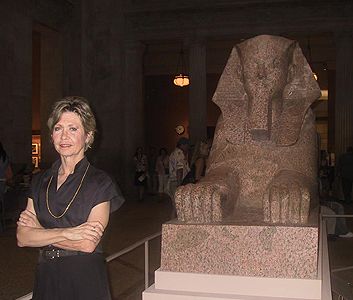
Hatshepsut is depicted in the clothing of a male king though with a feminine form. Inscriptions on the statue call her "Lady of the Two Lands."

The Queen Who Would Be King

A scheming stepmother or a strong and effective ruler? History’s view of the pharaoh Hatshepsut changed over time
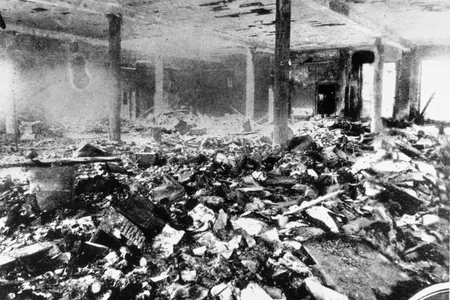
On March 25, 1911, 146 workers perished when a fire broke out in a garment factory in New York City. For 90 years, it stood as New York's deadliest workplace disaster.

Uncovering the History of the Triangle Shirtwaist Fire

The author behind the authoritative retelling of the 1911 fire describes how he researched the tragedy that killed 146 people
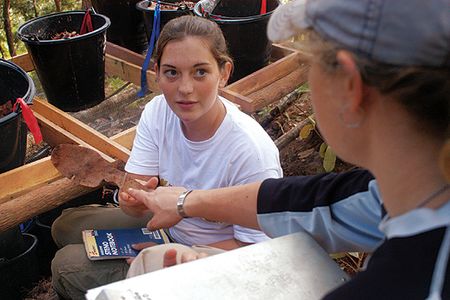
Beth Claypool, a Navy parachute rigger, holds a key find from the Laotian dig, the remains of a metal insole believed to be Bat Masterson's.

Lost Over Laos

Scientists and soldiers combine forensics and archaeology to search for pilot Bat Masterson, one of 88,000 Americans missing in action from recent wars
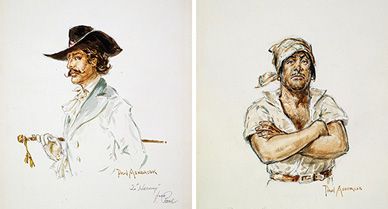
Scourges of the sea: Dashing Jean Laffite (left) and his swashbuckling brother Alexandre, although a study in contrasts, were equally intrepid.

Saving New Orleans

In a new book, the author of “Forrest Gump” paints an uncommonly vivid picture of an overlooked chapter in American history and its unlikely hero
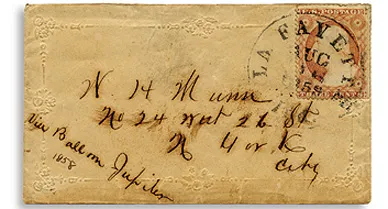
Balloon Jupiter had to land after 30 miles; its mail (here) was sent on by train.

Airmail Letter

Stale Mail: The nation’s first hot-air balloon postal deliveries barely got off the ground

Page 255 of 284