
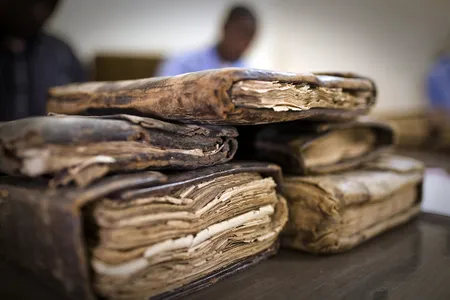
The Race to Save Mali’s Priceless Artifacts
When jihadists overran Timbuktu last year, residents mounted a secret operation to evacuate the town’s irreplaceable medieval manuscripts
The Best Gifts to Give to the History Buff in Your Life
Civil War-era toys and a National Book Award winning title make our list of gift ideas for your favorite historian
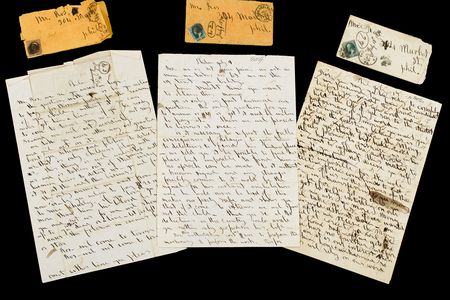
The Story Behind the First Ransom Note in American History
Last year, a school librarian was looking through family artifacts when she stumbled upon the first ransom note in American history
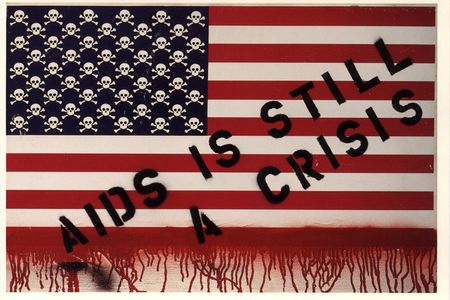
The Confusing and At-Times Counterproductive 1980s Response to the AIDS Epidemic
A new exhibit looks at the posters sent out by non-profits and the government in response to the spread of AIDS

Dear Sir, Ben Franklin Would Like to Add You to His Network
Historian Caroline Winterer’s analysis of Franklin’s letters applies big data to big history
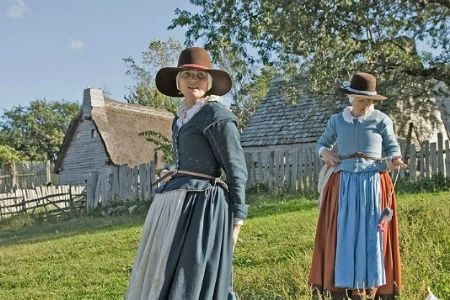
This Thanksgiving, Step Back in Time and into 17th-Century Plymouth Colony
Reenactors in this “living museum” bring the Pilgrim’s homestead back to life
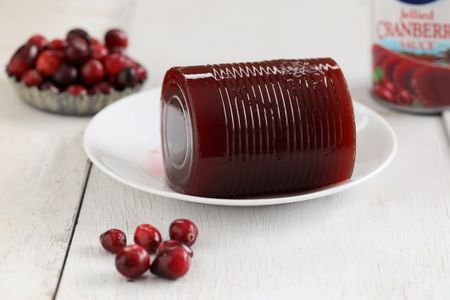
This Man Made the First Canned Cranberry Sauce
How Marcus Urann’s idea revolutionized the cranberry industry
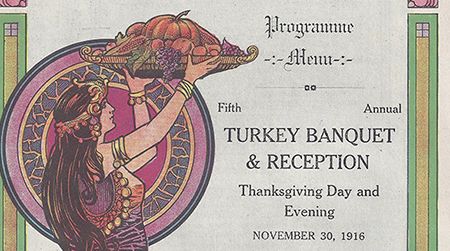
When Thanksgiving Meant a Fancy Meal Out on the Town
From the Gilded Age to the Great Depression, the menu had a lot more than turkey and stuffing
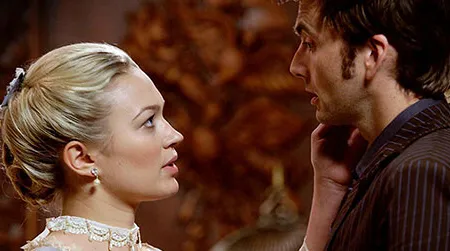
The Top Ten Doctor Who Stories for History Buffs
Fifty years after he was introduced to the world, the Doctor’s influence is bigger on the inside
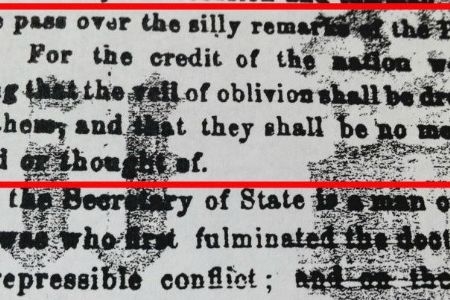
My Great-Great-Grandfather Hated the Gettysburg Address. Now He’s Famous For It
It’s hard to imagine anyone could pan Lincoln’s famous Gettysburg Address, but one cantankerous reporter did just that
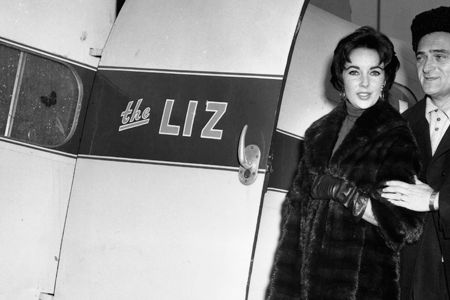
10 Lucky Celebrities Who Escaped Disaster
Most of the time it’s the disasters that are famous—but sometimes, famous people escape disasters instead
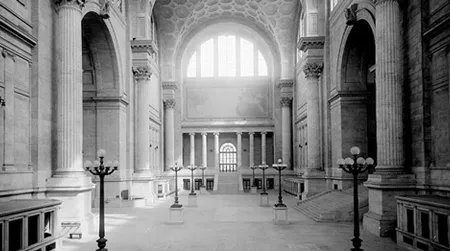
How Nostalgia Plays Into Our Love of Buildings Old and New
Never-before-seen photos reveal that Penn Station wasn’t as pristine as we remember when it was torn down
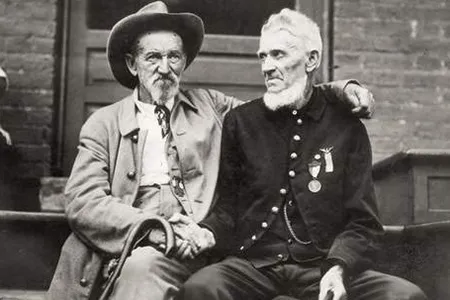
The Last Civil War Veterans Who Lived to Be Over 100… Or Did They?
As America prepared to commemorate the 100th anniversary of the Civil War, two centenarians told their tales — only one was telling the truth
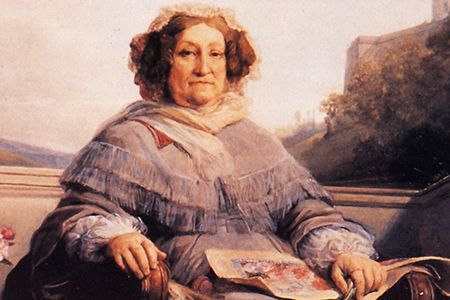
The Widow Who Created the Champagne Industry
Love champagne? Thank a French widow
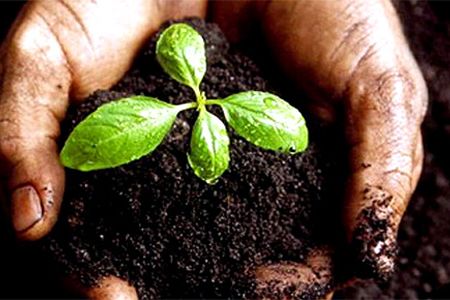
Carbon-Negative Energy Is Here! This Device Makes Clean Energy and Fertilizer
A Berkeley startup’s new spin on an old fuel-producing technology is a win-win for the environment
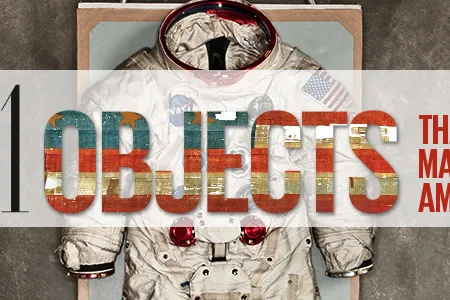
101 Objects that Made America: America in the World
Pulled from the Smithsonian collections, these items range millennia, from pre-historic dinosaurs to the very first supercomputer
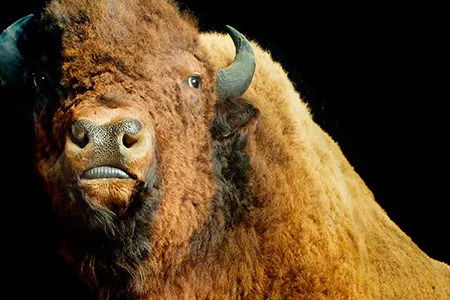
What the Buffalo Tells Us About the American Spirit
Playwright David Mamet writes that whether roaming free or stuffed, this symbol of the West tells a thousand stories
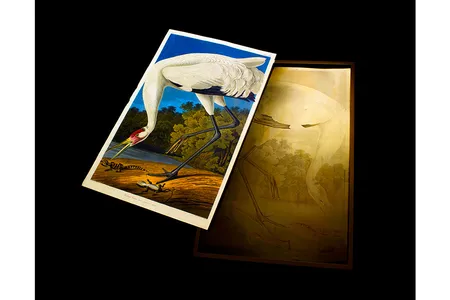
How James Audubon Captured the Romance of the New World
An amateur naturalist’s unparalleled artworks still inspire conservationists and collectors alike
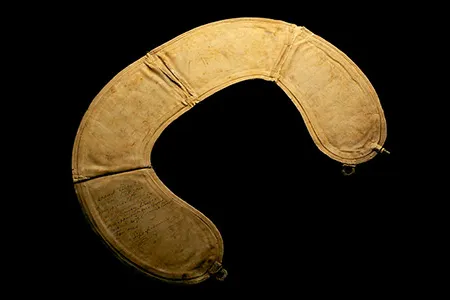
Explorer John Wesley Powell filled in “great blank spaces” on the map – at times buoyed by a life preserver
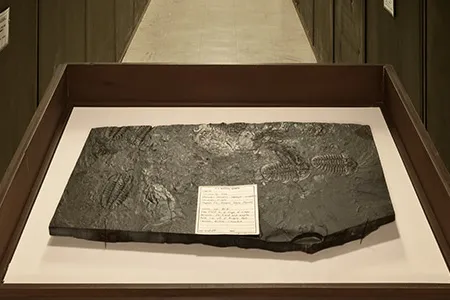
How the Burgess Shale Changed Our View of Evolution
The famed fossils are a link to some of the first complex creatures on Earth
Page 201 of 284