Subscribe to Smithsonian magazine and get a FREE tote.

Articles

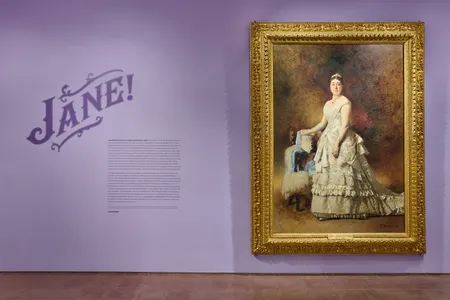
The "Jane!" exhibition is on view at the Cantor Arts Center through May 18, 2028.

Women Who Shaped History

Stanford University’s Founding Matriarch Was a Travel-Loving Philanthropist Who Met a Tragic End. A New Exhibition Explores Her Life, Grief and Death by Poison

Jane Stanford’s legacy is the focus of a new showcase at the California university. The display features artifacts that have never previously been exhibited
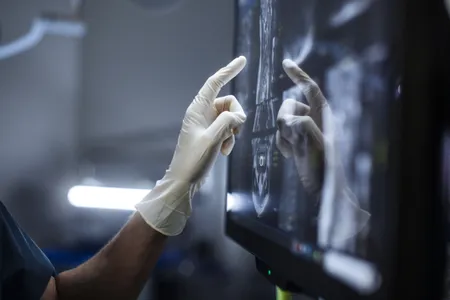
Among medical fields, radiology has pioneered the adoption of A.I. tools. Yet combining the complementary strengths of human and machine intelligence is not straightforward.

How A.I. Will Reshape Radiology—Without Replacing Radiologists

Human experience and flexibility are still necessary even as digital diagnostic tools improve
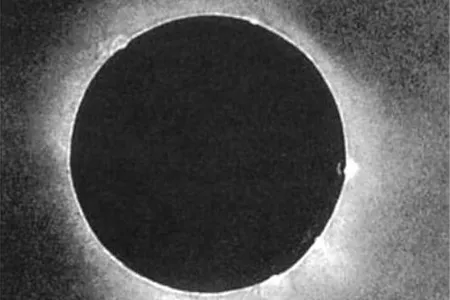
A copy of the first daguerreotype photograph of a total solar eclipse

A Little-Known Photographer Captured the First Clear Image of a Total Solar Eclipse 175 Years Ago. Today, These Celestial Events Still Reveal the Mysteries of the Sun

Ever since that first daguerreotype on a light-sensitive metal plate, eclipse observations have continued to unveil the star’s corona and bring people together to experience the solar system’s majesty
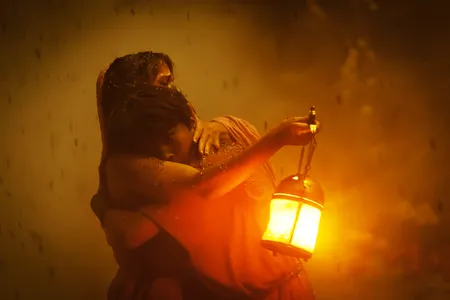
Felicio (played by Frankie Treadaway) and his mother (Madeleine Walker) try to escape Mount Vesuvius' eruption in "Pompeii: Out of Time With Tom Hiddleston."

Based on a True Story

We All Know the Story of the Pompeii Victims Who Died When Mount Vesuvius Erupted 2,000 Years Ago. Archaeologists Are Still Learning About Those Who Made It Out Alive

A semi-fictionalized documentary series hosted by actor Tom Hiddleston follows three people in the ancient towns of Pompeii and Herculaneum who experienced the disaster in 79 C.E.
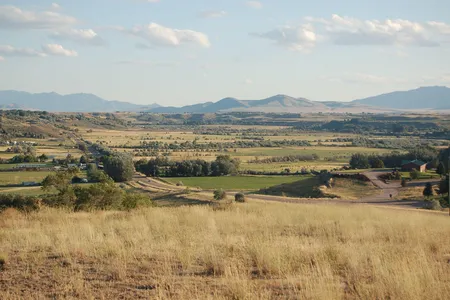
The site of the Bear River Massacre, which claimed the lives of an estimated 250 to 500 Shoshone on January 29, 1863

This 1863 Massacre Was the Deadliest Slaughter of Native Americans in U.S. History. Now, the Shoshone Are Restoring the Site of the Attack

Amid mounting tensions between white settlers and the Shoshone, Union soldiers killed an estimated 250 to 500 Shoshone. Today, the Indigenous nation is working to bring “nature back into balance”
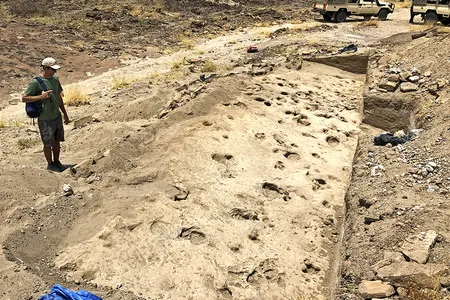
An overview of the excavated track surface with a mix of deeper hippopotamus and antelope footprints and shallower hominin tracks visible

Ancient Fossil Footsteps Found in Kenya May Hint That an Early Human Relative Was Larger Than Previously Thought

The trackway sheds light on how some hominins moved around their environments and with one another
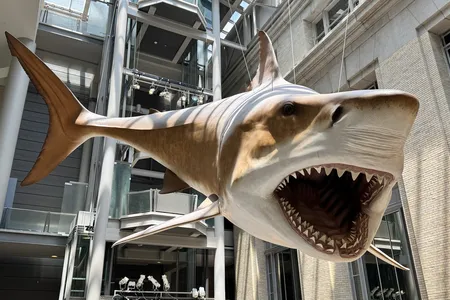
A 52-foot-long model of a female Otodus megalodon is suspended from the ceiling at the Smithsonian National Museum of Natural History.

Predatory Sharks Grew to Enormous Sizes in Prehistoric Times. These Five Strategies Helped Them Get So Big

By cannibalizing their siblings in the womb or avoiding meat-eating pliosaurs, fearsome carnivores like the megalodon ballooned to proportions that would dwarf any shark alive today
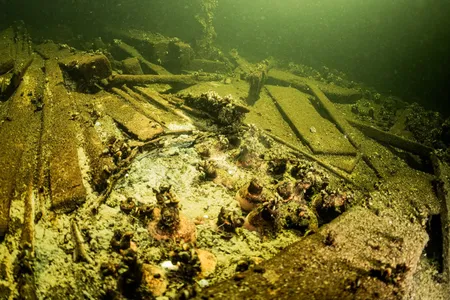
“This wreck is an absolute, untouched monument to 19th-century diplomacy and elite international relations in Europe,” says diver and researcher Pawel Truszynski.

Cool Finds

This Ship Sank in the Baltic Sea With Presents Bound for a Romanov Czar. Its Cargo Included Champagne, Luxury Mineral Water and Rare Meteorites

New research suggests that a shipwreck discovered off the coast of Sweden in 2024 may have been transporting gifts from the German Duchy of Nassau to Alexander II of Russia in the immediate aftermath of the Crimean War

Hold music is an audible reminder that our time has value, just not always to the company keeping us waiting.

A Brief History of Hold Music, From Early Patents to the Soundtrack of Customer-Service Purgatory

Sixty years ago, Alfred A. Levy patented his “telephone hold program system.” Little did he know a teenager’s unearthed New Age practice tape would become its enduring anthem

A busy scene unfolds on Broadway in Nashville, featuring a taxicab parked on the curb, a “pedal tavern” and a scooter rider.

Smithsonian Photo Contest Galleries

These Photos of Nashville Will Have You Packing Your Bags for Music City, USA

These 15 images from the archives of the Smithsonian Magazine Photo Contest give us a glimpse of life in Tennessee’s capital city
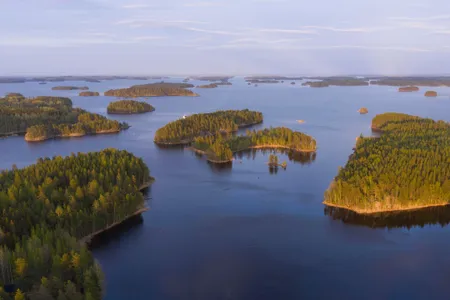
Finland's Lake Saimaa is 111 miles long, 87 miles wide, dotted by about 14,000 islands, pierced by dozens of narrow straits, and surrounded by sheltered bays perfect for ringed seal breeding.

Before Cultural and Natural Wonders Earn UNESCO World Heritage Status, They Are Put on a ‘Tentative’ List. Here Are Five Nominees Worth Visiting Now

Featuring more than 1,800 sites from 181 countries and territories, UNESCO’s tentative list is a treasure trove of lesser-known marvels

Fruit grows on a native avocado tree in southern Mexico

Ancient Genes Reveal That Big, Bright Avocados Were Carried Through the Americas Thousands of Years Ago

People brought large avocado seeds from South America to Central America, kicking off a burst of diversity for the fruit
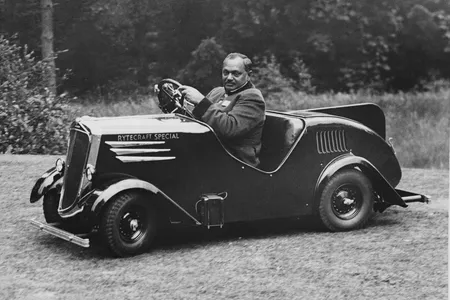
A 1937 photo of Digvijaysinhji Ranjitsinhji Jadeja, the maharaja of Nawanagar

This Indian Maharaja Saved Hundreds of Polish Orphans During World War II, Offering Them Refuge When No One Else Would

Digvijaysinhji Ranjitsinhji Jadeja, ruler of the princely state of Nawanagar, opened his realm to young Poles who had been detained in Soviet labor camps as the children of the intelligentsia
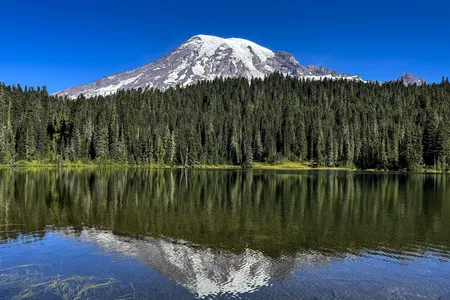
Mount Rainier, an active volcano about 60 miles away from Seattle, has sent fast-moving mudflows known as lahars down its slopes before. Scientists just calculated a date for the most recent one.

A Massive Flow of Rock and Mud Tumbled Down Mount Rainier Centuries Ago. Scientists Pinpointed Its Date to Better Understand the Volcano’s Complex Threats

In a recent study, researchers dated a historic lahar called the Electron Mudflow to the summer of 1507, establishing a way to determine when past geologic events around the Puget Sound occurred

Known as Yowjab to Indigenous Australians, the inshore reef covers about 100,000 acres.

For Three Hours Every Day, Open Ocean Transforms Into Australia’s ‘Ghost’ Reef

An isolated wonder some 1,200 miles from the nearest city, Montgomery Reef disappears as quickly as it appears, mirroring the supposed vanishing of its original owners, a tribe of Indigenous giants
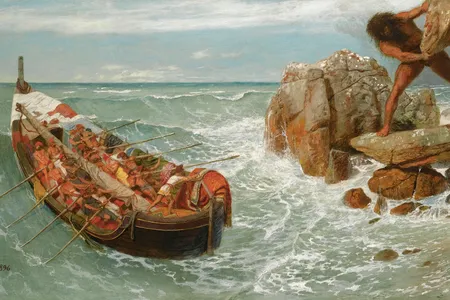
Odysseus and Polyphemus, Arnold Böcklin, 1896

Was There Ever an Original Version of ‘The Odyssey,’ and Do We Need to Worry About What Homer Would Think?

The earliest surviving fragments of the epic poem—the subject of Christopher Nolan’s latest Hollywood blockbuster—date back more than 2,000 years. But oral storytelling about a hero named Odysseus is much older
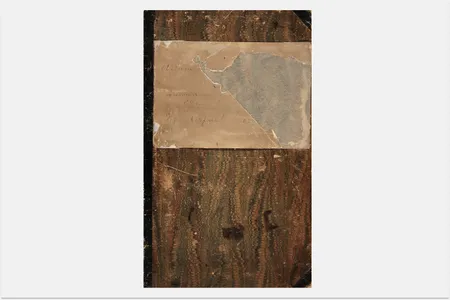
Adam Francis Plummer began this diary in 1841 while enslaved in Prince George's County, Maryland. After his death, his daughter Nellie Arnold Plummer continued the diary.

This 19th-Century Diary Written by an Enslaved Maryland Man Is a Crucial Record of His Life and Family History—and the Only One of Its Kind Found in the United States

Adam Francis Plummer’s chronicle is believed to be the country’s sole known example of a multigenerational journal begun by an enslaved person. It’s now on view at the Smithsonian’s Anacostia Community Museum
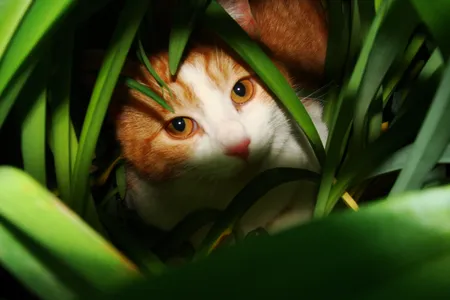
In the bushes on a summer day, the photographer’s cat plays and looks up at the camera.

15 Kitten Photos That Will Make You Feel as Warm and Fuzzy as the Tiny Felines Themselves

These moments from the Smithsonian Magazine Photo Contest highlight curious kittens from around the world
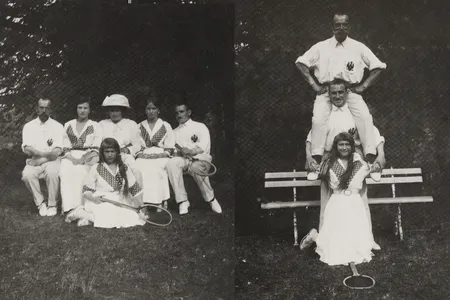
At left, Tatiana, Anastasia and Olga Romanov pose for a photo with their father, Nicholas II, and two members of their retinue. At right, Anastasia kneels at the bottom of a human pyramid topped by the czar.

Thousands of Intimate Photographs Reveal the Everyday Lives of the Romanovs, Russia’s Last Imperial Family

The Bolsheviks executed the last czar, Nicholas II, and the rest of his family, including his famous daughter Anastasia, 108 years ago. Surviving snapshots open a portal into the royals’ private world
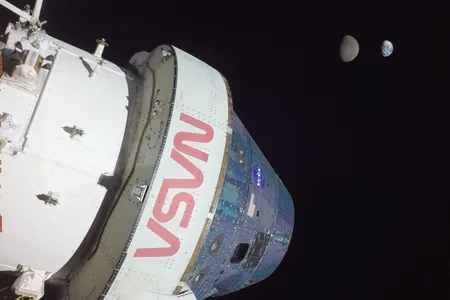
A view of the uncrewed Orion capsule in space during the 2022 Artemis 1 mission, with both the Earth and moon in the background. The Earth looks smaller because it is farther away.

Artemis 1’s Orion Spacecraft Withstood the Heat of Re-entry in a Critical Test for Humans’ Return to the Moon. Now, NASA Will Lend the Historic Capsule to the Smithsonian’s National Air and Space Museum

The exact timeline for the spacecraft’s display hasn’t been announced, but the artifact will fit into an upcoming exhibition on how humans have built a long-term presence in Earth orbit and laid the groundwork for farther space travel

Page 8 of 1287