

A Man With a Lot of Heart Valves Donates His Unusual Collection
Minneapolis entrepreneur Manny Villafana says his collection at the American History Museum is filled with stories of both failure and success

Ask Smithsonian: How Does Night Vision Work?
The ability to see in the dark is becoming more accurate and more portable

This Wearable Device Translates Sign Language To English
The prototype detects hand and finger movements and turns them into words on a screen
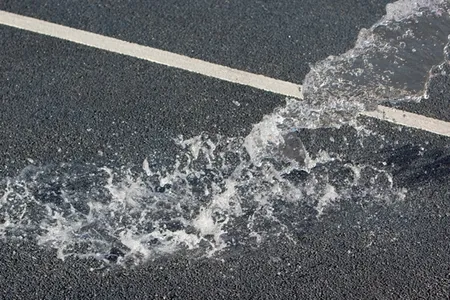
This Concrete Can Absorb a Flood
A UK company has developed a permeable pavement that can drink 1,000 liters of water per square meter in a minute
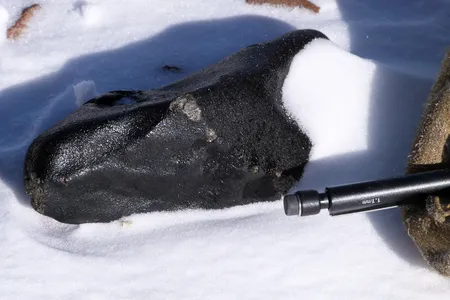
Space Rock Hunters Are About to Invade Antarctica
Scientists with the ANSMET program will endure six weeks near the South Pole during an annual field trip to find meteorites
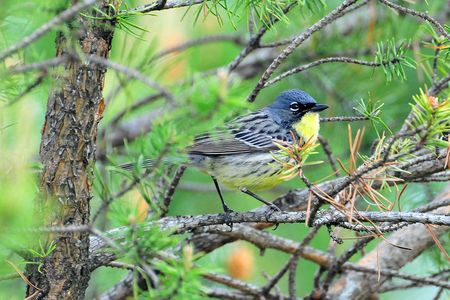
This Bird Didn’t Start the Fires, But It May Need Them to Survive
An endangered bird once threatened by humans now relies on us for its survival
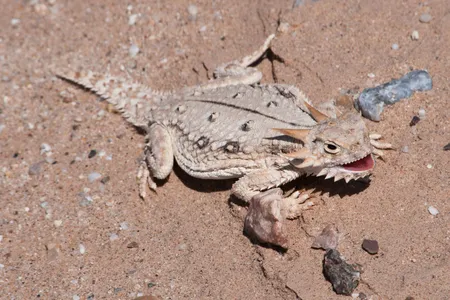
Even Desert Lizards Are Feeling the Heat Due to Climate Change
But Smithsonian scientists are probing the flat-tail horned lizard’s DNA to save the rare species

A search through the Nobel archives shows how the history of the famous prize is filled with near misses and flukes

When Art Fought the Law and the Art Won
The Mapplethorpe obscenity trial changed perceptions of public funding of art and shaped the city of Cincinnati

Holograms Show That Puffy Clouds Have Sharp Edges
A laser-based imaging technique let scientists see what happens to water droplets at the borders of cumulus clouds

What’s Beautiful? It Depends on What Your Eyes Have Already Beheld
Opinions about beauty may be shaped just as much by past social interactions as by our genes
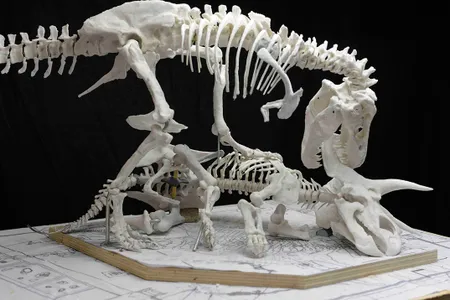
When T. Rex Meets Triceratops in the New Dino Hall, It Will Be a Violent Affair
The Natural History Museum’s dinosaur display highlights the “red in tooth and claw” nature of the Cretaceous way of life

The Rise and Fall of the Plane “Anyone Could Fly”
It was billed as the “Model T” of airplanes. So what happened?

A guide to keeping a little bit of summer in your meals far into winter
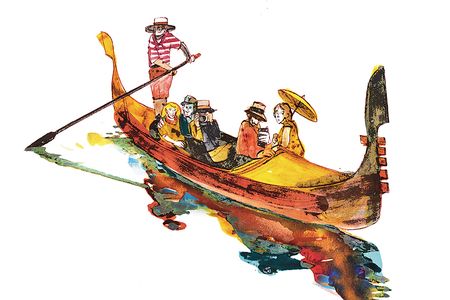
Smithsonian Journeys Travel Quarterly: Venice
Smithsonian Journeys Travel Quarterly: Venice
Discover Venice anew, from its rich history and many cultural quirks to its delightful, present-day customs and excursions
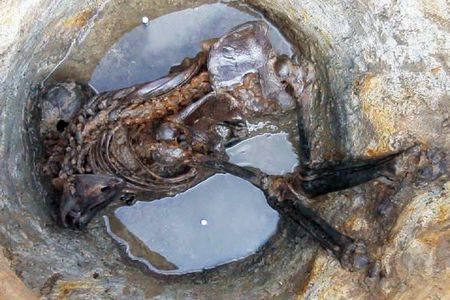
Mummies May Have Been Scattered Across Bronze Age Britain
Skeletal analysis hints that, intentional or not, mummification may have been more common than previously thought
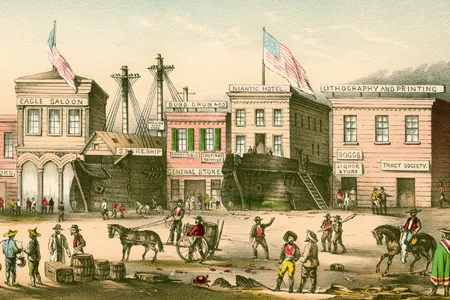
Gold Rush California Was Much More Expensive Than Today’s Tech-Boom California
Back in 1849, a dozen eggs would cost you the equivalent of $90
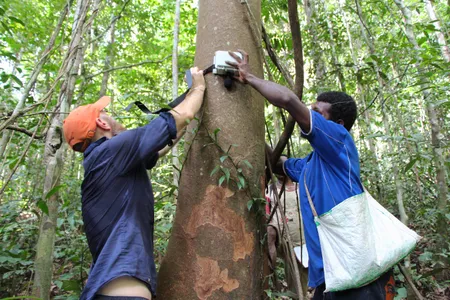
Scientists Are Recording 24-Hour Soundtracks of Rainforests
The bioacoustic data gives Nature Conservancy researchers clues about the health of an ecosystem

Mother Wallabies Are Delaying Births Due to Bright Lights
Marsupials exposed to artificial light had their babies a month later than those that spent nights solely lit by the stars and moon

Wearing Your Art On Your Sleeve
These three artists come from a long tradition of creating wearable art. See many more at the Smithsonian’s upcoming Craft2Wear show this weekend
Page 486 of 1285