Reclaiming Indigenous Food Traditions in the Americas
Learn about dynamic Native people working in different aspects of Indigenous Food Sovereignty, such as ricer, water protector, and birchbark biting artist Giiwedin
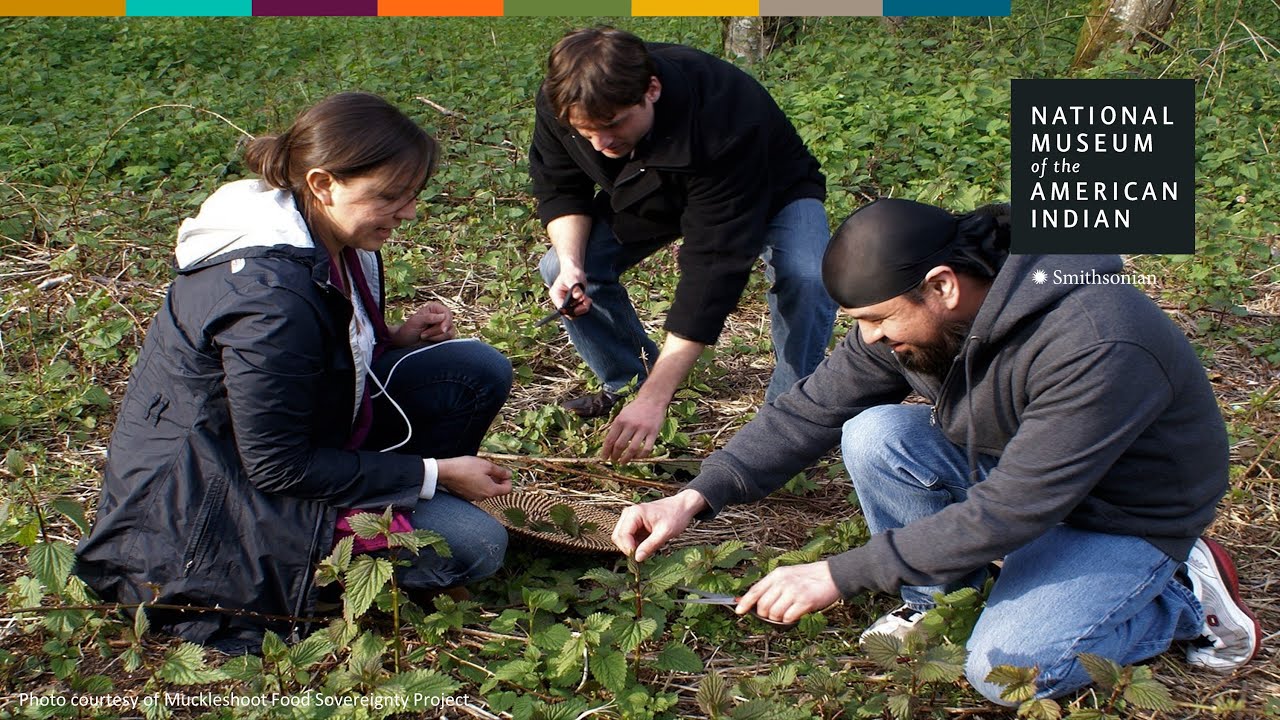
Indigenous food sovereignty (IFS) is defined as the inherent right and ability of Indigenous peoples to define, control, and regenerate their own food, agriculture, and land systems. IFS is deeply rooted in kinship, language, ceremony, and sacred responsibilities to the land, water, and non-human relatives. It centers on the restoration, revitalization, and expansion of traditional foodways. Previously we spoke with James Beard Award-winning chef Sherry Pocknett (Mashpee Wampanoag) about how she is reviving and passing on food traditions taught to her by generations of her family.
More than half of the fruits, vegetables, and grains the world consumes today were first cultivated in the Americas through Indigenous agricultural ingenuity. Native peoples transformed wild plants into what are now global agricultural staples through thousands of years of selective breeding, ecological engineering, and soil management.
Traditional Native food systems were not only efficient and bountiful, they were sustainable. Native peoples maintained healthy interdependent relationships with the environment. The quantity and kinds of foods available depended on keeping the symbiotic relationship intact. Native peoples developed foodways around the principles of stewardship and reciprocity.
“Take only what you need. Take only that which is given. Never take more than half. Leave some for others. Harvest in a way that minimizes harm. Use it respectfully. Never waste what you have taken. Share. Give thanks for what you have been given. Give a gift, in reciprocity for what you have taken. Sustain the ones who sustain you and the earth will last forever.” ― Robin Wall Kimmerer (Potawatomi), The Serviceberry: Abundance and Reciprocity in the Natural World
Meet Giiwedin
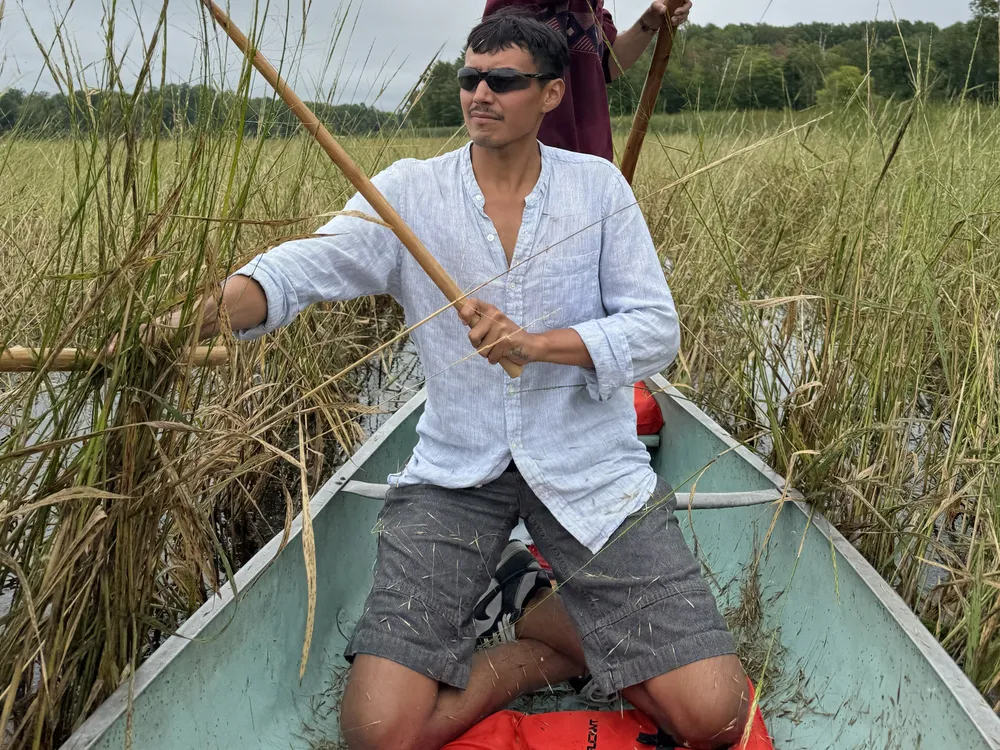
Giiwedin (St. Croix Chippewa of Wisconsin) is a ricer, water protector, and birchbark biting artist. They were raised on the Leech Lake Indian Reservation in northern Minnesota where they now reside. They’re a Two-Spirit educator who teaches others how to harvest and process wild rice – manoomin, Ojibwe for “the good berry” — at wild rice camps in northern Minnesota. In 2022, Giiwedin was named to GLAAD’s 20 Under 20 list honoring young LGBTQ+ changemakers, presented in Teen Vogue. With over 250K followers across platforms, they use social media to share history, language, traditional food harvesting, and social justice issues impacting their communities.
Manoomin is the only grain native to North America. It’s an aquatic annual grass that depends on the shallow, nutrient-rich water of lakes and slow-moving rivers to complete its life cycle. Over hundreds of years, manoomin and the Anishinaabeg built an interdependent relationship in which they take care of each other: “I see wild rice as a plant relative that provides nourishment to not only me, but a community of beings. From the worms who live on the stalks of wild rice and eat the seeds, to the waterfowl that wild rice provides habitat to, to the frogs and fish that swim around the rice bed.”
In her essay "Speaking of Nature", scientist, author, and founder and director of the Center for Native Peoples and the Environment, Robin Wall Kimmerer (Potawatomi) shares how many Indigenous communities perceive the world. She writes "The language that my grandfather was forbidden to speak is composed primarily of verbs, ways to describe the vital beingness of the world.... Birds, bugs, and berries are spoken of with the same respectful grammar as humans are, as if we were all members of the same family. Because we are. There is no it for nature. Living beings are referred to as subjects, never as objects, and personhood is extended to all who breathe and some who don’t.”
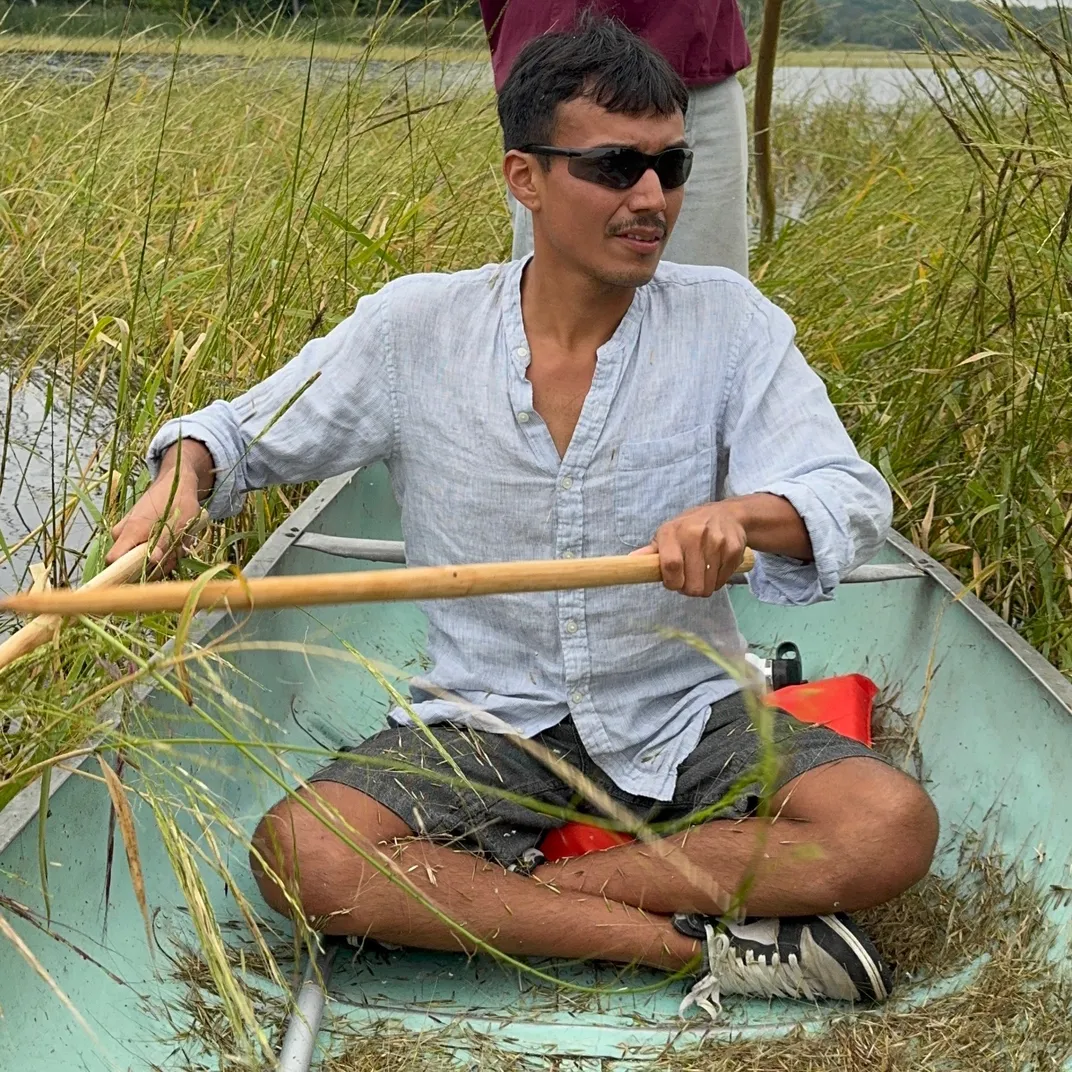
On Giiwedin’s Instagram and TikTok platforms, millions of people now have the gift of witnessing those relationships as Giiwedin and his community harvest and process manoomin. “Harvesting wild rice is a two-person job, one person stands in the canoe and uses a long forked pole to push through the wild rice and one person knocks the wild rice into the canoe.” As the rice is knocked, not all of it makes it into the boat, much of it falls into the water. In a commodity-based culture this would be seen as a loss, but for the Anishinaabeg, it’s an act of reciprocity because those grains will reseed the manoomin.
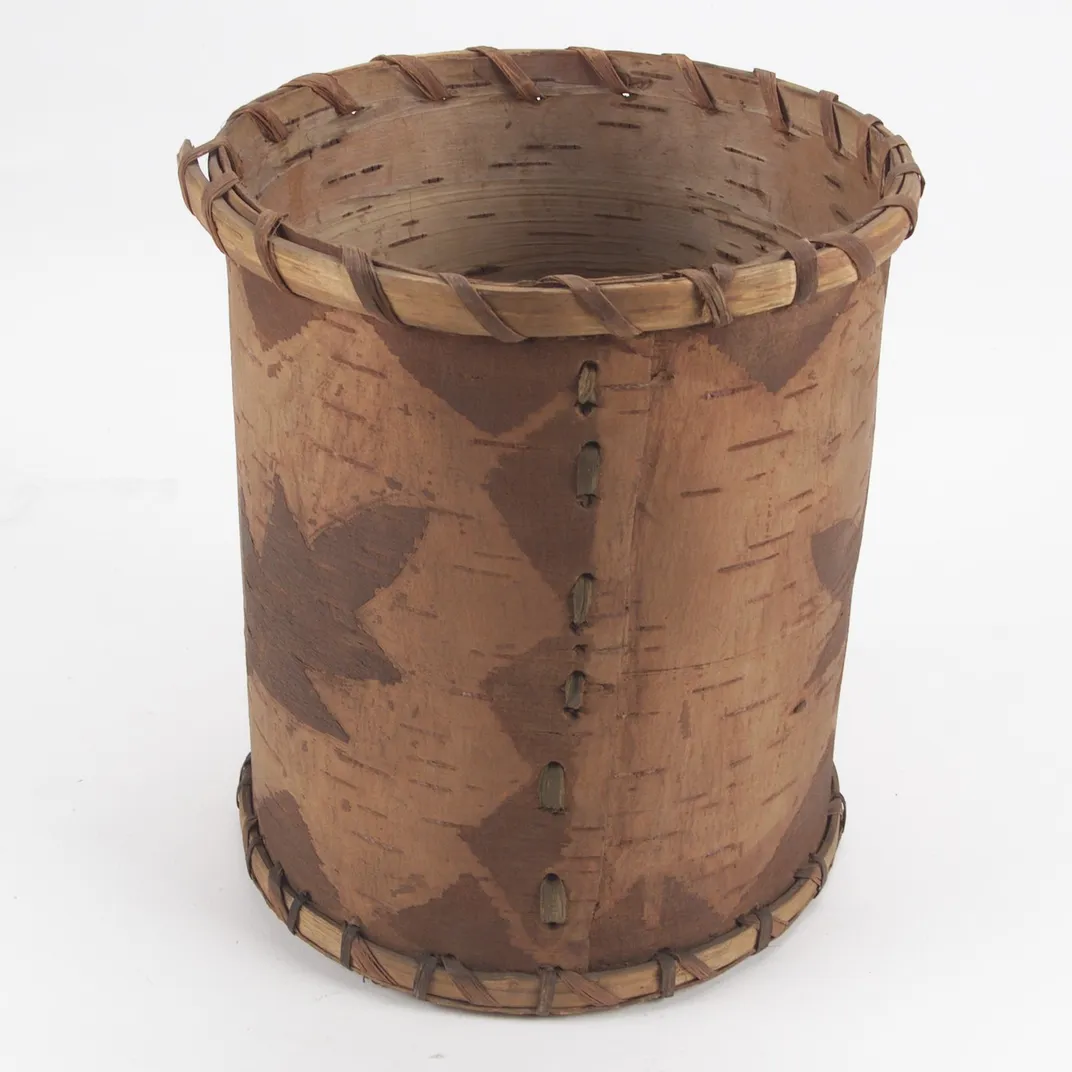
“After harvesting, the wild rice is dried on tarps before being parched, which is just the rice being stirred around in a kettle over a fire. Parching preserves the wild rice and makes it shelf stable. After parching is dancing on the wild rice which breaks off the husks of wild rice. The dancing is done in moccasins made specifically for wild rice processing. Lastly is winnowing the wild rice, a process that utilizes the wind to remove the husk debris from the wild rice seeds.” The museum collection includes historic birch bark winnowing trays, much like what Giiwedin uses today.
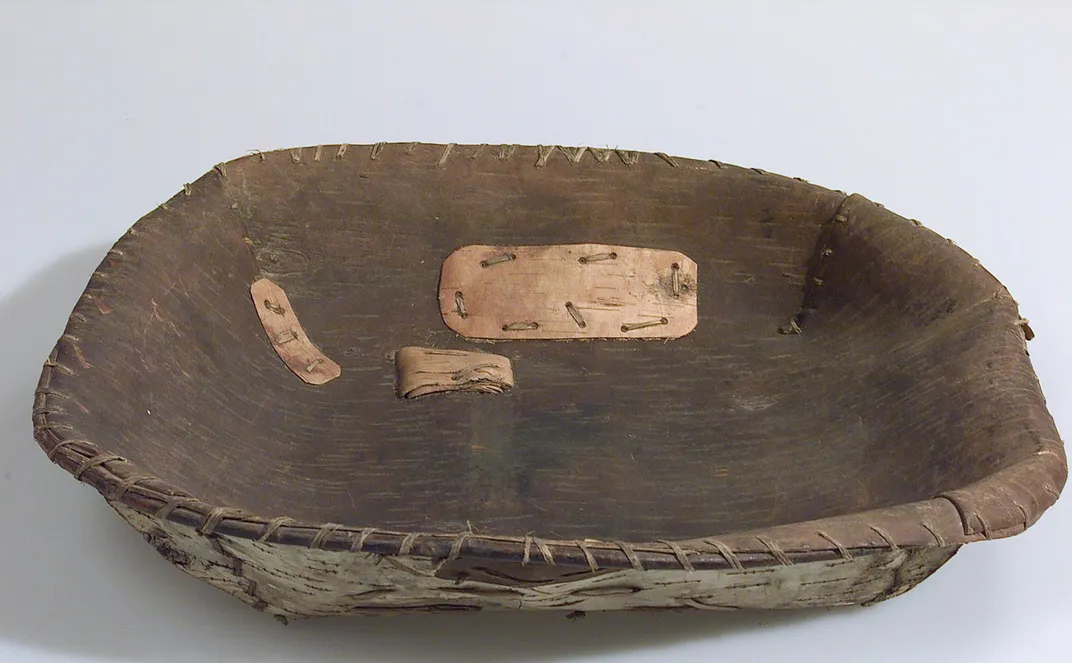
For Giiwedin, their “relationship to manoomin, as for any Ojibwe person, is very personal.” In addition to being a staple food, manoomin is a vital part of Ojibwe cultural, spiritual, and community life. Giiwedin’s earliest memories of wild rice processing are from when they were a toddler. “My aunt parched wild rice every fall and my mom and us kids would go and keep her company as she stirred wild rice in a kettle over a fire. These are memories I think of often because my aunt was Queer and I think it’s really beautiful that my first memory of wild rice is a Queer elder sharing wild rice processing with another Queer person, me.”
Their own journey into wild rice harvesting came when they were studying biology at the University of Minnesota, Morris. They joined the water protectors on the frontline of resistance to Enbridge’s Line 3 Pipeline Project: “My friend and I were on the Shell River where the tar sands pipeline my community, friends and I were opposing was set to cross. We were on the water to harvest wild rice, but also to look for endangered mussels as a way to halt construction of this pipeline.”
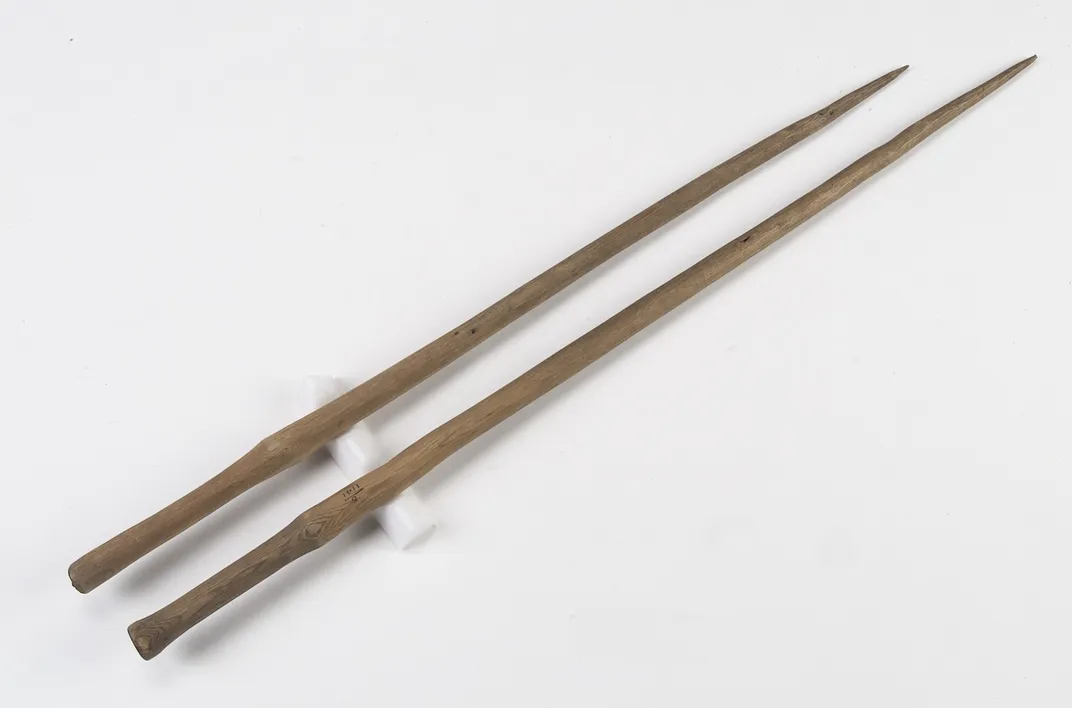
Land protection and reclamation is essential to Indigenous food sovereignty. Pipelines, mines, and other industrial projects are the modern version of a long line of land rights’ encroachments that have disrupted Native lifeways. In the mid-20th Century, the University of Minnesota began domesticating wild rice into paddy-grown strains for sale. This is why the “wild rice” on your store shelves is nothing like the manoomin Giiwedin and their community harvest. And even before that, the Anishinaabeg’s access to their waterways was limited by state-imposed property laws that broke up reservation land for sale to non-Natives.
The land Giiwedin now rices on is reclaimed land. Using funds they made on their social media platforms, they were able to buy back 8.66 acres on their reservation that was held in non-Native ownership. They’ve built a traditional tipi on the land which they call their new home. A home they will continue to fight to protect and care for.
Learn more! What Has to Be on Giiwedin's Table?
“One dish that has to be on the table when I’m celebrating a special occasion is a wild rice salad. It’s made with diced and roasted sweet potatoes, massaged kale, pepitas, craisins, feta, and of course wild rice that has been cooked and cooled, all tossed in a balsamic glaze.”