
Stories from Margherita Bassi
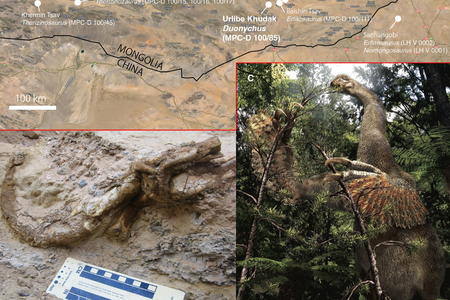
Paleontologists discovered Duonychus tsogtbaatari from fossils uncovered in 2012. It was a giant, feathered creature adapted to grasp and feed on vegetation
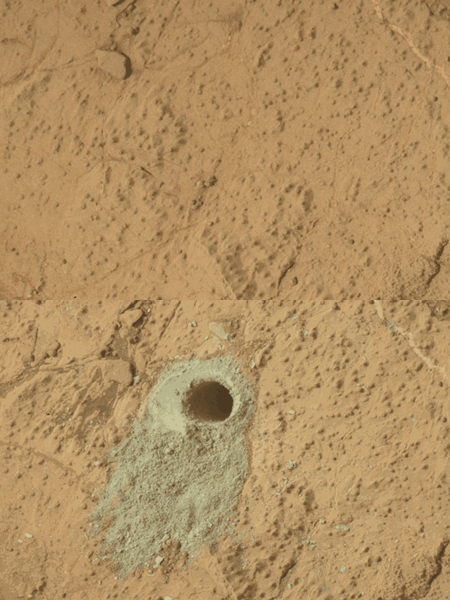
The molecules may be remnants of fatty acids, which form cell membranes in Earth’s organisms, though they might have formed through a non-biological process
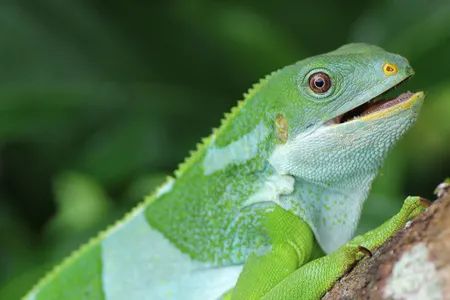
Since most iguana species live in the Americas, biologists have long debated how they could have arrived on the remote Pacific island in the first place
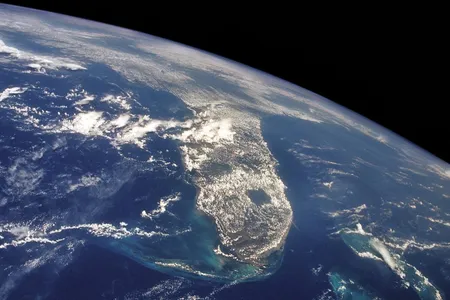
Sea Levels Rose More Than Expected in 2024, According to a NASA Analysis
Ocean warming and thus thermal expansion played a major role in last year’s increase
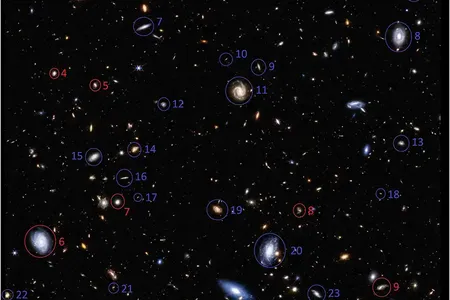
James Webb Space Telescope Reveals That Most Galaxies Rotate Clockwise
This preferred direction of spin might be due to one of two reasons: either our entire universe exists in a black hole, or astronomers have been measuring the universe’s expansion incorrectly
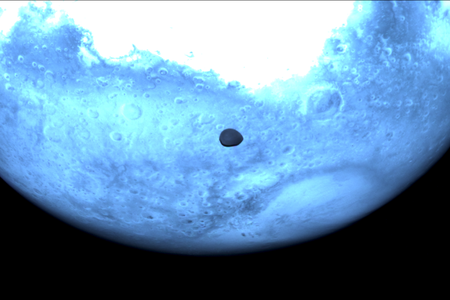
Check Out These Rare Images of Deimos, One of Mars’ Mysterious Moons
The spacecraft Hera’s photographs are some of the few visuals ever captured of the Martian moon’s dark side
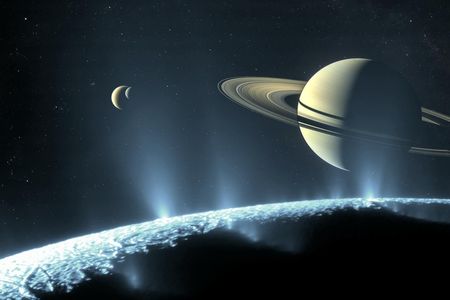
Astronomers Discover 128 New Moons Orbiting Saturn, Cementing the Planet’s Title of ‘Moon King’
The sheer number of objects suggests scientists will soon have to grapple with what counts as a moon versus what’s just a large rock
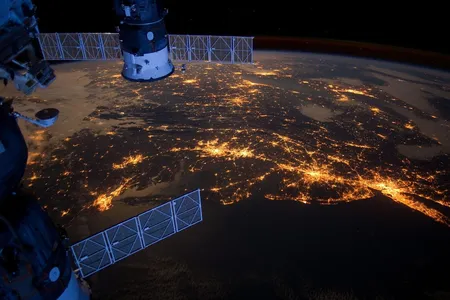
Greenhouse gas emissions could reduce drag in the upper atmosphere, leaving more space debris in orbit and making satellites more vulnerable to damage, according to new research
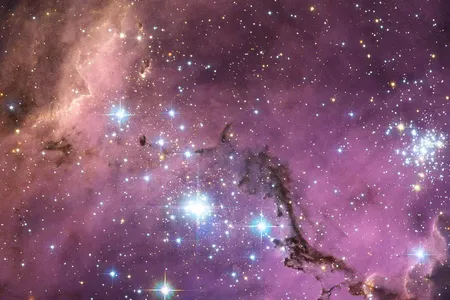
Astronomers Discover Evidence of a Stealthy Supermassive Black Hole Hiding Right ‘Under Our Noses’
The Large Magellanic Cloud is one of the most well-studied galaxies, but new findings suggest it might have been holding a giant secret
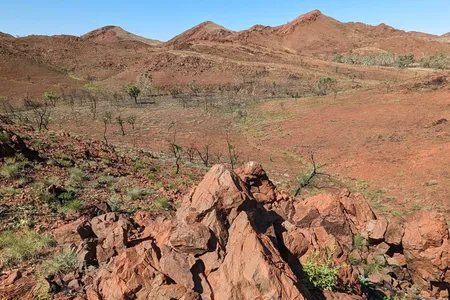
Oldest Known Impact Crater Discovered in Australia
The discovery bolsters the theory that meteorite impacts played an important role in Earth’s early geological history

Human Ancestors Were Making Bone Tools One Million Years Earlier Than Previously Thought
Archaeologists have discovered a collection of prehistoric animal bones in Tanzania that suggests early humans figured out how to transfer tool-making techniques “from stone to bone” 1.5 million years ago
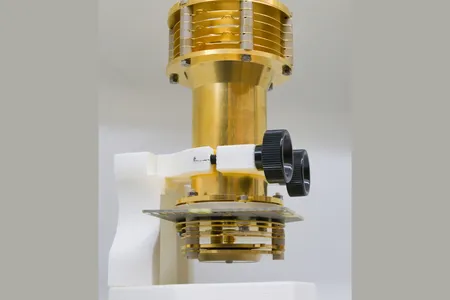
If Mars ever hosted microorganisms in its bygone oceans, their fossils might still be preserved in minerals—and now, we have a new potential way to find them
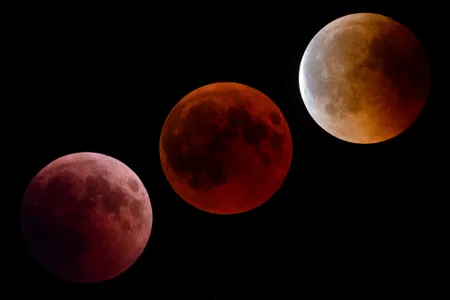
How to See This Month’s Stunning ‘Blood Moon,’ the First Total Lunar Eclipse Since 2022
On the night between March 13 and 14, most of North and South America will be in for an astronomical treat
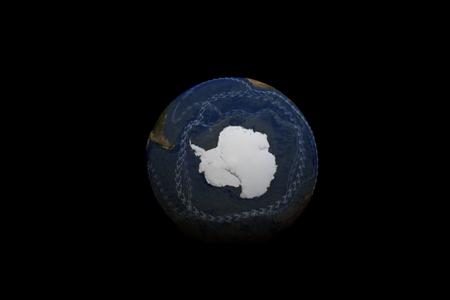
Earth’s Strongest Ocean Current Could Slow 20 Percent by 2050 Because of Climate Change, Study Finds
The Antarctic Circumpolar Current is involved in everything from storing carbon to guarding Antarctica from invasive marine species, and a slower current could have far-reaching consequences
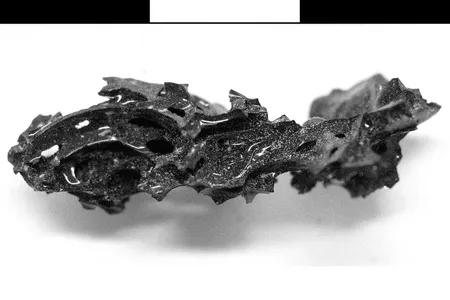
The remains of a young man, found in his bed in the destroyed town of Herculaneum, included glassy fragments that had mystified archaeologists
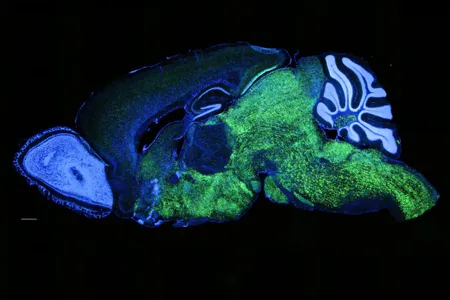
Scientists Identify a Gene Linked to Spoken Language, and It Makes Lab Mice Squeak Differently
A new study suggests the unique human version of the NOVA1 protein developed after our ancestors split from Neanderthals on the evolutionary tree, and it might have given us a competitive edge over our relatives
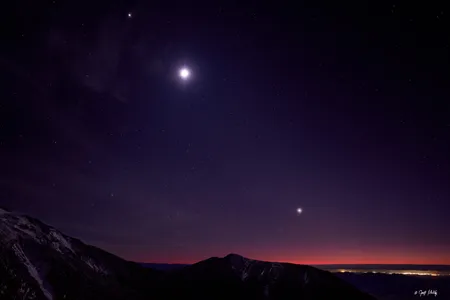
While such a lineup is uncommon, the event might not look exactly how you’re imagining it
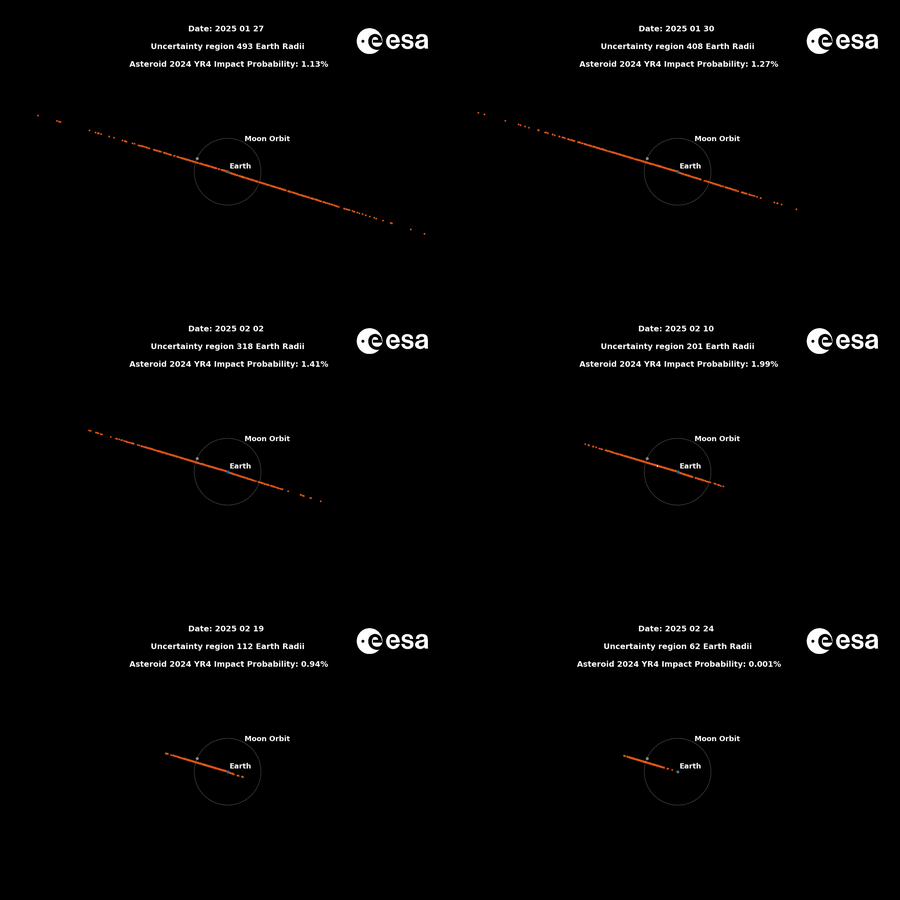
The ‘Riskiest Asteroid Ever’ Is No Longer a Threat as Impact Probability Drops to Near Zero
As astronomers predicted, asteroid 2024 YR4 is not expected to hit Earth in 2032. This week, NASA gave the “all clear”
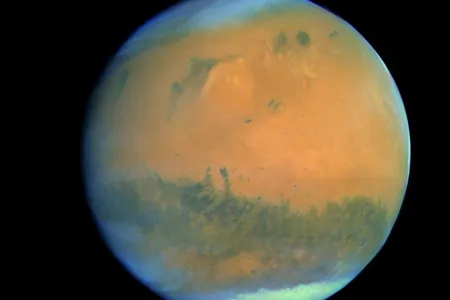
A new study suggests the iron oxide responsible for the red planet’s distinctive hue is ferrihydrite, pointing to the bygone presence of water, an important ingredient for life
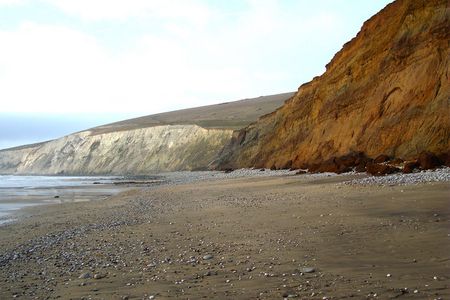
Fossil Tour Guide Discovers Giant, Purple Dinosaur Footprint While Walking Along a U.K. Beach
The roughly three-foot-long, clay print speaks to the Isle of Wight’s rich paleontological history, but it will probably disappear within a couple of months due to exposure
Page 19 of 27