
The Ten Best Books About Food of 2026
Food can provide comfort, and so can cookbooks and food-related memoirs—especially this batch, many of which explore how food can be a salve for mental health
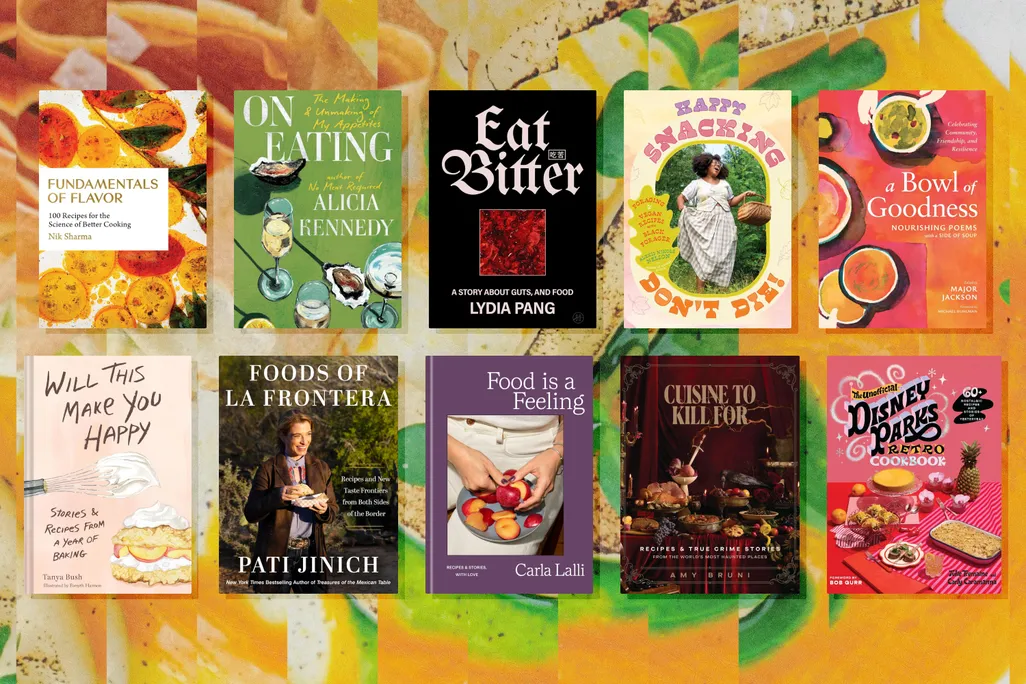
The best part about most cookbooks isn’t necessarily the recipes, but the stories that explain the origin of the recipes. This year’s list of our favorite food books leans into that, featuring ten books that focus on extended narratives on a variety of topics, often on the interconnection of food, lifestyle and mental health. Most of these aren’t the typical cookbooks that take you to a far-off land or into the kitchen of an elite chef, but meditations on why we eat what we do and how it can make us feel. Others expound on surprising topics, like science, immigration, poetry, true crime and … defunct Disney restaurants?
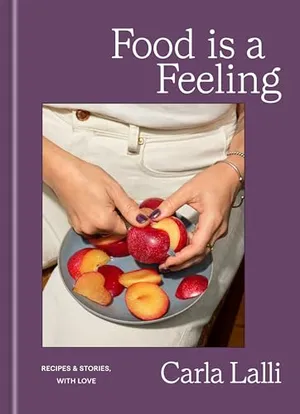
Food Is a Feeling by Carla Lalli
In this book, cookbook author and YouTube personality Carla Lalli leans more on the stories surrounding the end of her quarter-century marriage than neat, tidy recipes. It’s a memoir with recipes; the essays are about coping and grieving and recovering, and each essay is followed by recipes that match the mood, from Heart-Shaped Chicken Cutlets to Separation Pork Chops and a Personal Pot of Beans and Greens. The collection features about 60 recipes—some are more of a vibe than a dish, to be honest, but that’s part of the theme. And if you decide to make one of the recipes in the book, Lalli invites you to make it your own, the best you can under the circumstances you find yourself in. She extends the grace she gave herself during those hard times: “With confidence and freedom, I bequeath you the longest rein.”
One thing to make: Just Like an Olive Oil Cake, but With Sesame Instead
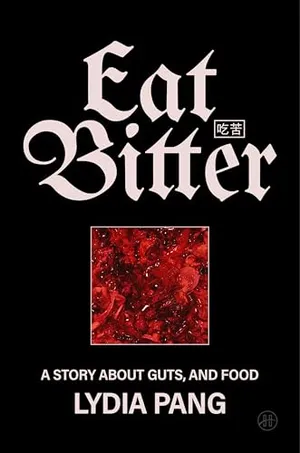
Eat Bitter: A Story About Guts, and Food by Lydia Pang
Lydia Pang, a creative director and author who worked with major brands before establishing her own agency, named her memoir after a Chinese idiom that suggests the good things in life are a reward for enduring harder times. Using her own life as a reference point, she contemplates the role food plays in “reflection and realignment,” with each of the eight chapters titled after a dish that she turns into a metaphor for an aspect of her journey—Hot Mess Wontons become a meditation on surrender; Wishbone Tuna on caring. The introduction feels a bit like Crying in H Mart, Michelle Zauner’s acclaimed 2021 memoir, and even includes a reference to Pang breaking down in tears in a Walmart parking lot. (It’s no coincidence: Zauner gets namechecked in chapter 2.) You’ve probably never read a book that used the words “guts” and “sinew” so often, or in as varied contexts; sometimes figurative, sometimes literal.
One thing to make: Radiator Char Siu
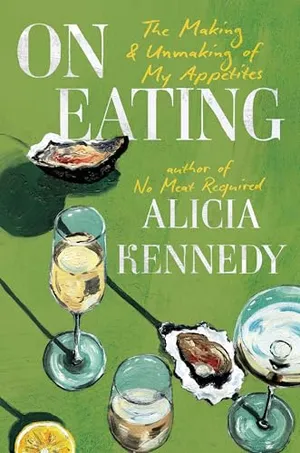
On Eating by Alicia Kennedy
That a memoir about finding your way as an activist food writer appealed to me is no surprise, but I will admit that I was hesitant to suggest such a specific genre to a wider audience. But here we are, because Alicia Kennedy’s path was anything but straight, with vignettes of personal growth and loss, as well as professional opportunity and challenges. Her choice to frame each chapter through the lens of a specific food or drink reads as completely natural. A chapter called “On Chocolate,” for instance, is an umbrella to discuss fair-trade initiatives, comforting treats from a grandparent, the dissolution of a relationship and the start of a baking side hustle. With intermingled threads about her dietary choices, her family, her belief system and her career, the book is imbued with humanity and discernment. And her story is so compellingly told that, taken as a whole, it’s easy to find relatable.
Foods of La Frontera by Pati Jinich
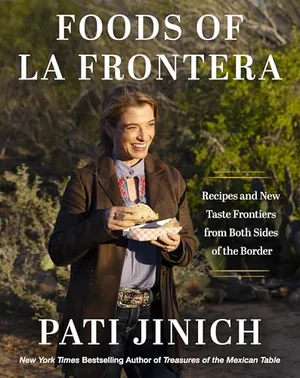
There may be no more congenial culinary ambassador than Pati Jinich, who has hosted “Pati’s Mexican Table” on PBS for 15 seasons. This, her fourth cookbook, is a companion to her new series, “La Frontera,” documenting life along the U.S.-Mexico border. Of the books on this list, this is the closest to a traditional cookbook, with more than 100 recipes that tell the story of the culture that exists along what she essentially argues is an imaginary line running from the Pacific Ocean to the southern tip of Texas. The book and the series are the culmination of ten years of visiting spots along the nearly 2,000-mile border, with recipes to document the stops along the way.
One thing to make: Any (or all) of the varieties of fish and shrimp tacos she includes
Fundamentals of Flavor by Nik Sharma
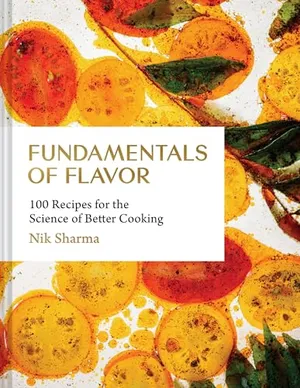
Maybe you’re a good cook and know that you like to grill your steak over high heat and avoid moving it too much so that it develops beautiful grill marks. But do you know why that works better than, say, cooking it over indirect heat? Nik Sharma was a molecular biologist before he became a food writer and photographer, and he can answer that with scientific precision. He takes an elemental approach in this book, organizing chapters based on fire, water, air and earth. It’s also the first cookbook I’ve ever read that genuinely contemplated what cooking in space might look like, building it matter-of-factly into the text, as if that’s something everyone thinks about. The depth and detail he offers in comparing how different scientific principles affect food in different ways—and which you should employ in various scenarios—are staggering. On point, the recipes are tagged to indicate which fundamentals apply to them. Want to make his Crispy Zucchini + Preserved Lemon with Cacio e Pepe? That’s tagged as employing osmosis, boiling and emulsification, all of which Sharma explains.
One thing to make: Golden Garlic + Citrus Roast Chicken
Happy Snacking, Don’t Die! by Alexis Nikole Nelson
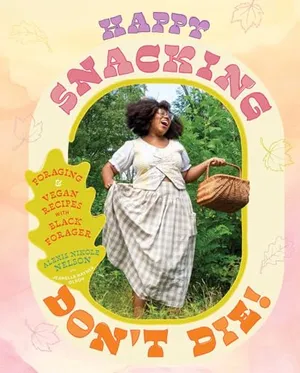
The social media star (@blackforager) commits her enormous personality to the page, offering instruction on eating off the land. Alexis Nikole Nelson has a singular voice and attitude, making her love of foraging infectious. She arranges her advice and instruction by season and by ingredient, and she acknowledges that availability will vary depending on where you’re foraging. The mortal warning of the title is appropriate, but her strategy is to target things that aren’t likely to be confused for anything dangerous. The vegan recipes range from intensely simple (teas and garnishes) to fascinating (a crab cake analogue made with chicken of the wood mushrooms).
One thing to make: Fried Oyster Mushroom Po’Boys
Will This Make You Happy by Tanya Bush
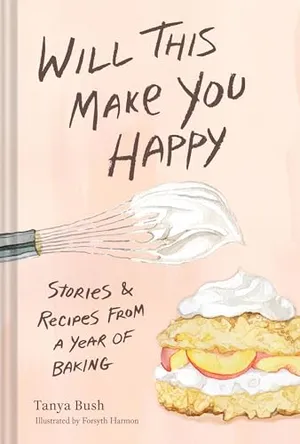
In 2020, I predicted that sometime around 2030, we would be hit with a slew of books about how people translated their pandemic-era boredom into successful careers in food and writing. Tanya Bush is a little ahead of that curve. Her mostly memoir is a series of essays detailing how she baked her way through that year, concurrent with depression and unemployment. Each essay revolves around a baked good she attempted to make, and we follow her trajectory starting with a failed almond cake to (spoiler alert) her getting a job in pastry. Each season of literary stories is followed with a handful of recipes.
One thing to make: Sour Cherry, Pistachio and Chocolate Orange Scones
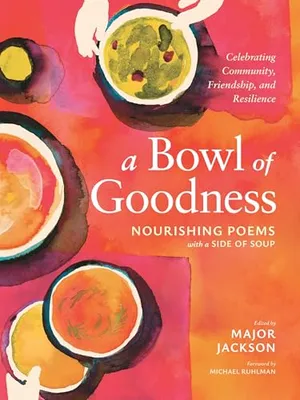
A Bowl of Goodness edited by Major Jackson
In introducing the collection of poetry and recipes he has curated, Major Jackson, the director of creative writing at Vanderbilt University and an award-winning poet, makes the case that there’s an intrinsic parallel between poetry and food, specifically soup. “There is nourishing wisdom to be found there,” he says of them, collectively. The 60-some featured poets include Nobel winner Pablo Neruda and a who’s-who list of U.S. poet laureates and Pulitzer winners, such as Mary Oliver, Joy Harjo and Rita Dove. Some of the poems have abstract recipes built in. (You could probably try to cook along to Bill Holm’s poem called “Bread Soup: An Old Icelandic Recipe,” but I don’t think he intended that.) Other times, a poem mentions a soup, and Jackson follows with a traditional recipe for it.
One thing to make: Laksa
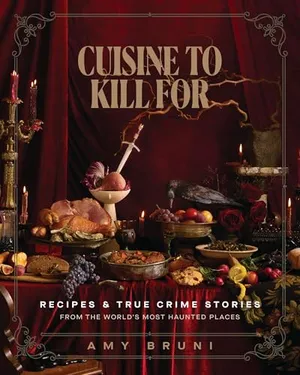
Cuisine to Kill For by Amy Bruni
Basing a cookbook on the specialty or personal preferences of the author is a time-tested avenue. But what if instead of seeking inspiration from the perfect fig at a market in Florence, you found it in a series of murders that started at the Fairmont Empress Hotel in Victoria, British Columbia? Amy Bruni, a paranormal investigator and TV host, follows up her 2024 book Food to Die For with this collection of recipes that are inspired by notorious places and events. It turns out, for example, the Fairmont Empress also serves an elderflower rose gin trifle … which you can now make at home! (And without any of the associated hauntings.) Some are directly related to the crimes they represent, while others evoke them. The stories are an engaging alternative to an evening of true-crime shows. The photography is dark and macabre while still having allure, and the recipes are legit, never relying on puns or euphemism in carrying their weight of the story.
One thing to make: Poe Family Eggnog
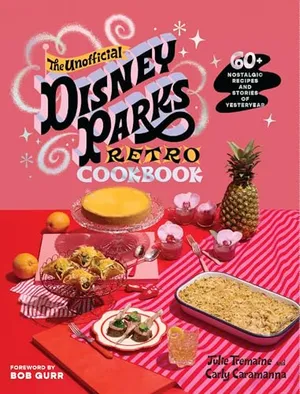
The Unofficial Disney Parks Retro Cookbook by Julie Tremaine and Carly Caramanna
Food was built into the concept of Disney parks from the beginning, and its importance to the vacation experience has only grown over the ensuing decades. But given the ever-evolving nature of the California or Florida resorts, if your memories include something you ate (mine is the Navajo lasagna from Epcot’s Land Grille Room circa 1990), chances are you can’t go back to have it again. Here, the authors have dug up recipes for more than 60 retro favorites, each with an essay telling the story of the bygone resort location where the dish was available. Alas, no Navajo lasagna, but plenty of nostalgia to nosh here.
One thing to make: Cheeseburger Mac Handwich

A Note to our Readers
Smithsonian magazine participates in affiliate link advertising programs. If you purchase an item through these links, we receive a commission.