
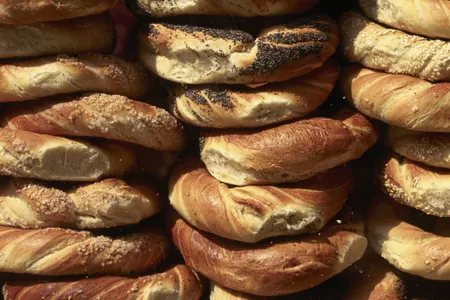
Jewish Food Is Making a Comeback in Poland
Bagels, knishes, bialys and more are popping up in bakeries as the country reckons with historical trauma
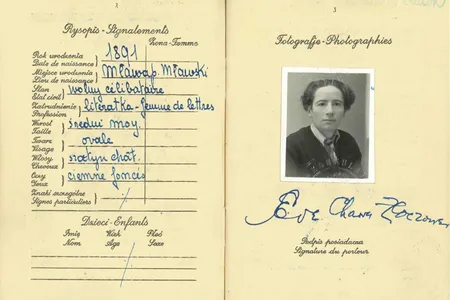
Eve Adams, an immigrant and the proprietor of a 1920s lesbian tearoom, was imprisoned for disorderly conduct and obscenity, then sent back to Europe, where she became a target of the Holocaust
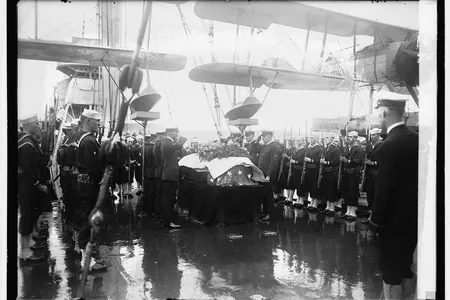
The July 1924 killing of Robert Imbrie fueled the rise of the Pahlavi dynasty and set the stage for both a CIA-backed 1953 coup and the 1979 Iran hostage crisis
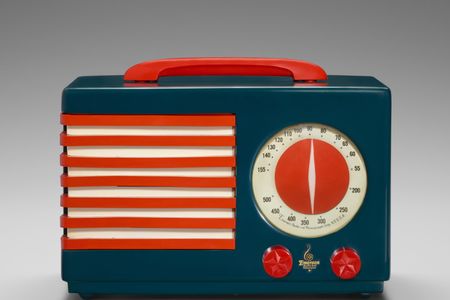
Explore Art and Design in 1940s America Through These 250 Paintings, Photos, Posters and Artifacts
A new exhibition at the Philadelphia Museum of Art examines how artistic expression evolved throughout the war years and the postwar period
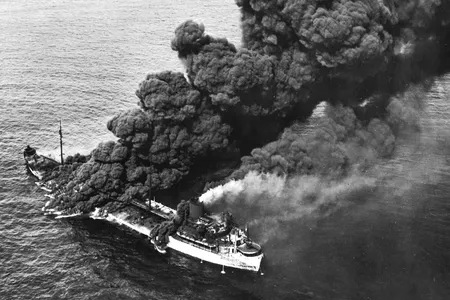
Between 1942 and 1943, German submarines sank 56 Allied ships in the region and damaged another 14, losing just one of their own in the process
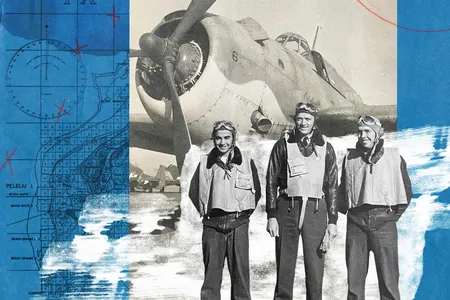
The Stunning Search for the Remains of Fallen WWII Airmen
After three crewmen were swallowed up by the Pacific at the end of World War II, a modern-day rescue effort went to find them
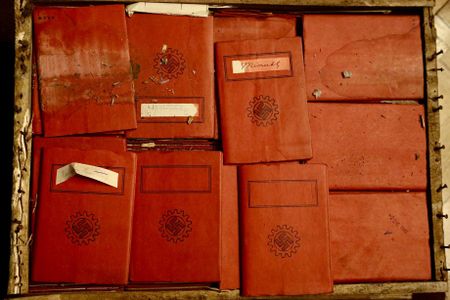
Boxes Full of Nazi Propaganda Discovered in the Basement of Argentina’s Supreme Court
Workers found crates packed with swastika-covered notebooks, postcards and photographs while preparing to move the court’s archives to a new museum
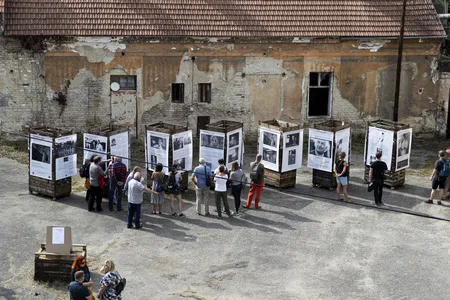
The Czech Factory Where Oskar Schindler Saved 1,200 Jews Is Now a Museum in Their Honor
Under the stewardship of the Jewish family that owned the factory before World War II, the museum is reclaiming the dilapidated site and its dark history
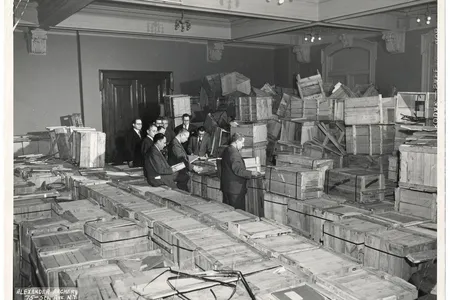
The founding of a research institute 100 years ago has helped to provide insight on Yiddish culture in the United States and around the world
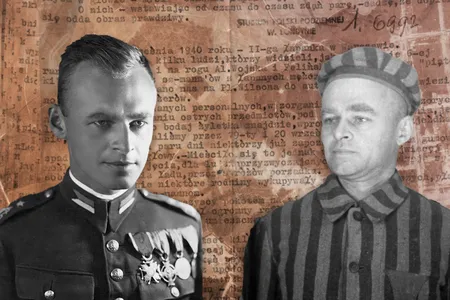
Witold Pilecki smuggled reports about Germany’s war crimes to the Allies, urging them to stop the atrocities at Auschwitz by bombing the camp. But his warnings went unheeded

Europe will commemorate the 80th anniversary of Nazi Germany’s surrender on May 8. But thousands of locals remain committed to preserving year-round the memories of those killed while fighting to liberate the continent
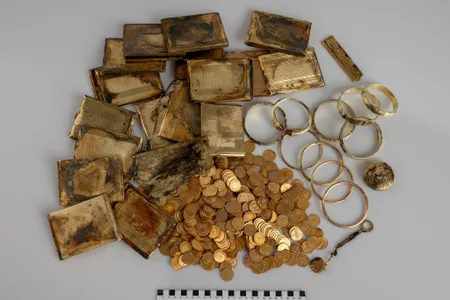
Hikers Stumble Upon Gold Coins and Treasures That Could Be Worth $340,000
After discovering the 15-pound cache while hiking in the Czech Republic, the two men handed it over to a local museum
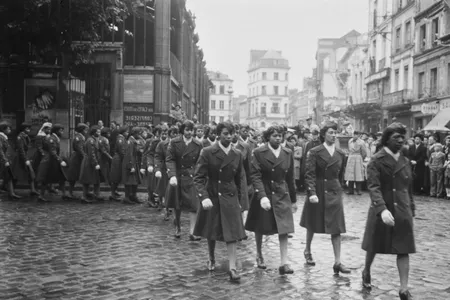
The Six Triple Eight cleared a years-long backlog of mail in just three months. Eighty years later, the unit is finally getting the recognition it deserves
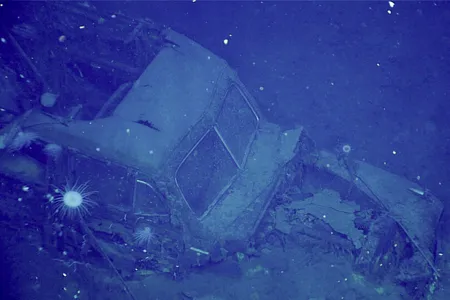
Why Was a 1940s Car Discovered in the Wreck of an American Naval Ship That Sank During World War II?
The mysterious automobile was found in a hangar on the USS “Yorktown,” which has been resting on the bottom of the Pacific Ocean since 1942
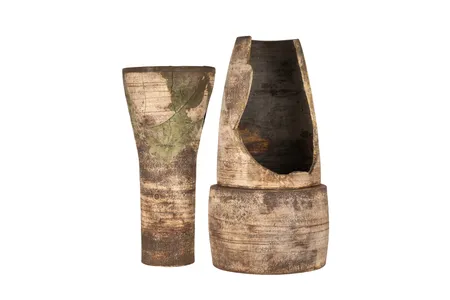
Why Did This Broken Ceramic Pot Sell for More Than $60,000 at Auction?
Discovered in pieces in a backyard garden in London, the vessel turned out to be the work of Hans Coper, one of Britain’s most influential potters

A Young Sailor’s Remains Return Home 84 Years After He Was Killed at Pearl Harbor
Neil Frye was 20 when Japan launched its surprise attack on December 7, 1941. He has been laid to rest with full military honors in his home state of North Carolina
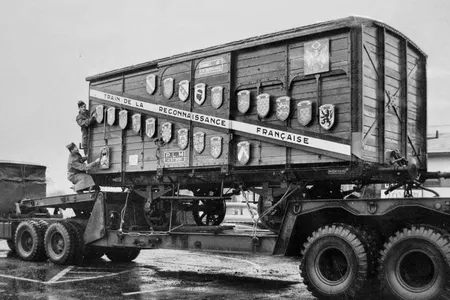
Long-Lost ‘Merci Train’ Given to New Jersey After World War II Has Been Found
To thank America for its support during the war, France sent a boxcar stuffed with gifts to each state. But in the late 1950s, New Jersey’s disappeared without a trace
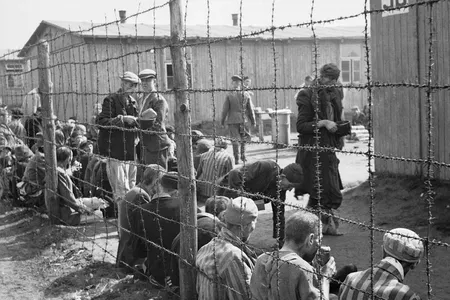
How Bergen-Belsen, Where Anne Frank Died, Was Different From Every Other Nazi Concentration Camp
A new exhibition at the Wiener Holocaust Library in London chronicles the German camp complex’s history, from its origins housing prisoners of war to its afterlife holding displaced persons
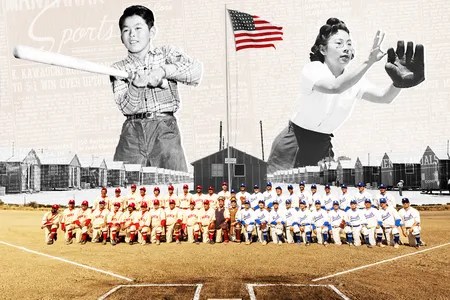
A Field of Dreams Built in an Unlikely Place: A Japanese American Internment Camp
A baseball diamond buried long ago at Manzanar has been rebuilt to honor the Americans who once played the sport there

The British government claimed that eating carrots helped its fighter pilots shoot down German planes at night. In truth, the Royal Air Force relied on top-secret radar
Page 6 of 48