
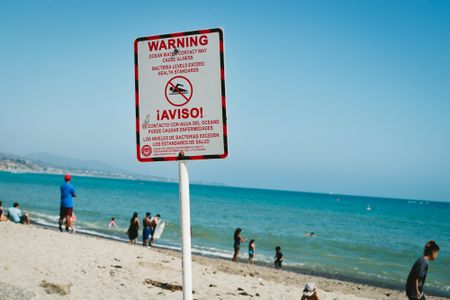
America’s Cleanest—And Most Polluted—Beaches
Before you plan a trip to the sand this summer, check out this list of the best and worst beaches, based on water quality
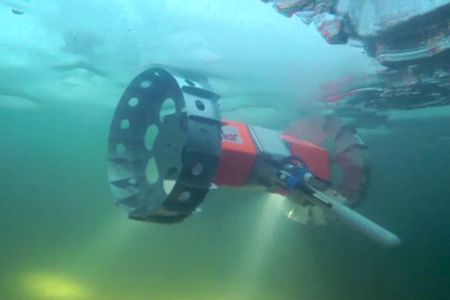
This Rover Drives Under Ice And Could Explore Extraterrestrial Oceans
By driving on the underside of ice, this device can explore difficult-to-access waters on Earth, and possibly beyond.
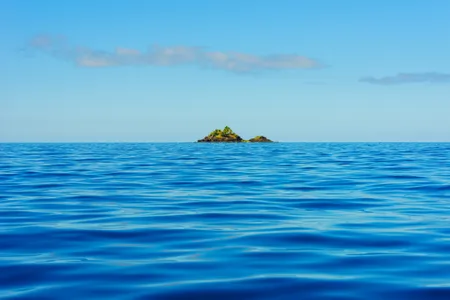
President Obama Could Create the World’s Largest Marine Sanctuary
The protected zone would make a large area in the Pacific Ocean off limits to fishing and other environmentally harmful human activities
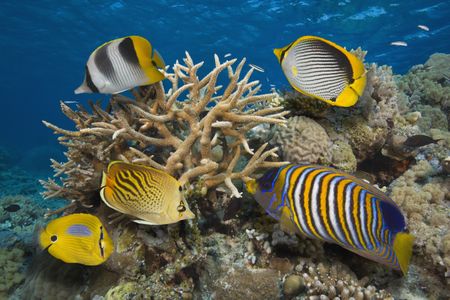
Great Barrier Reef Gets A Little Good News
New research shows that some corals may be able to adapt to faster warming than previously thought
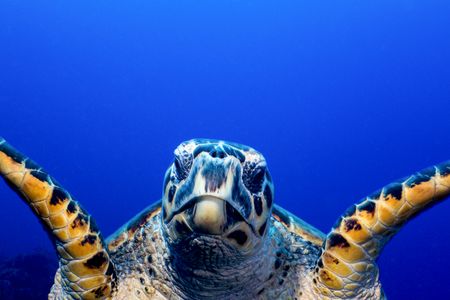
Why Do We Have Trouble Talking About Success In Ocean Conservation?
Despite what you’ve read in the news, there’s still hope for a future with a healthy ocean
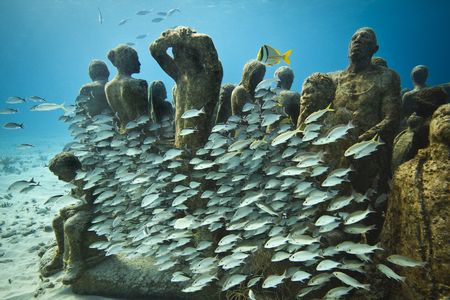
Can Underwater Art Save the Ocean’s Coral Reefs?
Artist Jason deCaires Taylor is creating sculptures to help promote reef growth
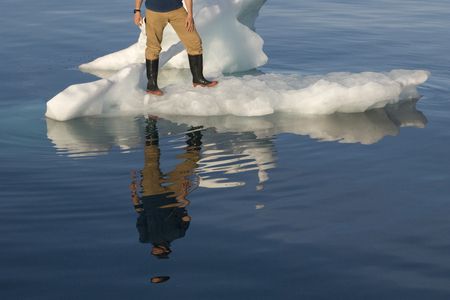
Jacques Cousteau’s Grandson Is Going to Live Underwater for 31 Days
Fabien Cousteau will honor his grandfather’s legacy for over a month
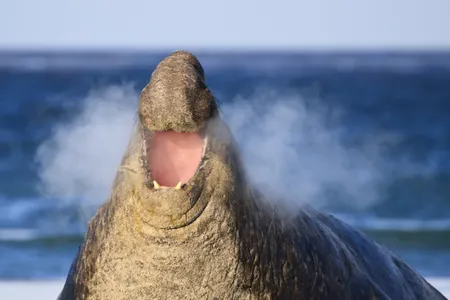
You Have Carbon Monoxide in Your Blood—But Not As Much As an Elephant Seal Does
Elephant seals have so much carbon monoxide in their blood, it’s as if they’re smoking 40 cigarettes a day
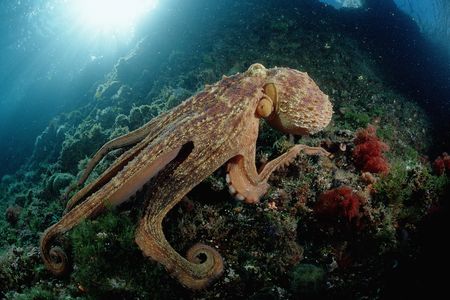
Why Don’t Octopus Suckers Stick To Their Own Skin?
A chemical excreted by octopus skin tells their severed arms, “Don’t grab me or eat me!”
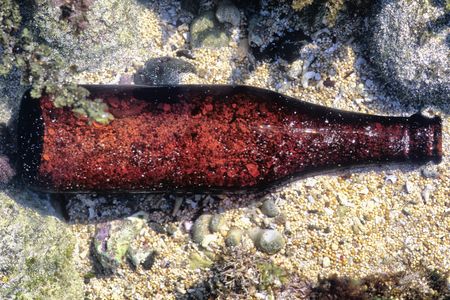
Your Garbage Is Polluting Even The Deep, Remote Reaches of the Ocean
Scientists have found plastic, glass and other trash littering the seafloor and collecting in canyons
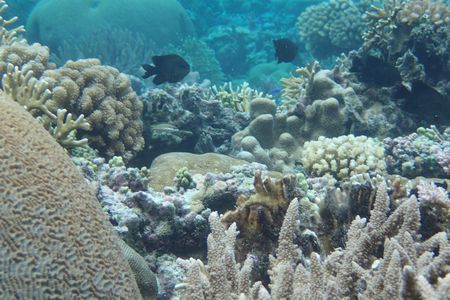
This Coral Has Shown It Can Weather Warmer Waters
Corals are not expected to do well with climate change. But the ability to adapt to warmer oceans could give them more time
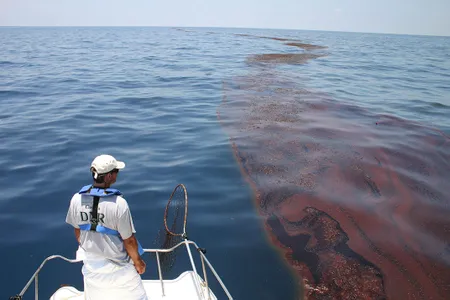
Breaking Down the Myths and Misconceptions About the Gulf Oil Spill
Does oil stick around in the ecosystem indefinitely? What was the deal with the deformed fish? Can anything bad that happens in the Gulf be blamed on oil?
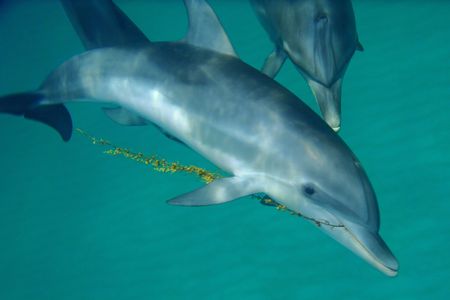
Checking the Claim: A Device That Translates Dolphin Sounds Into English
Researchers used new technology to interpret a dolphin noise they say translates loosely to “seaweed”
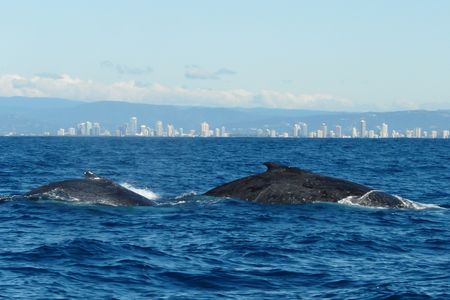
Thanks to New Shipping Guidelines, the Ocean Might Finally Become a Quieter Place
Noise from the shipping industry can stress and harm marine animals

These Delicate Images of Seaweed Were Captured Using a Flatbed Scanner
In a new book, photographer Josie Iselin highlights the exquisite colors and forms of kelp and other marine algae
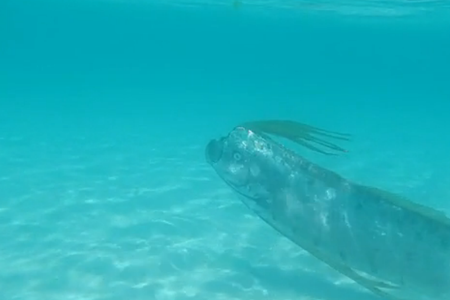
This Rare Footage Shows Two Live 15-Foot-Long Oarfish Swimming in the Ocean
Two very shy oarfish were seen swimming near the shoreline in Mexico
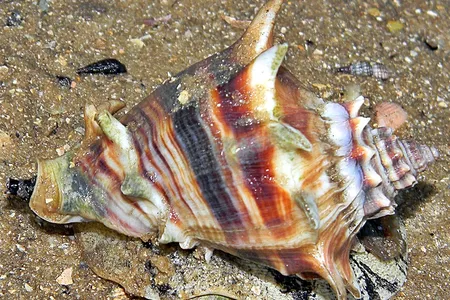
Conches Evolved To Be Smaller Because of Hungry Humans
Conches began maturing when they were smaller in order to breed before humans snatched them up
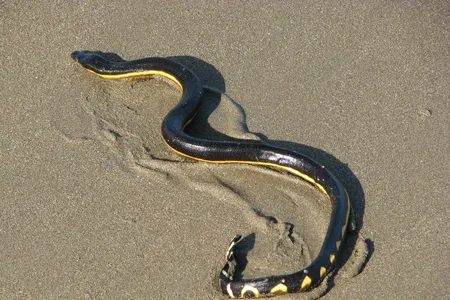
Some Sea Snakes Can Go Seven Months Without Drinking Water
To survive the dry season, yellow-bellied sea snakes severely dehydrate until the wet season brings freshwater for them to lap up from the ocean’s surface
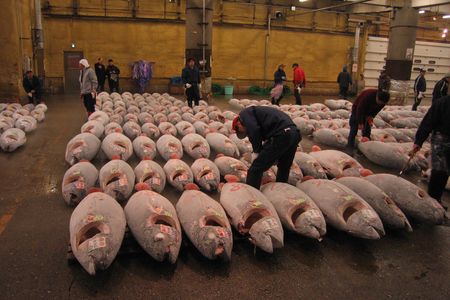
Japan Plans to Halve the Number of Young Bluefin Tuna It Catches
Sushi might get more expensive, but tuna populations need the break
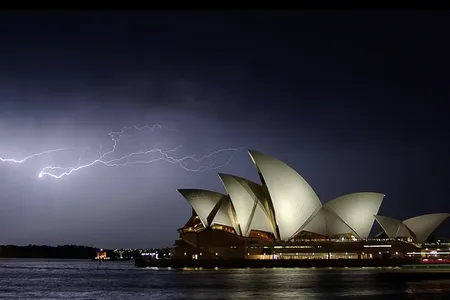
Sea Level Rise Might Drown a Fifth of All UNESCO World Heritage Sites
The Statue of Liberty and the Sydney Opera House are under threat
Page 78 of 89