
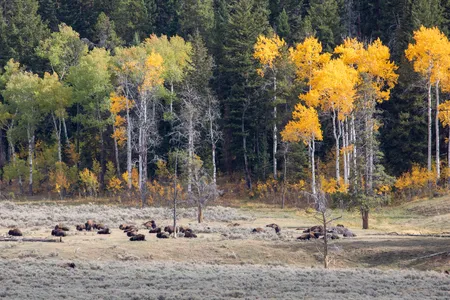
The apex predators, restored to the park in 1995, appear to be keeping the local population of plant-eating elk in check, which allows aspen saplings to grow tall and healthy
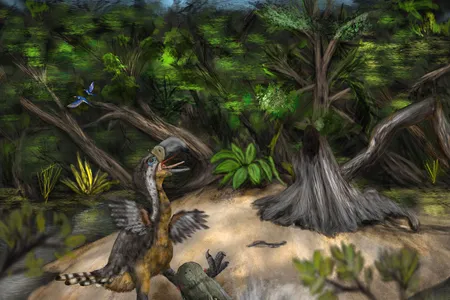
Even Apex Predators Like ‘Terror Birds’ Had Enemies, Research Suggests
Bite marks on a fossilized leg bone found in South America suggest a crocodile-like creature attacked a massive, meat-eating bird 12 million years ago

More Than 90 Percent of the World’s Fungal ‘Hotspots’ Are Not Protected, New Study Suggests
Mycorrhizal fungi play an essential role in climate regulation and ecosystem health, and researchers have used A.I. to predict the locations that host a high diversity of these underground organisms

Known as Aeneas, the tool was trained on an extensive dataset of Latin epigraphy. Experts hope it will help decipher segments of text that have been lost to history

Cancer DNA Can Be Detected in the Bloodstream Up to Three Years Before Diagnosis, Study Suggests
For a few individuals, scientists found genetic material from cancerous tumors in blood samples taken years before they were diagnosed through traditional methods

As the research participants thought about future scenarios, optimists displayed similar neural patterns, but pessimists showed more individualized brain activity

A clip recorded in Myanmar in March reveals a curved path of the fault slip, which can help scientists better understand the physics of such events
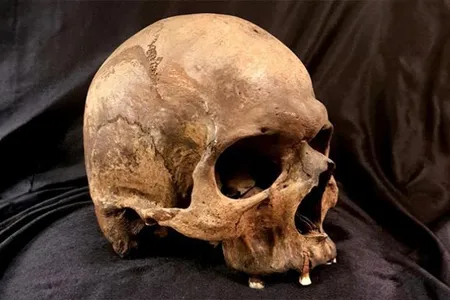
With Ancient DNA, Scientists Have Mapped 37,000 Years of Disease Across Europe and Asia
Zoonoses—diseases that spread from animals to humans—began to gain prevalence some 6,500 years ago with the rise of animal husbandry, a new study suggests
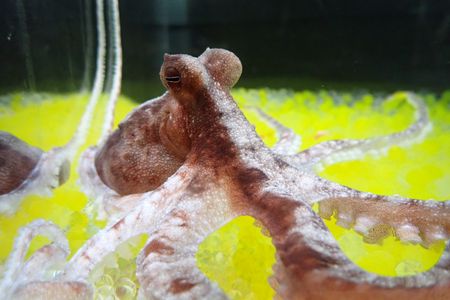
Octopuses Fall for the Rubber Hand Illusion, Just Like Humans, Pointing to a Sense of Body Ownership
The trick that plays with awareness of one’s own limb appeared to fool all six of the cephalopods tested in a series of experiments
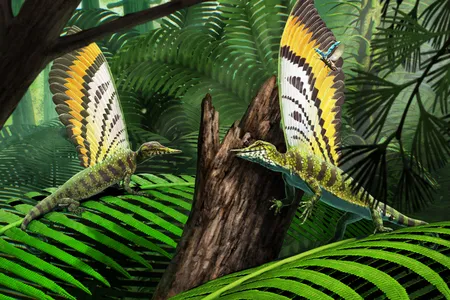
A 247-million-year-old fossil from a German natural history museum reveals the secrets of Mirasaura

The discovery, if confirmed, could explain Betelgeuse’s mysterious six-year oscillations in brightness
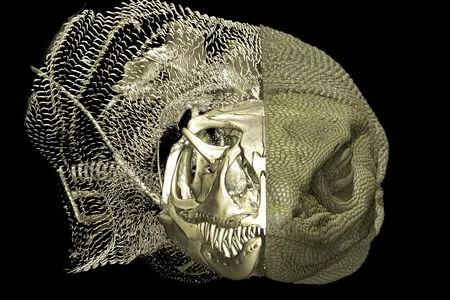
Called osteoderms, the chain mail-like plates may have helped some species adapt to Australia’s harsh environment
According to new CT scans and models, parts of the 140,000-year-old skull resemble those of modern humans, while the jaw appears to be more similar to those of our extinct relatives

How Do Dogs Watch TV? That Might Depend on Their Personalities, New Research Suggests
A survey-based study reveals how different dogs react to elements on TV, suggesting that personalized television enrichment could support animal welfare in shelters or at home
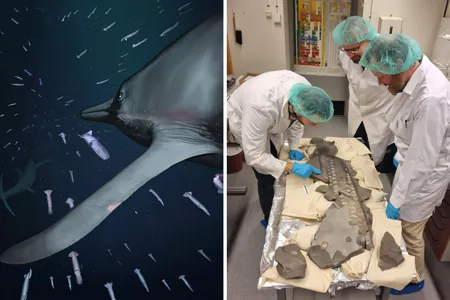
Fossil Flipper Reveals Ichthyosaurs Hunted in Lethal Silence With Unique Adaptations for Stealth
An analysis of a roughly 180-million-year-old fossil fin reveals serrations and flexibility that might have served to dampen sound as the predator swam
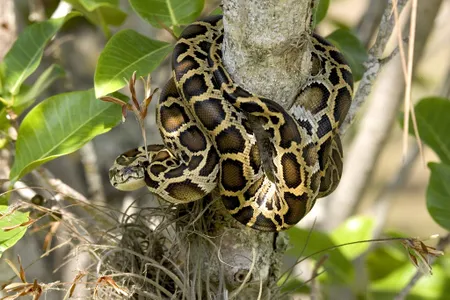
Researchers Discover the Trick That Allows Burmese Pythons to Digest the Bones of Their Prey
Special intestinal cells collect excess minerals into particles the snakes can poop out, according to a new study
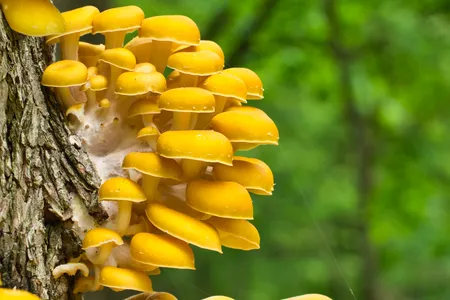
Researchers found that trees in Wisconsin that had become hosts to the eye-catching species hosted only half the fungal biodiversity of trees that had not been invaded

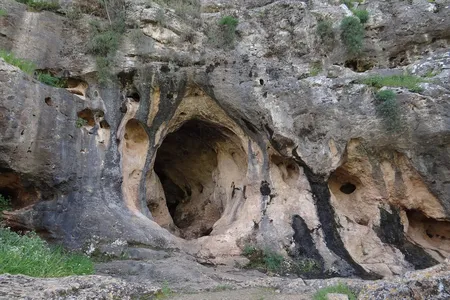
Cut Marks on Animal Bones Suggest Neanderthal Groups Had Their Own Unique Culinary Traditions
Neanderthals in two nearby caves used different techniques when butchering animal carcasses in what is now Israel, according to a new paper
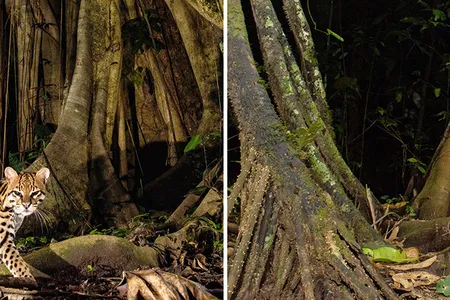
Researchers captured the footage by surprise, with cameras initially set up to record bird behavior

The medieval writer made puzzling references to a story called “The Song of Wade,” which has been lost to history. Only a few lines quoted—or perhaps misquoted—in a 12th-century sermon survive
Page 38 of 308