Subscribe to Smithsonian magazine and get a FREE tote.

NASA

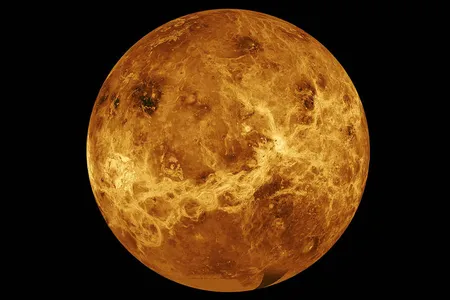
This will be the first NASA mission to Venus since 1990.

Future of Space Exploration

With Two New Missions, NASA Announces Return to Venus by 2030

The projects, DAVINCI+ and VERITAS, will explore the planet’s past and Earth’s similarities with its sister planet
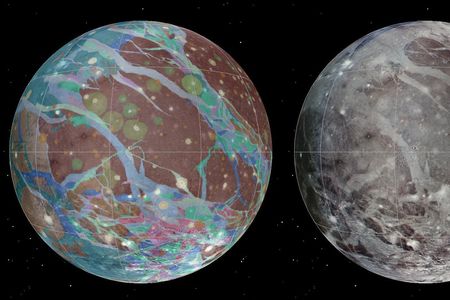
Streaked across Ganymede's surface are bright light-colored regions of ridges and grooves that overlap darker-colored terrains along the icy shell. The textured scar-like areas suggest that the moon's surface underwent extreme geologic changes over time.

NASA’s Juno Space Probe Zooms by Largest Moon in the Solar System

The flyby will be the closest any spacecraft has flown near Ganymede in over two decades
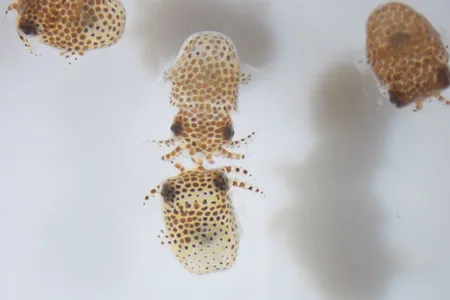
These baby bobtail squid going to the International Space Station for an experiment that examines whether space alters the symbiotic relationship between the squid and a bioluminescent bacterium that allows them to glow.

NASA Is Launching Tardigrades and Baby Squid Into Space

The experiments could help astronauts stay healthy and survive longer outside Earth’s atmosphere
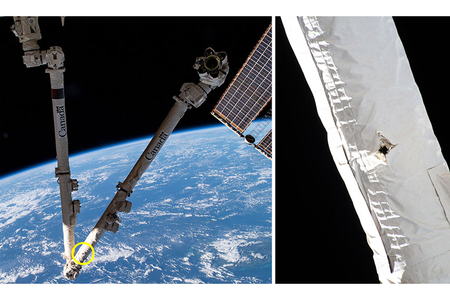
A tiny piece of orbiting debris punched a five-millimeter-wide hole in the robotic arm's insulation.

Space Junk Hit a Robotic Arm on the International Space Station

The arm, called Canadarm2, remains functional and will continue with its next mission
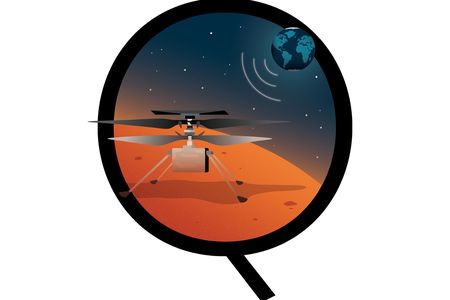
NASA's Ingenuity helicopter arrived on Mars on February 18, 2021.

Ask Smithsonian

Why Did NASA Test a Helicopter on Mars?

You’ve got question. We’ve got experts

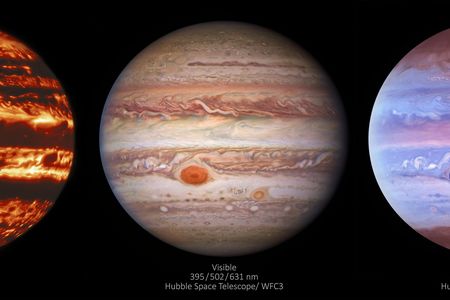
In the images, the Great Red Spot, Jupiter's superstorm, is seen in both visible and ultraviolet light, but it disappears into the background as a black splotch in the infrared image.

Peer Into Jupiter’s Gassy Atmosphere With These Stunning New Photos

The images taken at various wavelengths reveal details about the gas giant’s stormy atmosphere
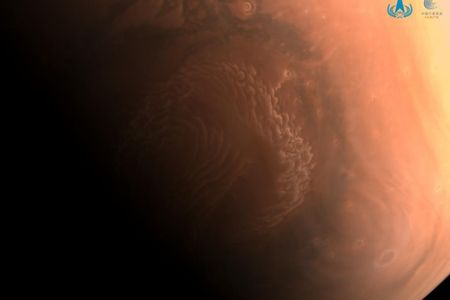
Mars as photographed by China’s Tianwen-1 probe after it entered the planet's orbit in February.

China’s Zhurong Rover Lands on Mars

The achievement cements China as a major player in modern space exploration and could soon deliver discoveries about Mars’ geology
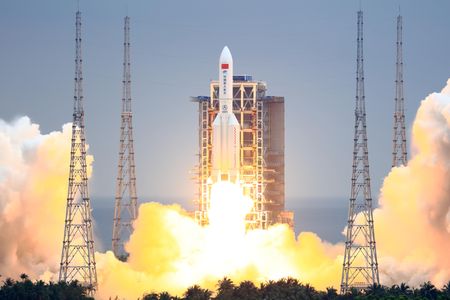
Objects such as satellites and rocket debris constantly fall out of orbit and burn up upon re-entry into Earth's atmosphere before they can hit the surface. Still, larger pieces like the Long March 5B rocket can survive re-entry and pose a threat to inhabited areas.

Debris From China’s Recent Rocket Launch Plunged Into the Indian Ocean

The rocket’s uncontrolled orbit was tracked for days and, upon re-entry, received criticism from NASA
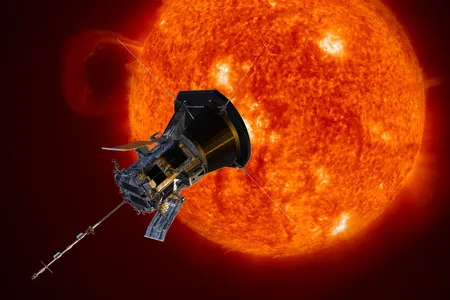
Using the detected radio wave, Collinson and his team calculated the density of Venus' ionosphere and compared it to measurements taken back in 1992 using the Pioneer Venus Orbiter.

NASA’s Parker Solar Probe Measures Radio Signal in Venus’ Upper Atmosphere

The measurements help researchers understand how the planet’s ionosphere began leaking
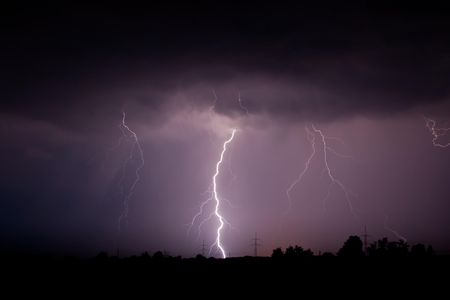
As  the NASA aircraft DC-8 flew into the storm and collected data after each lightning flash, the researchers found that the concentrations of hydroxyl and hydroperoxyl produced by visible lightning and other regions that were electrically charged soared up to thousands of parts per trillion.

Lightning May Wash Pollution Out of the Air With a Chemical Dubbed ‘Detergent of the Atmosphere’

The oxidizing chemicals hydroxyl and hydroperoxyl may clean the skies of harmful pollutants by reacting with them
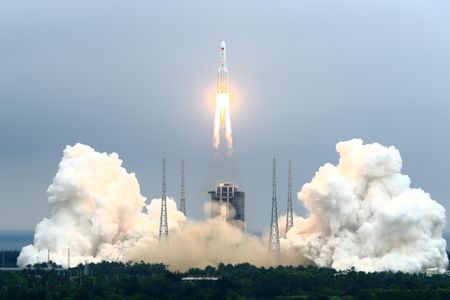
Designed to operate for more than a decade, the Chinese Space Station will have 14 refrigerator-sized experiment racks and 50 external docking points designed for experiments outside the station to test how materials react in space.

China Launches First Module of New Space Station Into Orbit

The module is the country’s largest spacecraft ever built and marks the first step in building their new space station by 2022
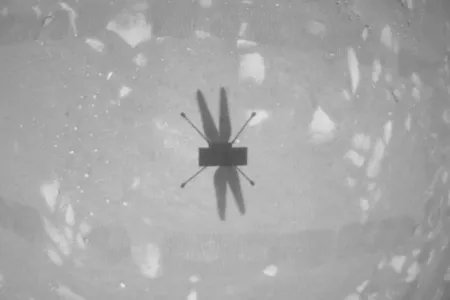
The Ingenuity Mars Helicopter’s shadow seen on the surface of Mars and captured by its own down-facing camera during its second test flight on April 22.

NASA’s Ingenuity Helicopter’s Next Mission? Mapping the Red Planet From Above

After successful test flights, NASA is expanding Ingenuity’s mission to further explore its abilities as an aerial scout
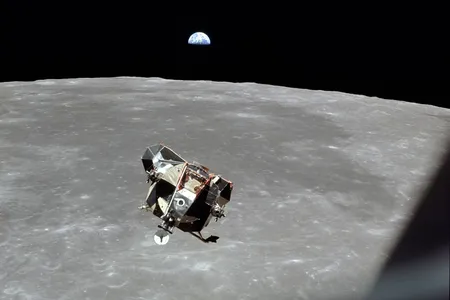
The lunar module Eagle, carrying Neil Armstrong and Buzz Aldrin, ascends back up to the command module Columbia with Michael Collins. It is often said that Michael Collins is the only human, living or dead, who is not in this photograph.

Future of Space Exploration

Apollo 11 Astronaut Michael Collins on the Past and Future of Space Exploration

On the occasion of the lunar landing’s 50th anniversary, we spoke to the former director of the National Air and Space Museum
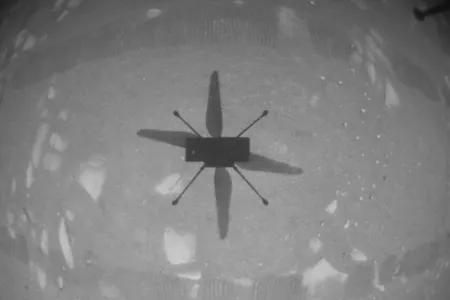
Soon after Ingenuity's lift-off and landing, the drone sent a black and white photo of its shadow during the flight back to engineers on Earth through the rover.

Exploring Mars

NASA’s Mars Helicopter Completes First Historic Test Flight on Another Planet

NASA’s Jet Propulsion Laboratory confirmed Ingenuity’s successful lift off into the Martian sky after receiving data from the Perseverance rover

Jessica U. Meir plays sax in the Cupola.

How Do Astronauts Spend Their Weekends in Space?

They take time off and practice their hobbies, though that wasn’t always the case
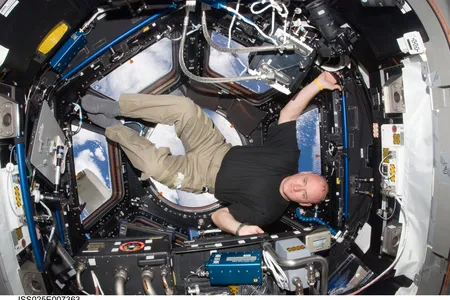
Astronaut Scott Kelly shown in October of 2010 in the Cupola of the International Space Station.

New Research

How Space Travel Shrank Astronaut Scott Kelly’s Heart

While in orbit, the adaptable muscle doesn’t need to combat gravity to pump blood
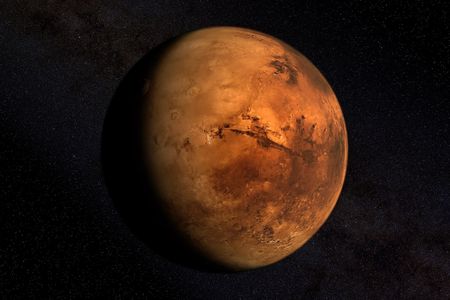
Life on Earth began to appear at least 3.5 billion years ago; by then, Mars had already lost much of its water into the crust or outer space.

New Research

Mars’ Missing Water Might Be Hiding in Its Minerals

New research estimates how much water was absorbed into the mineral makeup of Mars’ crust
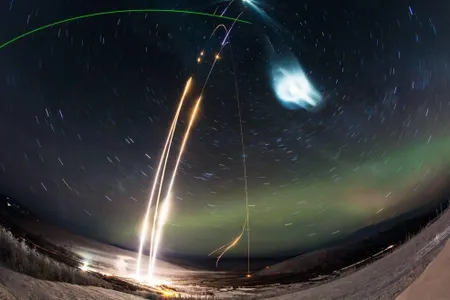
To investigate how these glowing clouds form, Richard Collins a space physicist, and his team in 2018 launched a suborbital rocket filled with water, known as NASA's Super Soaker Rocket, into the Alaskan sky to try and create an artificial polar mesospheric cloud.

To Study Night-Shining Clouds, NASA Used Its ‘Super Soaker’ Rocket to Make a Fake One

In summer months above the North and South Poles, glowing clouds occasionally form naturally at sunset under the right conditions
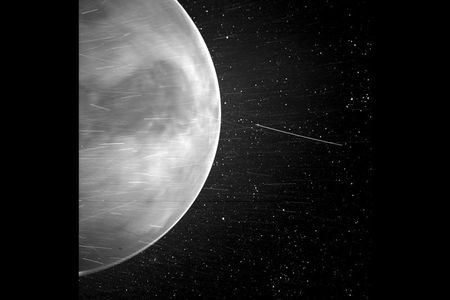
NASA's latest image of Venus taken by the Parker Solar Probe. Using Venus's gravity, the Parker Probe will circle our host star seven times while getting closer and closer over the course of seven years.

NASA’s Parker Solar Probe Snaps Luminous Photo of Venus

The image revealed unknown capabilities of the imaging instrument, WISPR, aboard the Parker Solar Probe and more insight into the planet’s atmosphere
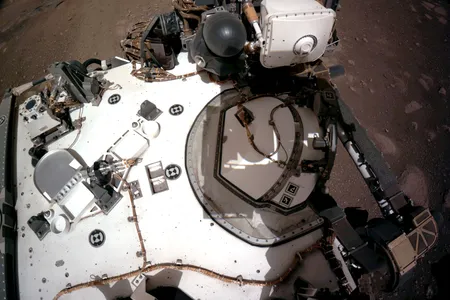
The Navigation Cameras on Perseverance capture an image of the rover's deck.

Exploring Mars

How to Keep Up With NASA’s Perseverance Rover as It Explores Mars

Follow along as the new rover sends incredible data and images back to Earth

Page 23 of 49