
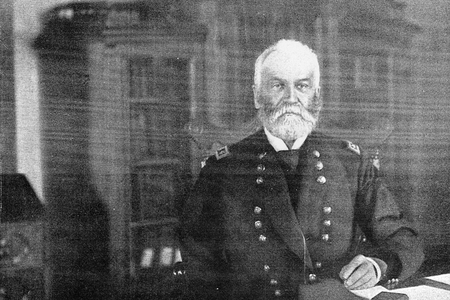
The Namesake of Howard University Spent Years Kicking Native Americans Off of Their Land
Oliver Otis Howard was a revered Civil War general—but his career had a dark postscript
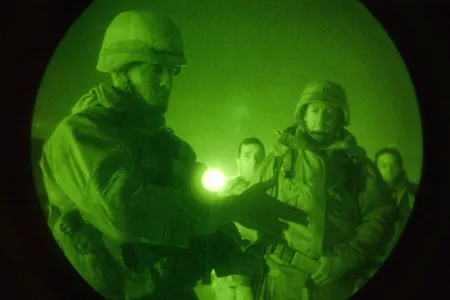
Seeing in the Dark: The History of Night Vision
In honor of Military Invention Day, a look at night vision technology throughout the years
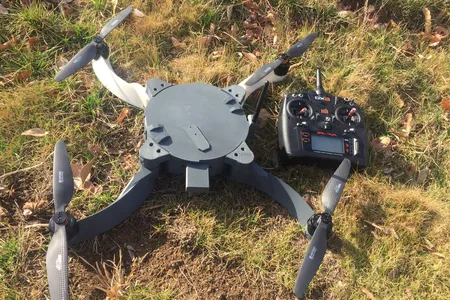
Giving Marines the Tools to Build Drones on the Battlefield
Through a program called Marine Makers, they’re learning how to build devices, and to be more innovative thinkers
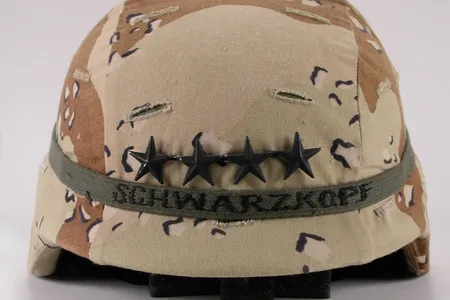
How the Military Helmet Evolved From a Hazard to a Bullet Shield
With the development of Kevlar and advanced industrial design, soldiers are now better protected from traumatic brain injury
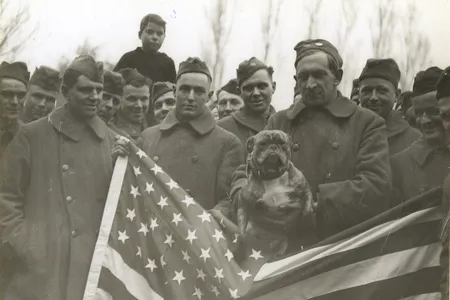
The Animals That Helped Win World War I
Newly digitized photos tell the story of animals that fought as soldiers during the Great War
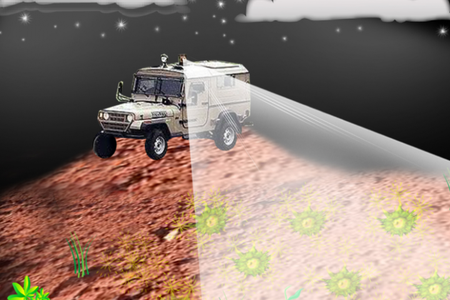
How Glowing Soil Can Help Find Land Mines
Using genetically engineered bacteria and lasers, Israeli scientists have devised a unique way to detect buried explosives
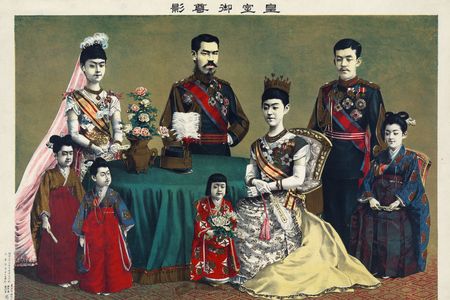
Japan Will Allow Its Schools to Use a Controversial 19th-Century Imperial Text
The educational edict was banned after World War II for serving military and nationalistic purposes

Why Is the Pentagon a Pentagon?
Planners battled to ensure the building kept its unique shape
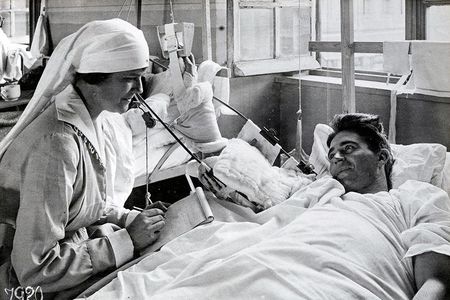
World War I Letters From Generals to Doughboys Voice the Sorrow of Fighting a War
An exhibition at the National Postal Museum displays a rare letter from General John Pershing
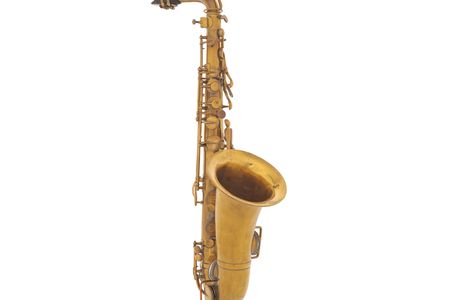
The First Saxophone Was Made of Wood
The instrument was invented by–you guessed it–Adolphe Sax
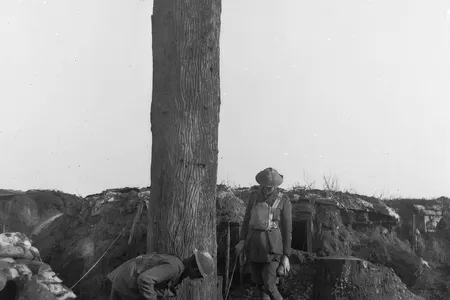
These Fake Trees Were Used as Spy Posts on the Front Lines of World War I
On the Western Front, meticulously crafted iron trees were used by both sides to conceal enemy forces
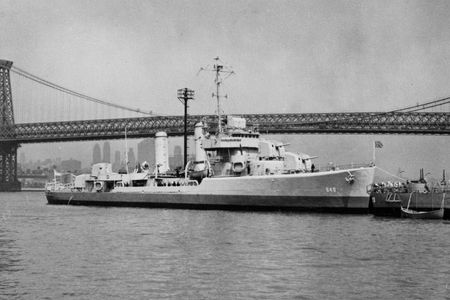
Pentagon Investigates Missing Sailors from the U.S.S. Turner
After the ship exploded in New York Harbor in 1944, 136 sailors were classified as missing, but new research suggests some were buried on Long Island
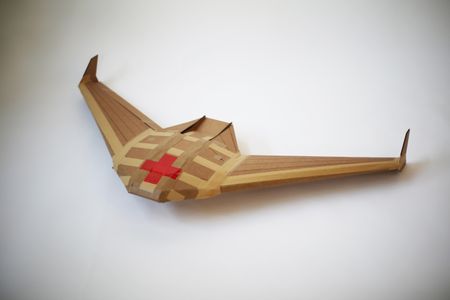
Why the Military Is Investing in Paper Airplanes
Disposable drones could save lives—and money

The Father of Canning Knew His Process Worked, But Not Why It Worked
Nicolas Appert was trying to win a hefty prize offered by the French army

Eight Places to Celebrate the Accomplishments of Great American Women
Women are grossly under-represented when it comes to recognition in public places, but here are a few places that pay tribute to their contributions
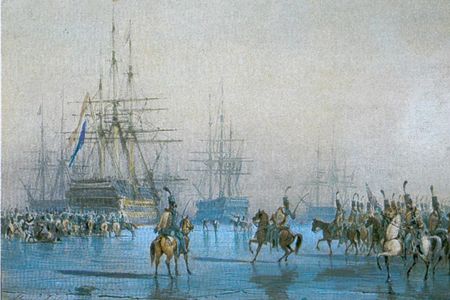
The Only Time in History When Men on Horseback Captured a Fleet of Ships
A Dutch fleet stuck in the ice. A group of French soldiers sent to capture it. What could go wrong?
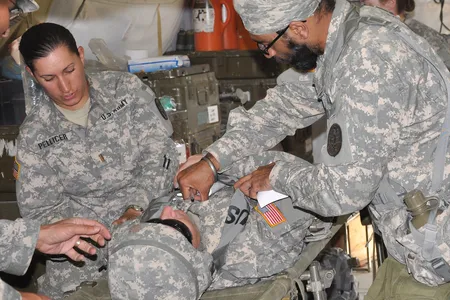
Muslim and Sikh Troops Can Now Wear Beards, Turbans and Headscarves
The U.S. Army just changed its grooming regulations to accommodate observant soldiers
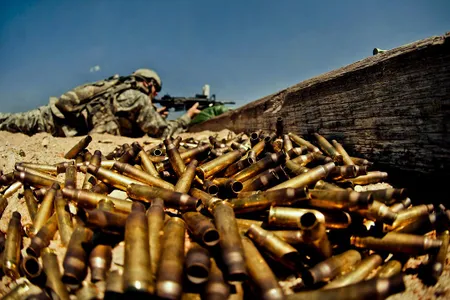
Department of Defense Calls for Biodegradable, Seed-Planting Ammo
These seed bombs could make Army training easier on the environment
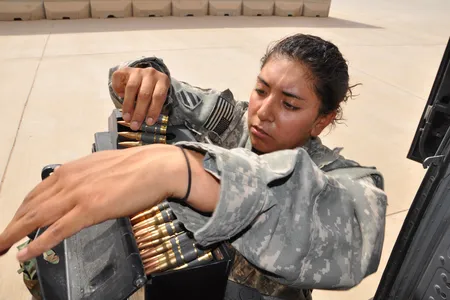
Women Won’t Register for the Draft After All
They’re gaining parity within the U.S. military—but women won’t yet be required to register for compulsory service in case of war
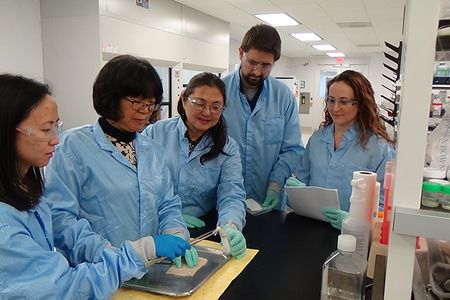
How Artificial Muscles Could Transform the Lives of Some Military Veterans
From pig muscle, scientists are developing an organic material that may help heal volumetric muscle loss
Page 15 of 20