
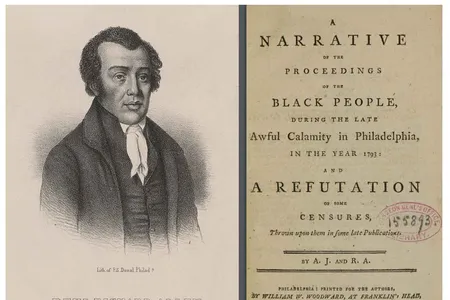
How the Politics of Race Played Out During the 1793 Yellow Fever Epidemic
Free blacks cared for the sick even as their lives were imperiled
FDA Approves Johnson & Johnson Vaccine, Another Valuable Tool Against Covid-19
New vaccines increase the total supply and meet the needs of different communities
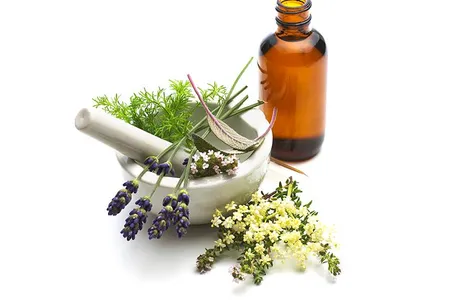
Part of Being a Domestic Goddess in 17th-Century Europe Was Making Medicines
Housewives’ essential role in health care is coming to light as more recipe books from the pre-Industrial Revolution era are digitized
The Fever That Struck New York
The front lines of a terrible epidemic, through the eyes of a young doctor profoundly touched by tragedy
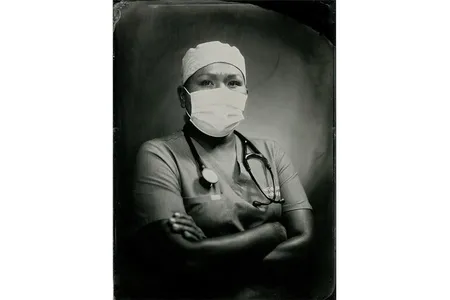
How Navajo Physicians Are Battling the Covid-19 Pandemic
Combining traditional medicine and modern science, these courageous doctors have risen to the challenge
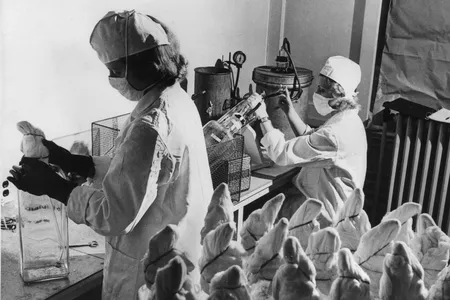
The Great Canadian Polio Vaccine Heist of 1959
A theft more than 60 years ago shows how sought-after scarce vaccine doses have been in past epidemics
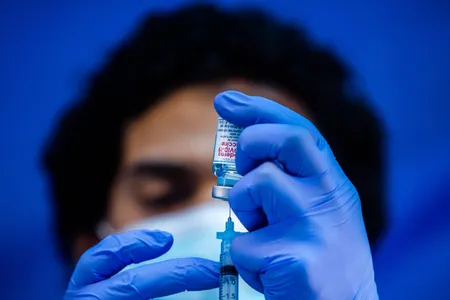
Why It’s Important to Still Wear a Mask After Covid-19 Vaccination
Vaccinated people should still wear masks around unvaccinated individuals to prevent transmission
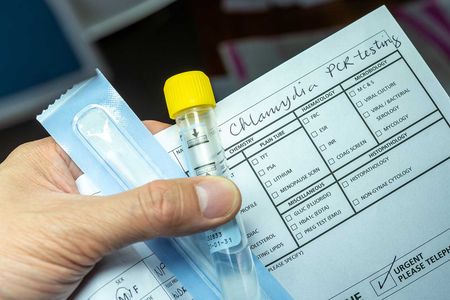
How Covid-19 Has Hurt the Effort to Track STDs
As gonorrhea, syphilis and chlamydia have hit their highest marks in decades, many STD contact tracers have shifted to work on the pandemic
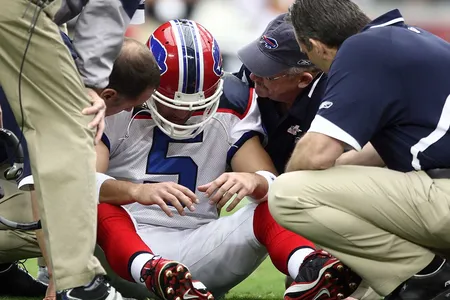
How a Damaged Drainage System May Lead to More Severe Concussions
Emerging research suggests that even mild hits to the head may damage tiny lymphatic vessels that clear toxic chemicals and cellular debris from the brain
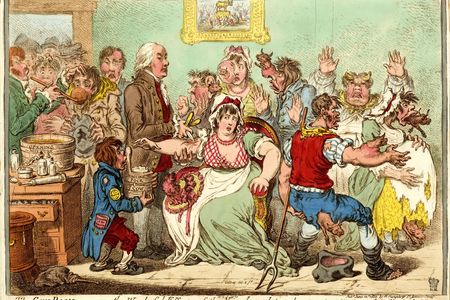
History Shows Americans Have Always Been Wary of Vaccines
Even so, many diseases have been tamed. Will Covid-19 be next?
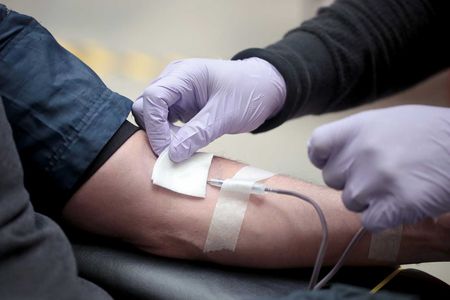
What Scientists Are Learning About Covid-19 Using the Nation’s Blood Supply
Labs and blood banks collect millions of blood samples each month, offering a distinctive source of data on the disease

Many Identical Twins Actually Have Slightly Different DNA
In a new study of over 300 pairs of identical twins, only 38 had perfectly identical DNA
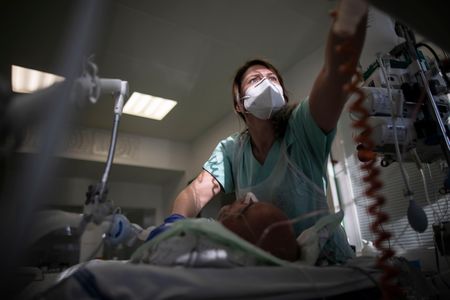
Why PTSD May Plague Many Hospitalized Covid-19 Survivors
Scientists warn about the likelihood of post-traumatic stress disorder for patients discharged from the intensive care unit
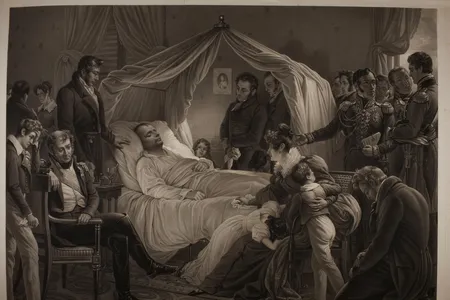
Rare Doctor’s Note Offers Glimpse Into Napoleon’s Agonized Final Years
The 1818 missive, which describes the French statesman’s failing health, recently sold at auction for $2,000
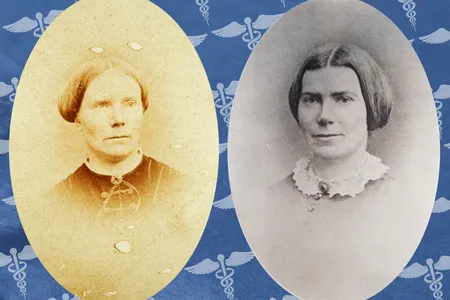
The Way Americans Remember the Blackwell Sisters Shortchanges Their Legacy
Elizabeth and Emily Blackwell deserve to have their incredible stories told in full

A Brief History of Human Challenge Trials
For more than two centuries, scientists have been intentionally infecting patients with dangerous diseases in order to learn more
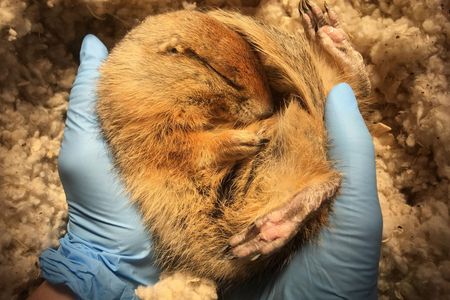
What Hibernating Squirrels Can Teach Astronauts About Preventing Muscle Loss
The Arctic ground squirrel recycles nutrients in its body, allowing it to slumber for up to eight months and wake up unscathed
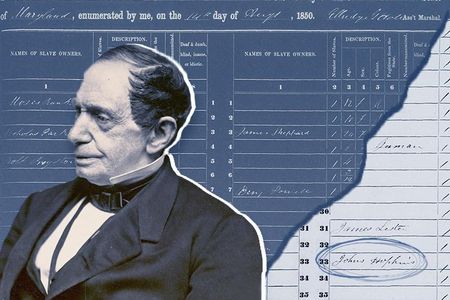
Long Heralded as an Abolitionist, Johns Hopkins Enslaved People, Records Show
The Baltimore university that bears his name announced new research that “shattered” perceptions of the Quaker entrepreneur
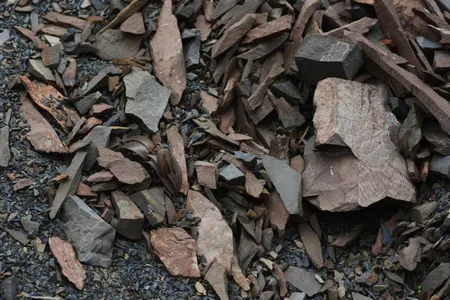
Medicinal Plant May Have Evolved Camouflage to Evade Humans
In places where people harvest the plant most aggressively, its color has changed to blend in with the rocky environment
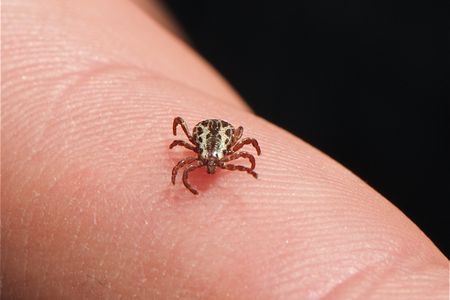
Higher Temperatures Make Some Ticks Pick Humans Over Dogs
The study’s results suggest certain tick-borne diseases could become even more prevalent as climate change heats up the planet
Page 29 of 66