
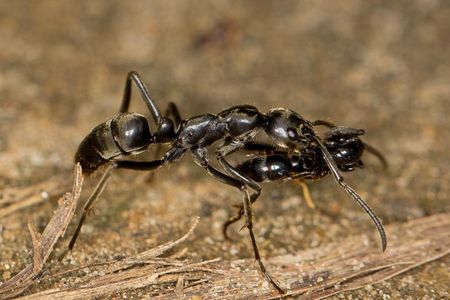
This Ant Species Rescues Wounded Comrades on the Battlefield
Though it may be counterintuitive, a new study suggests saving the injured benefits the colony more than leaving them for dead
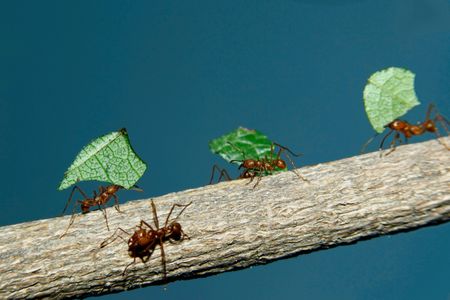
How Ants Became the World’s Best Fungus Farmers
Ancient climate change may have spurred a revolution in ant agriculture, Smithsonian researchers find
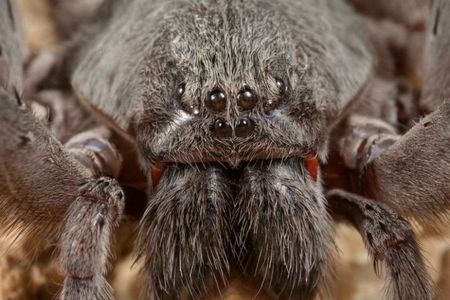
Huge New Spider Species Discovered in Mexican Cave
Califorctenus cacachilensis is the width of a softball and represents a new genus of arachnids
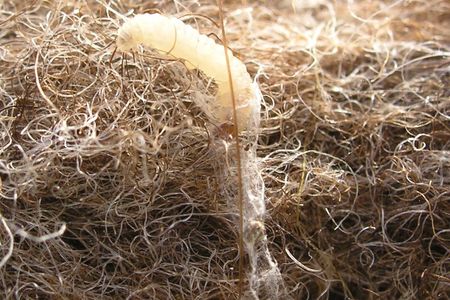
Moths Are Nibbling Away at England’s Heritage Sites
Let “Operation Clothes Moths” commence
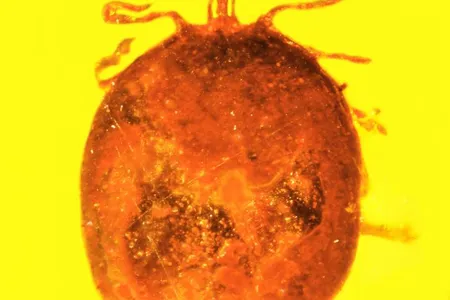
30-Million-Year-Old Tick Full of Monkey Blood Found in Ancient Amber
Scientists think the tick was plucked from a primate before being dropped in a puddle of sticky tree resin
Why Small Animals Are Huge for Conservation
The tiniest of creatures keep the fabric of our world together, but are often overlooked

This Couple Just Donated Their Collection of More Than a Million Insects
The O’Briens have carried on a decades-long love affair with the critters—and each other
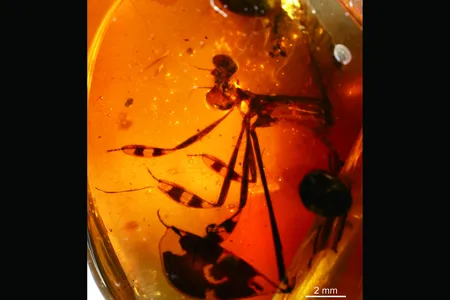
Flirtatious 100-Million-Year-Old Damselflies Found Frozen in Amber
Scientists are learning about how insects evolved from their ancient come-hither dance
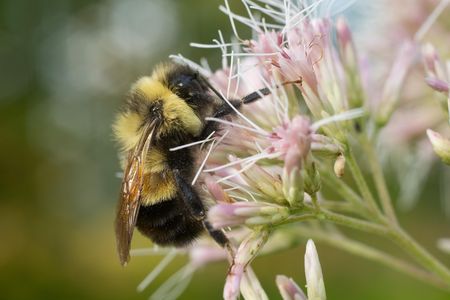
The Bee That Breaks Your Heart
Insects are hard-pressed to get protection as endangered species. Can one fuzzy anomaly beat the odds?
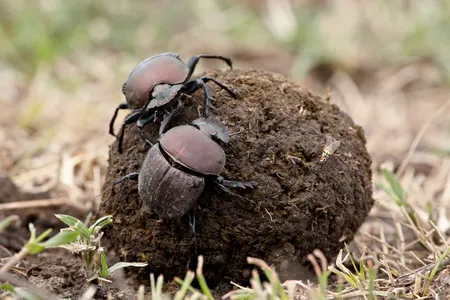
What Dung Beetles Can Teach Us About Sexual Difference
When it comes to sex appeal, it’s not all in your genes (it’s also in your proteins!)
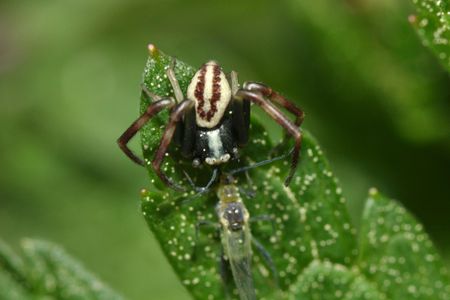
Spiders Eat Up to 800 Million Tons of Prey Each Year
For comparison, whales eat up to 500 million tons annually
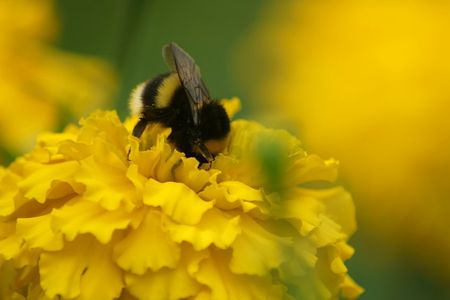
Bumblebees May Smell Each Other’s Footprints to Keep Track of Flowers
In a new study, bumblebees were able to discriminate the foot odor left behind by their nestmates, strange bees and themselves
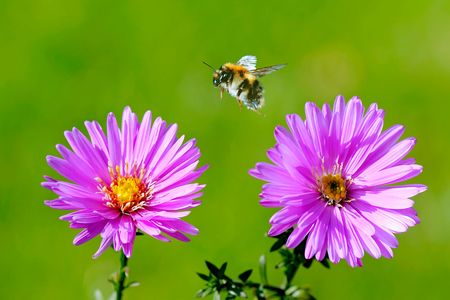
Bees Can Learn to Play “Soccer.” Score One for Insect Intelligence
Small as they are, bumblebee brains are surprisingly capable of mastering novel, complex tasks
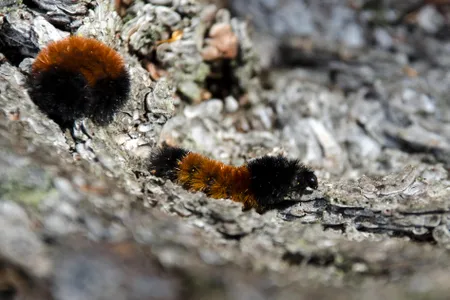
When winter comes, most bugs either migrate or time travel. But some get far more creative
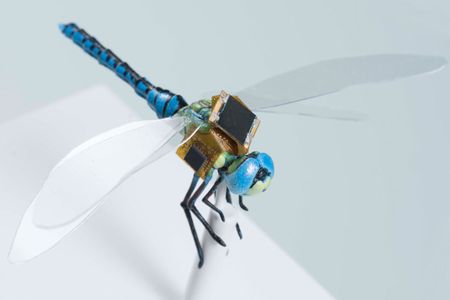
Turning Dragonflies Into Drones
The DragonflEye project equips the insects with solar-powered backpacks that control their flight
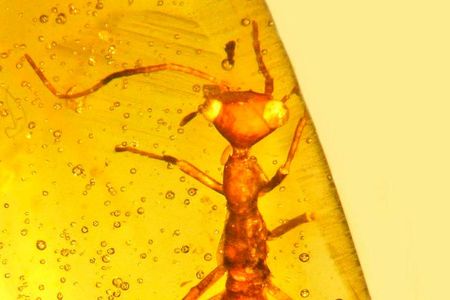
This 100-Million-Year-Old Insect Trapped in Amber Defines New Order
These now-extinct creatures are thought to have been able to secrete a chemical repellant and rotate their heads 180 degrees

How to Create an Insect Habitat in Your Garden
A Smithsonian gardener offers tips for sheltering the insects during the frosty winter months
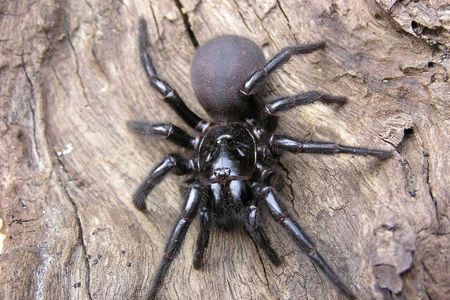
Australian Zoo Calls for Public Help Collecting One of the World’s Deadliest Spiders
With antivenin in short supply and funnel-web spider activity higher than average, Reptile Park needs a hand

To Fight Deadly Dengue Fever in Humans, Create Dengue-Resistant Mosquitoes
How manipulating the immune systems of mosquitoes can halt the spread of dengue virus
Page 28 of 38